I make a living convincing editors to let me write about stuff I think is cool or thought-provoking. The subjects I’ve covered, limited only by my editors’ skepticism, include dinosaur track-based detective work, creationist biology classes in Galapagos schools, and the connections between suffering and selflessness.
Elizabeth Svoboda
From this contributor

Mapping the futures of autistic children
Researchers can roughly project what autistic children's lives will look like years down the road. But how good is their crystal ball — and what are its benefits?
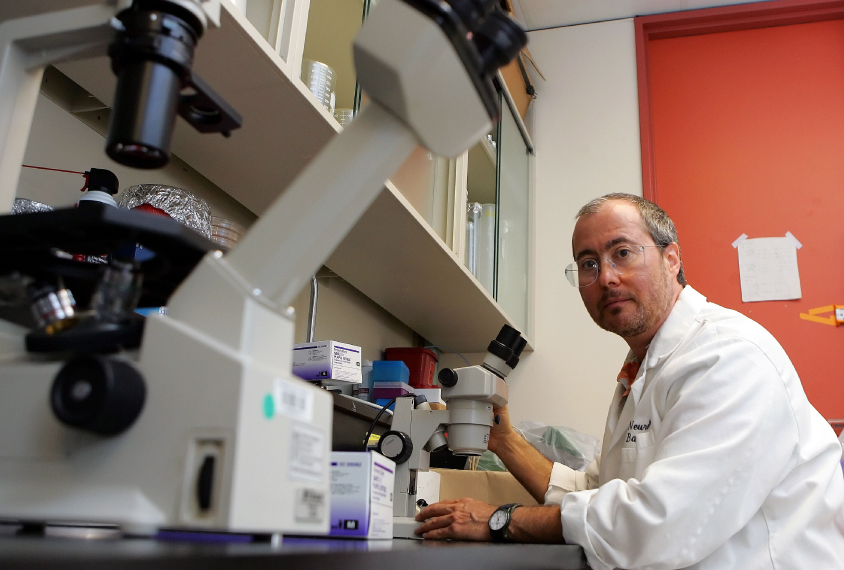
Ben Barres: A transgender scientist shares his story
Ben Barres agonized over whether to come out as male or commit suicide. In a posthumous memoir, he makes clear that coming out was the right choice.
Ben Barres: A transgender scientist shares his story
By
Elizabeth Svoboda, Undark
14 November 2018 | 6 min read
Explore more from The Transmitter

‘Friction-maxxing’ in school: Students should read primary literature, not AI summaries
Trainees need to learn how to identify a neuroscience paper’s major takeaways and integrate them into their understanding. This skill doesn’t come from outsourcing the work to large language models.
‘Friction-maxxing’ in school: Students should read primary literature, not AI summaries
Trainees need to learn how to identify a neuroscience paper’s major takeaways and integrate them into their understanding. This skill doesn’t come from outsourcing the work to large language models.
By
Nora Bradford
26 March 2026 | 5 min read
Head direction cells stably orient mice to outside world
The cells’ representations show little drift over time—unlike those of other navigation system neurons—and may provide a “rigid backbone” for more flexible sensory and cognitive responses.
Head direction cells stably orient mice to outside world
The cells’ representations show little drift over time—unlike those of other navigation system neurons—and may provide a “rigid backbone” for more flexible sensory and cognitive responses.
By
Angie Voyles Askham
25 March 2026 | 0 min watch
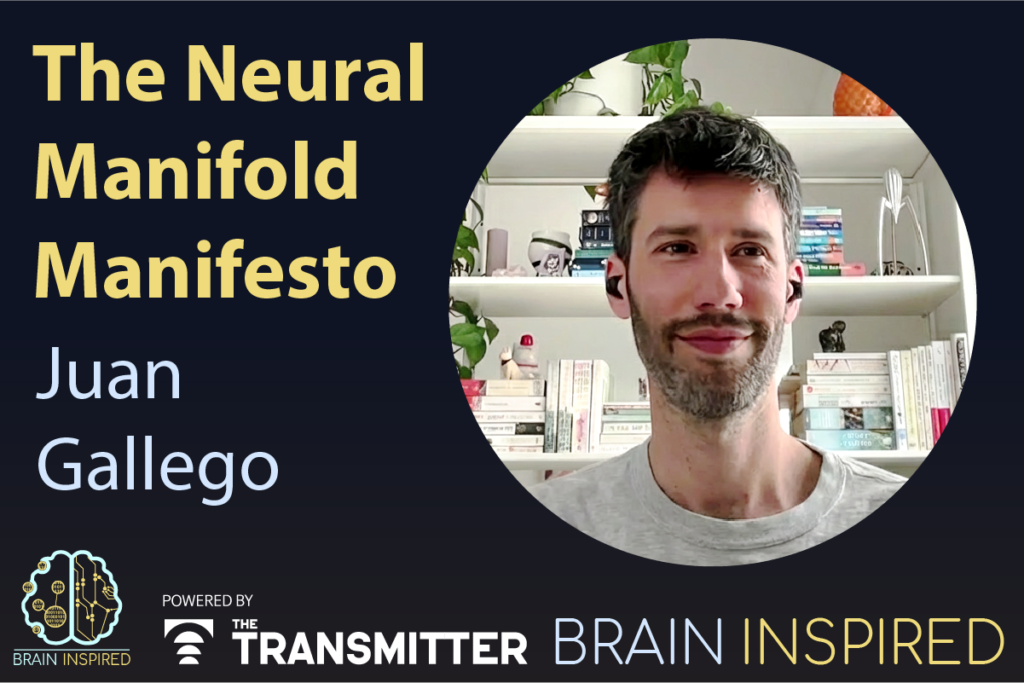
Juan Gallego discusses how manifolds are transforming our understanding of the coordination of neuronal population activity
A wealth of evidence supports the view that neural manifolds are real and useful, Gallego says, even if they may not completely solve the age-old mind-body problem.
Juan Gallego discusses how manifolds are transforming our understanding of the coordination of neuronal population activity
A wealth of evidence supports the view that neural manifolds are real and useful, Gallego says, even if they may not completely solve the age-old mind-body problem.
By
Paul Middlebrooks
25 March 2026 | 121 min listen