Eric M. Ullian is associate professor of neuroscience at the University of California, San Francisco School of Medicine, where he leads a lab in the ophthalmology department.
Erik M. Ullian
Associate professor
University of California, San Francisco
From this contributor
Targeting brain’s star-shaped cells may yield autism drugs
Astrocytes modulate most — if not all — aspects of neuronal development. We need new techniques to study these star-shaped brain cells and their potential role in autism and other conditions.
Targeting brain’s star-shaped cells may yield autism drugs
By
Robert Krencik, Erik M. Ullian
3 May 2016 | 6 min read
Explore more from The Transmitter
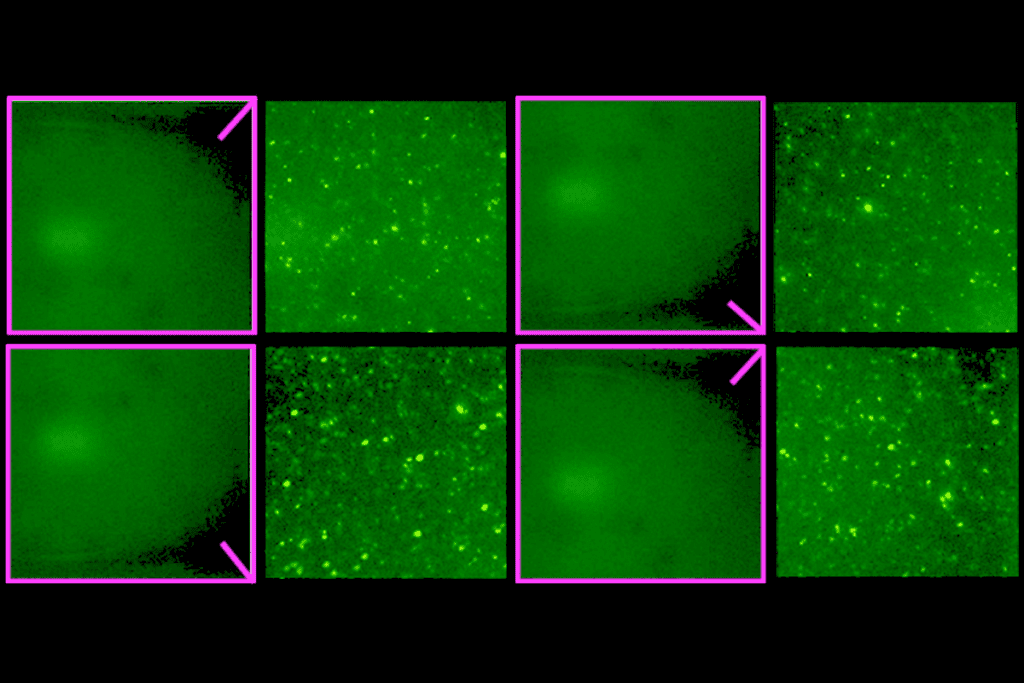
University probe leads to retraction of four neural tube studies
The University of Maryland conducted an internal investigation that identified image duplications and other data integrity issues in the studies, according to the retraction notices.
University probe leads to retraction of four neural tube studies
The University of Maryland conducted an internal investigation that identified image duplications and other data integrity issues in the studies, according to the retraction notices.
By
Claudia López Lloreda
16 October 2026 | 6 min read

Highly cited autism paper earns expression of concern over data duplications
The notice, published in Nature last week, also addressed an image duplication identified by a prominent research-integrity sleuth.
Highly cited autism paper earns expression of concern over data duplications
The notice, published in Nature last week, also addressed an image duplication identified by a prominent research-integrity sleuth.
By
Madeline Shaw
16 October 2026 | 4 min read
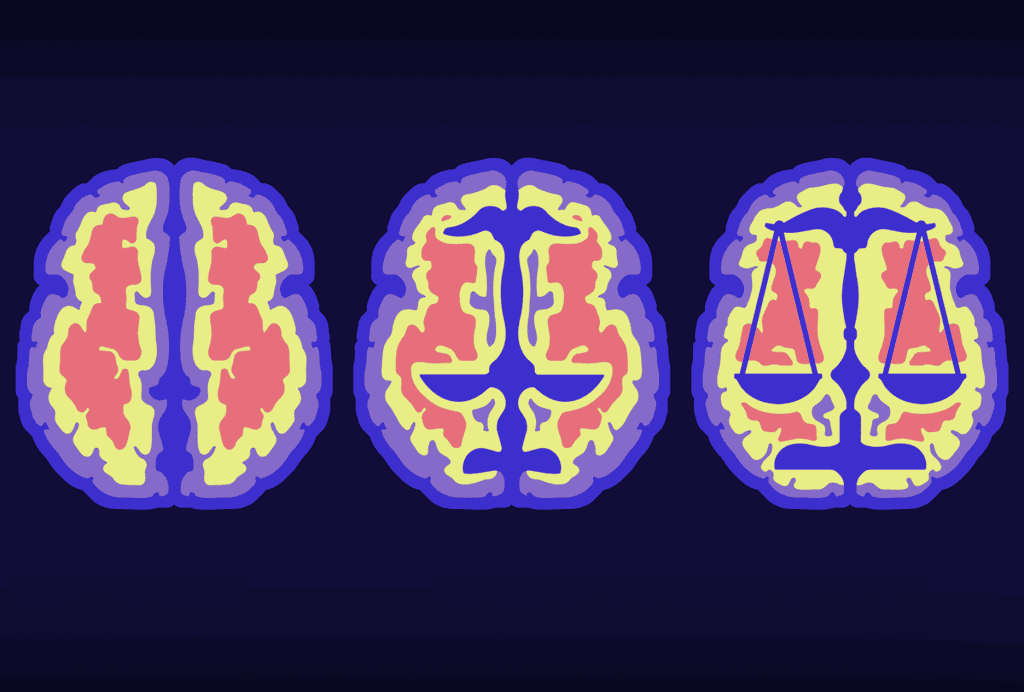
Govern neurodata by how it’s used, not where it’s from
New neurodata laws will shape how researchers gather, share and reuse brain data. A use-based governance protects basic researchers and those whose data are being used, without freezing science.
Govern neurodata by how it’s used, not where it’s from
New neurodata laws will shape how researchers gather, share and reuse brain data. A use-based governance protects basic researchers and those whose data are being used, without freezing science.
By
José M. Muñoz
16 October 2026 | 7 min read