Claudia López Lloreda and Natalia Mesa conducted their interviews in Spanish, which they then translated into English.
Leia este artigo em português.
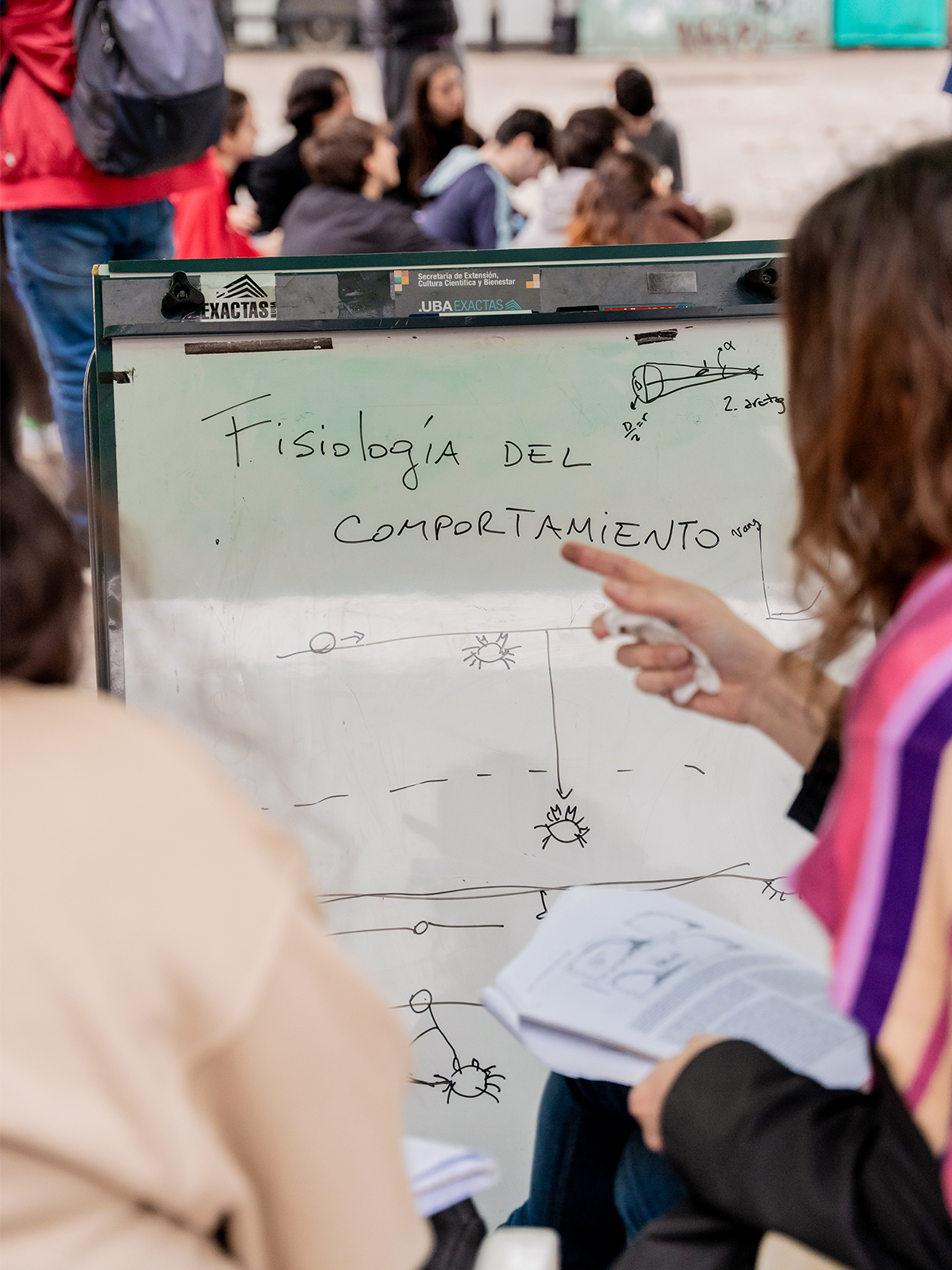
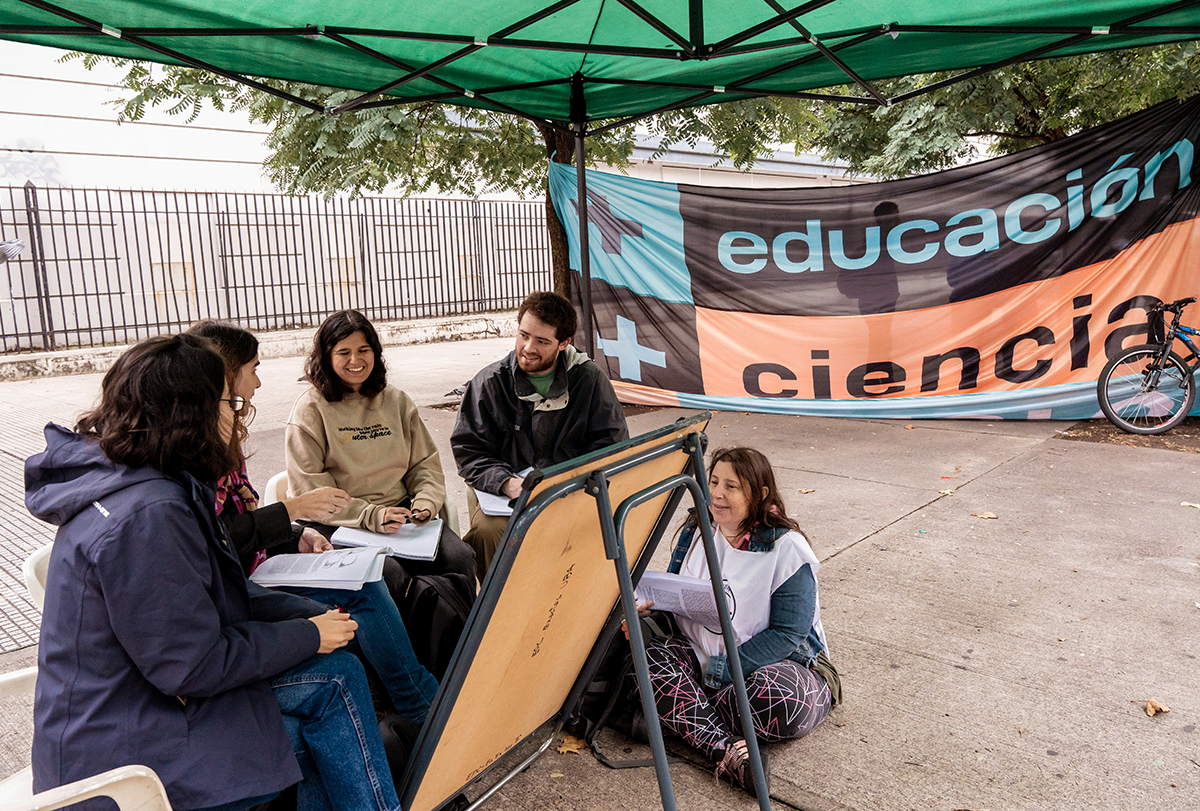
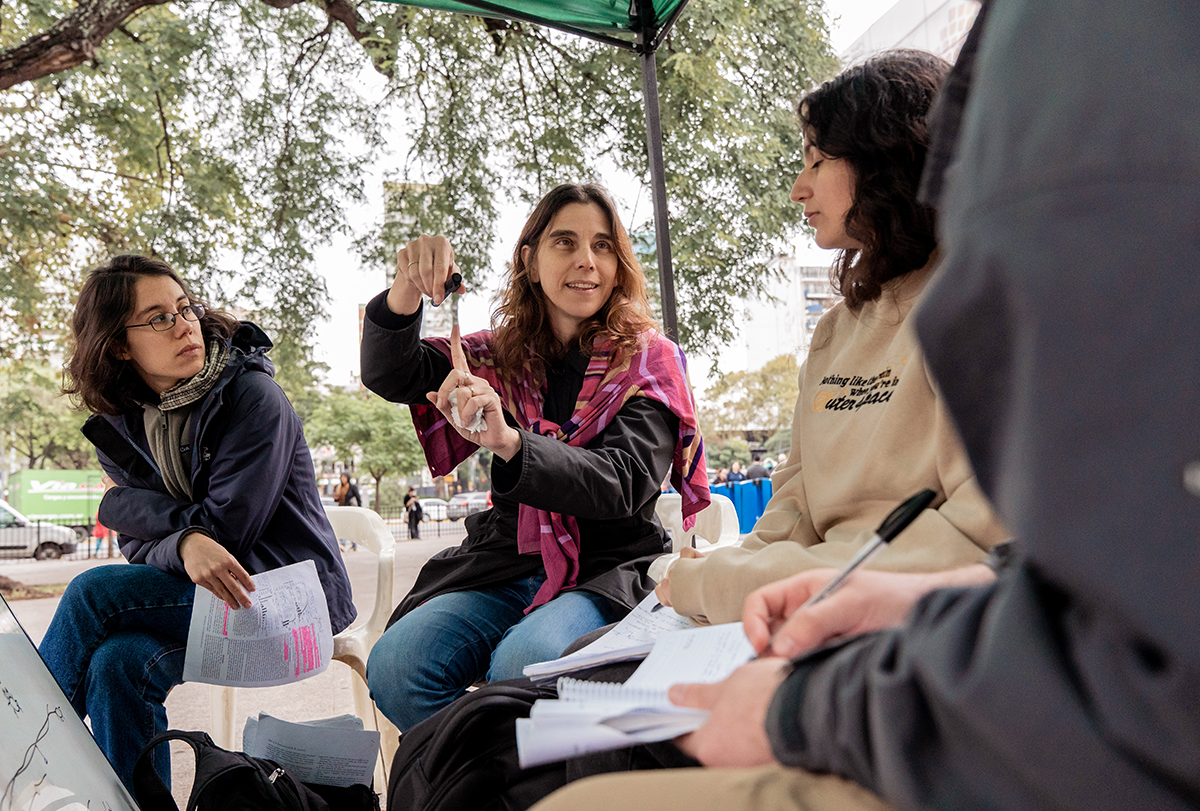
The scientific community in Argentina is taking to the streets—again. Some university faculty and staff nationwide went on a six-day strike on 27 April, and on 12 May they plan to march to the Casa Rosada, the headquarters of the president, in Buenos Aires’ Plaza de Mayo to protest deteriorating salaries and the federal government’s science funding cuts. It is set to be the fourth march in support of education, public universities and national science since April 2024.
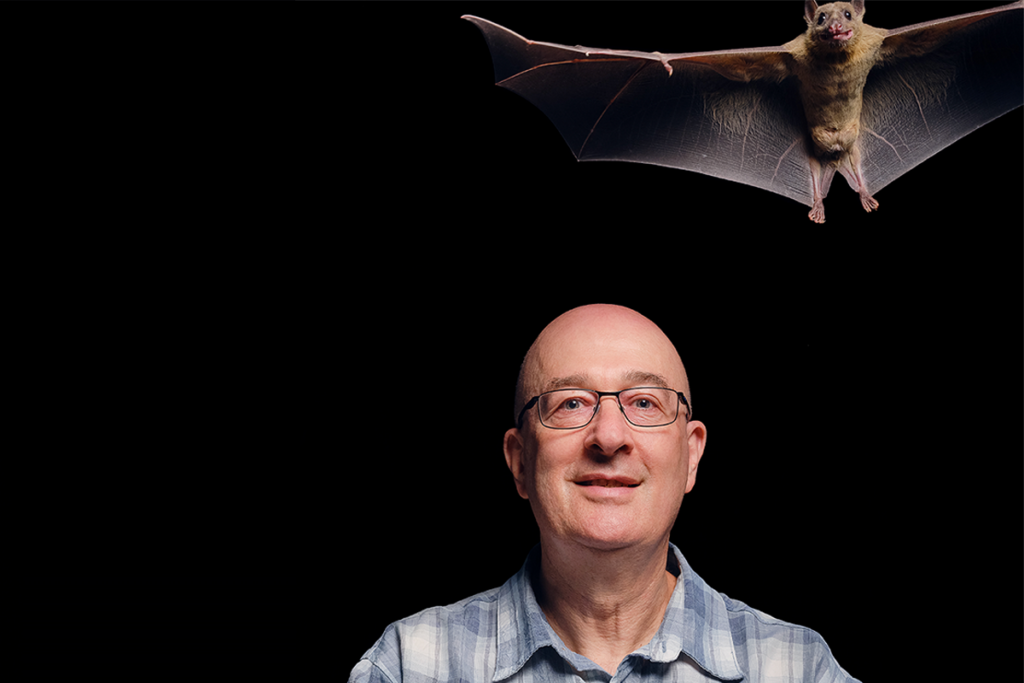
“We’re living under a regime that devalues science and culture and the scientific system,” says Daniel Tomsic, associate professor of neuroscience at the University of Buenos Aires, who participated in the strike and says he plans to attend the march. In his 30 years at the University of Buenos Aires, he adds, “I’ve never seen a crisis like this one.”
In late 2023, soon after taking office, Argentina president Javier Milei’s government began freezing funding for scientific research as part of a larger effort to reduce the country’s deficit and inflation. Since then, salaries for researchers and other staff at public universities have effectively dropped 30 to 40 percent, according to the Ibero-American Center for Research in Science, Technology and Innovation (CIICTI).