Helena Kudiabor is The Transmitter’s science reporting intern for Spring 2026. She completed her M.Sc. in science communication at Imperial College London and holds a B.A. in global health and social medicine from King’s College London. Before joining The Transmitter, she interned at Nature and participated in a mentoring program with Vox Media.

Helena Kudiabor
News reporting intern
The Transmitter
From this contributor
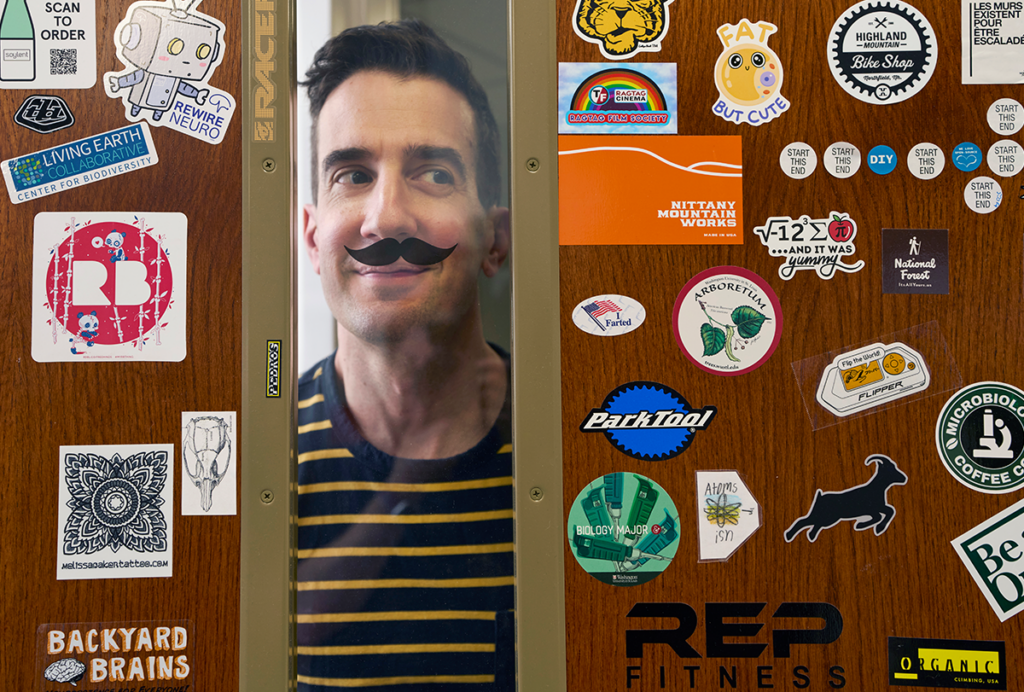
Computational neuroscientist Keith Hengen explains his work through illustrations
The images help him communicate the “big-picture ideas” behind the mathematical principles of neuronal networks.
Computational neuroscientist Keith Hengen explains his work through illustrations
By
Helena Kudiabor
7 April 2026 | 4 min read
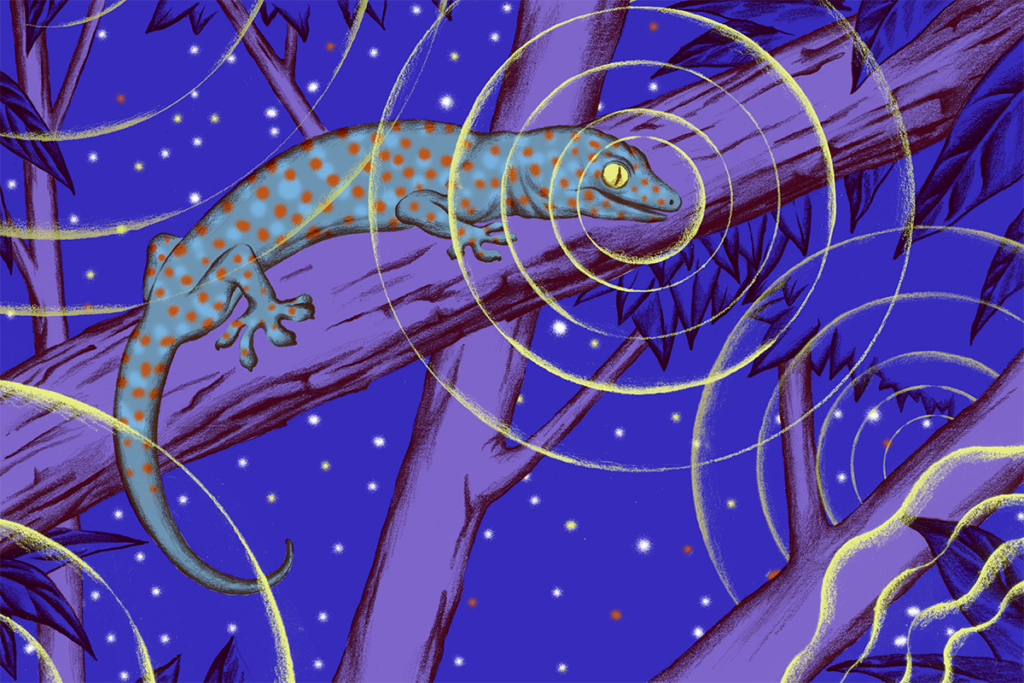
Neuro’s ark: Sounding out the evolution of hearing with geckos
Catherine Carr explains her discovery that geckos retain a vibration-sensing pathway previously thought to be lost when animals moved onto land.
Neuro’s ark: Sounding out the evolution of hearing with geckos
By
Helena Kudiabor
1 April 2026 | 5 min read

Two neurobiologists win 2026 Brain Prize for discovering mechanics of touch
Research by Patrik Ernfors and David Ginty has delineated the diverse cell types of the somatosensory system and revealed how they detect and discriminate among different types of tactile information.
Two neurobiologists win 2026 Brain Prize for discovering mechanics of touch
By
Helena Kudiabor
5 March 2026 | 4 min read
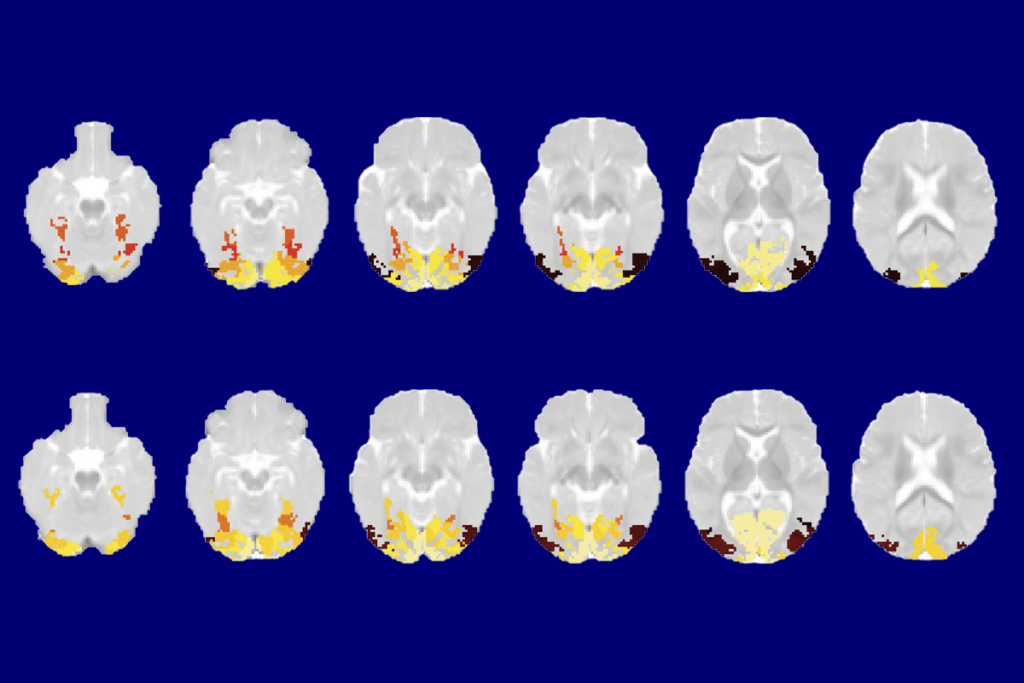
Infant visual system categorizes common objects by 2 months of age
Brain activity patterns in the ventral visual cortex appear to distinguish images across 12 categories, including birds and trees, longitudinal functional MRI scans suggest.
Infant visual system categorizes common objects by 2 months of age
By
Helena Kudiabor
24 February 2026 | 5 min read

Sex bias in autism drops as age at diagnosis rises
The disparity begins to level out after age 10, raising questions about why so many autistic girls go undiagnosed earlier in childhood.
Sex bias in autism drops as age at diagnosis rises
By
Helena Kudiabor
13 February 2026 | 4 min read
Explore more from The Transmitter
Why neural foundation models work, and what they might—and might not—teach us about the brain
These models can partly generalize across species, brain regions and tasks, suggesting that a set of machine-learnable rules govern neural population activity. But will we be able to understand them?
Why neural foundation models work, and what they might—and might not—teach us about the brain
These models can partly generalize across species, brain regions and tasks, suggesting that a set of machine-learnable rules govern neural population activity. But will we be able to understand them?
By
Juan Gallego
13 April 2026 | 8 min read
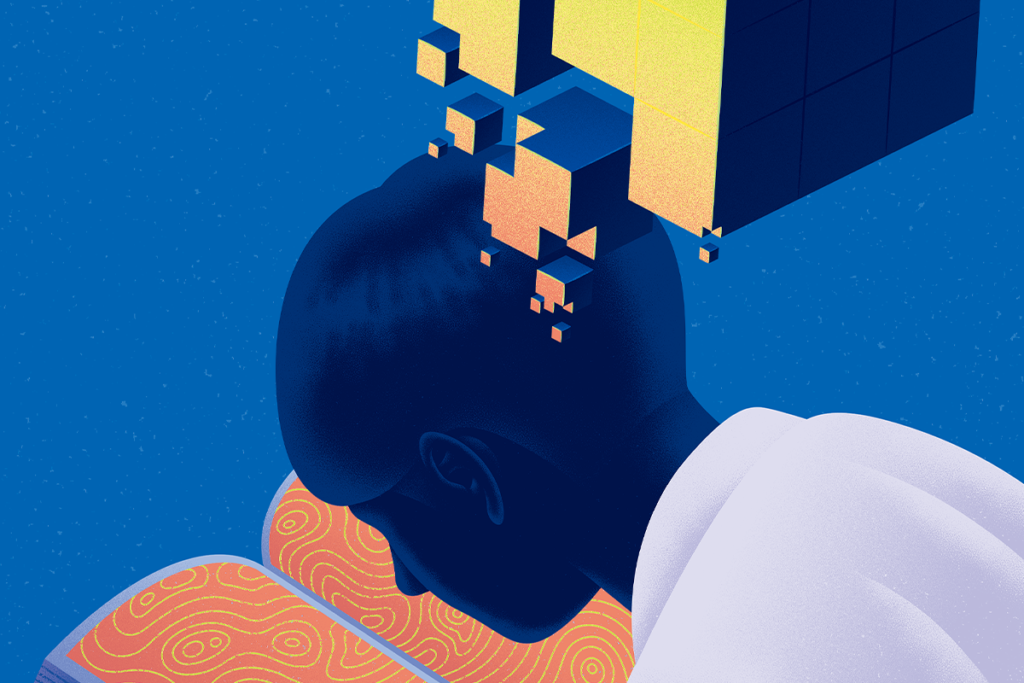
Error equation predicts brain’s ability to generalize
Four statistical measurements of neural network geometry capture how well brains and artificial networks use what they already know to solve new problems, a study suggests.
Error equation predicts brain’s ability to generalize
Four statistical measurements of neural network geometry capture how well brains and artificial networks use what they already know to solve new problems, a study suggests.
By
Natalia Mesa
10 April 2026 | 5 min read
Embrace complexity to improve the translatability of basic neuroscience
Researchers must learn to view heterogeneity as an essential feature of the systems they study and a central consideration in experimental design, not a variable to control for or reduce.
Embrace complexity to improve the translatability of basic neuroscience
Researchers must learn to view heterogeneity as an essential feature of the systems they study and a central consideration in experimental design, not a variable to control for or reduce.
By
Linda Douw, Klaus Eyer, Lara Keuck
9 April 2026 | 5 min read