AI: From bench to bot
Recent articles
This column by Tim Requarth explores the promises and pitfalls of artificial-intelligence tools in science—in reasoning, writing, publishing and the broader practice of scientific research.

The next unit of science: Is the scientific paper due to be replaced?
Artificial intelligence is pushing scientific publishing to the brink. For a field as sprawling as neuroscience, the crisis may also be an opportunity to finally connect findings across subfields.
The next unit of science: Is the scientific paper due to be replaced?
Artificial intelligence is pushing scientific publishing to the brink. For a field as sprawling as neuroscience, the crisis may also be an opportunity to finally connect findings across subfields.

Why expertise won’t protect you from AI’s influence
When writing a grant or reasoning about a problem, artificial intelligence can exert a subtle bias that often goes undetected, even if we’re doing our best to be aware of it.
Why expertise won’t protect you from AI’s influence
When writing a grant or reasoning about a problem, artificial intelligence can exert a subtle bias that often goes undetected, even if we’re doing our best to be aware of it.
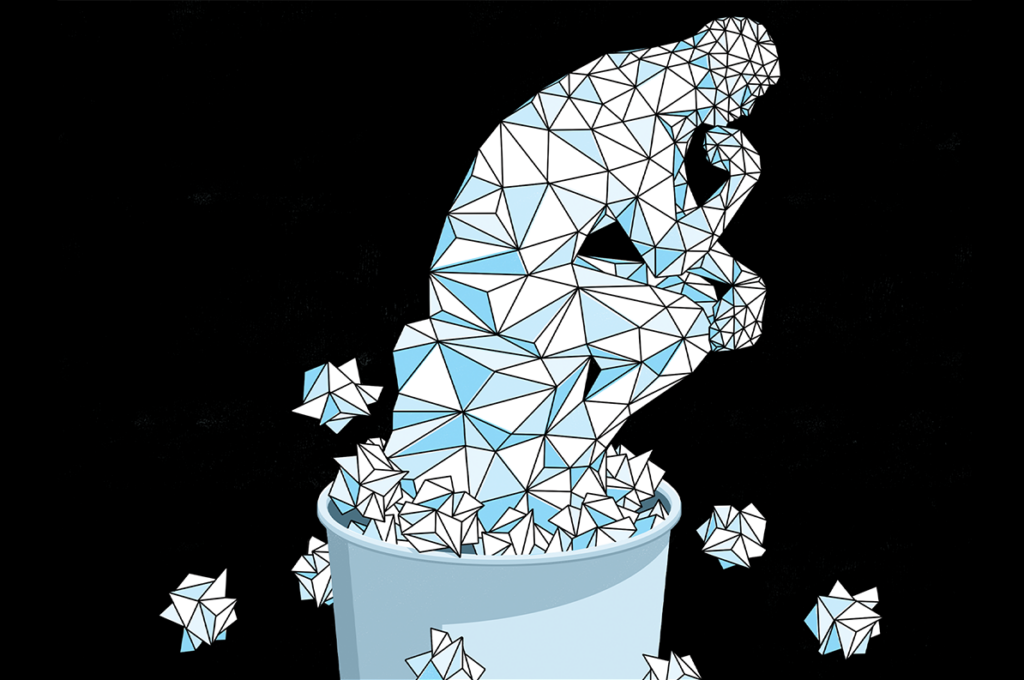
Betting blind on AI and the scientific mind
If the struggle to articulate an idea is part of how you come to understand it, then tools that bypass that struggle might degrade your capacity for the kind of thinking that matters most for actual discovery.
Betting blind on AI and the scientific mind
If the struggle to articulate an idea is part of how you come to understand it, then tools that bypass that struggle might degrade your capacity for the kind of thinking that matters most for actual discovery.

The Transmitter’s favorite essays of 2025
Throughout a tumultuous year in science, researchers opined on policy changes and funding uncertainty, as well as scientific trends and the impact of artificial-intelligence tools on the field.
The Transmitter’s favorite essays of 2025
Throughout a tumultuous year in science, researchers opined on policy changes and funding uncertainty, as well as scientific trends and the impact of artificial-intelligence tools on the field.

From bench to bot: Why AI-powered writing may not deliver on its promise
Efficiency isn’t everything. The cognitive work of struggling with prose may be a crucial part of what drives scientific progress.
From bench to bot: Why AI-powered writing may not deliver on its promise
Efficiency isn’t everything. The cognitive work of struggling with prose may be a crucial part of what drives scientific progress.

Many students want to learn to use artificial intelligence responsibly. But their professors are struggling to meet that need.
Effectively teaching students how to employ AI in their writing assignments requires clear guidelines—and detailed, case-specific examples.
Many students want to learn to use artificial intelligence responsibly. But their professors are struggling to meet that need.
Effectively teaching students how to employ AI in their writing assignments requires clear guidelines—and detailed, case-specific examples.
Keeping it personal: How to preserve your voice when using AI
To harness the workmanlike prose of artificial intelligence while maintaining a recognizable style, use it as an analyzer rather than as a writer.
Keeping it personal: How to preserve your voice when using AI
To harness the workmanlike prose of artificial intelligence while maintaining a recognizable style, use it as an analyzer rather than as a writer.

From bench to bot: How important is prompt engineering?
To draft the most effective prompt, assume the stance of teacher.
From bench to bot: How important is prompt engineering?
To draft the most effective prompt, assume the stance of teacher.

From bench to bot: Does AI really make you a more efficient writer?
A more significant benefit may lie in improving quality, refining tone and reducing cognitive burden. But beware of bias.
From bench to bot: Does AI really make you a more efficient writer?
A more significant benefit may lie in improving quality, refining tone and reducing cognitive burden. But beware of bias.
From bench to bot: Boost your writing with AI personas
Asking ChatGPT to review your own grant proposals can help you spot weaknesses.
From bench to bot: Boost your writing with AI personas
Asking ChatGPT to review your own grant proposals can help you spot weaknesses.
Explore more from The Transmitter
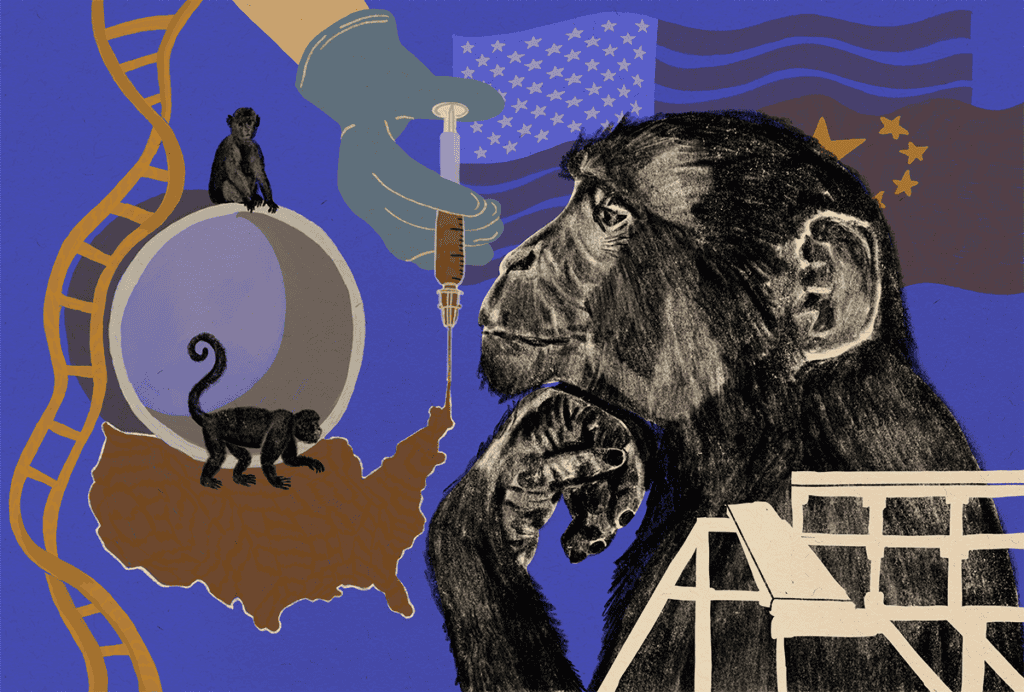
U.S. national primate research centers face an uncertain future
The facilities were meant to last 100 years. Four decades shy of that mark, amid flatlined funds and mounting political pressure, their directors are trying to find a path forward.
U.S. national primate research centers face an uncertain future
The facilities were meant to last 100 years. Four decades shy of that mark, amid flatlined funds and mounting political pressure, their directors are trying to find a path forward.
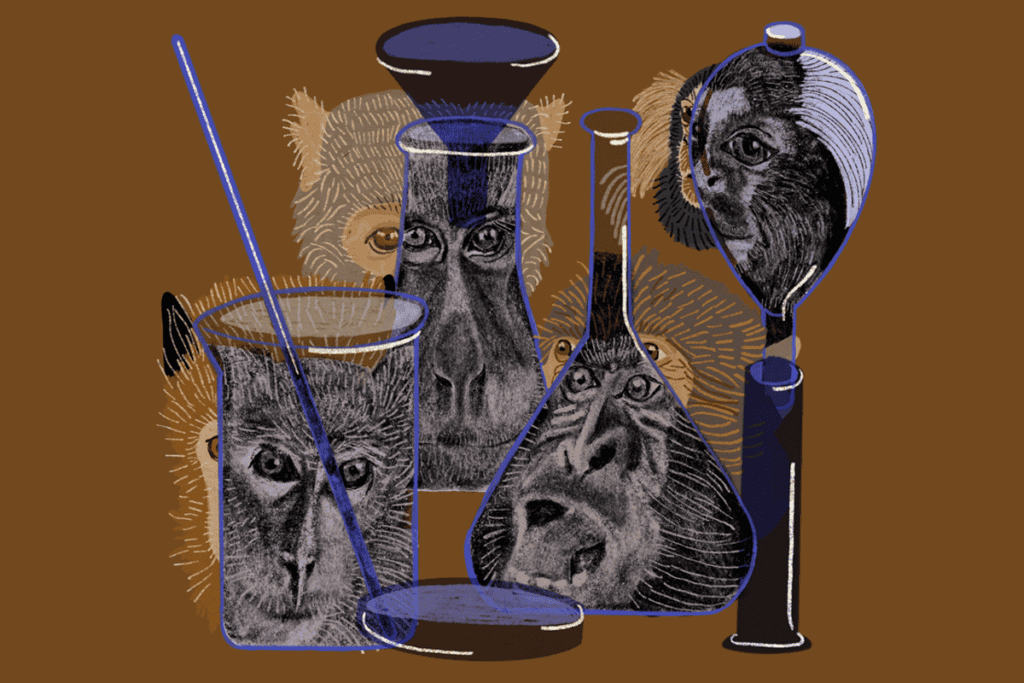
What if nonhuman primate research goes away?
As the U.S. government takes steps to stop using nonhuman primates in research, The Transmitter investigates what that shift could mean for neuroscience.
What if nonhuman primate research goes away?
As the U.S. government takes steps to stop using nonhuman primates in research, The Transmitter investigates what that shift could mean for neuroscience.
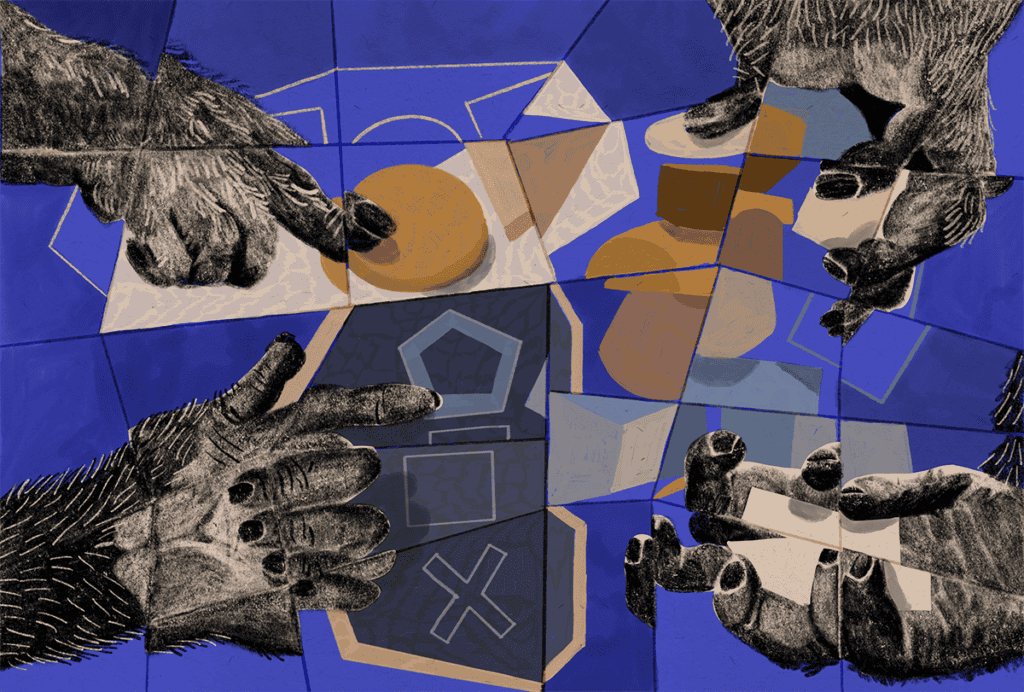
The neuroscience questions that need nonhuman primates
The Transmitter asked 17 neuroscientists what questions might remain unanswered if support for nonhuman primate research continues to decline.
The neuroscience questions that need nonhuman primates
The Transmitter asked 17 neuroscientists what questions might remain unanswered if support for nonhuman primate research continues to decline.