Nicole Wetsman
From this contributor
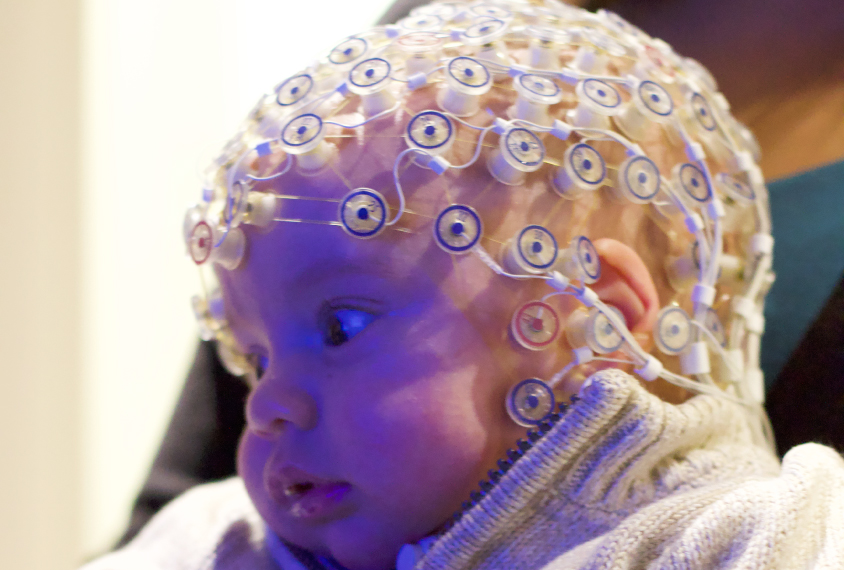
Certain patterns of brain waves in babies may forecast autism
Brain activity patterns in the first year of life may predict autism in infants at high risk for the condition.
Certain patterns of brain waves in babies may forecast autism
U.S. funnels funds into research related to autistic adults
The U.S. government has injected $1.8 billion into autism research with a potential new focus: adults on the spectrum.
U.S. funnels funds into research related to autistic adults
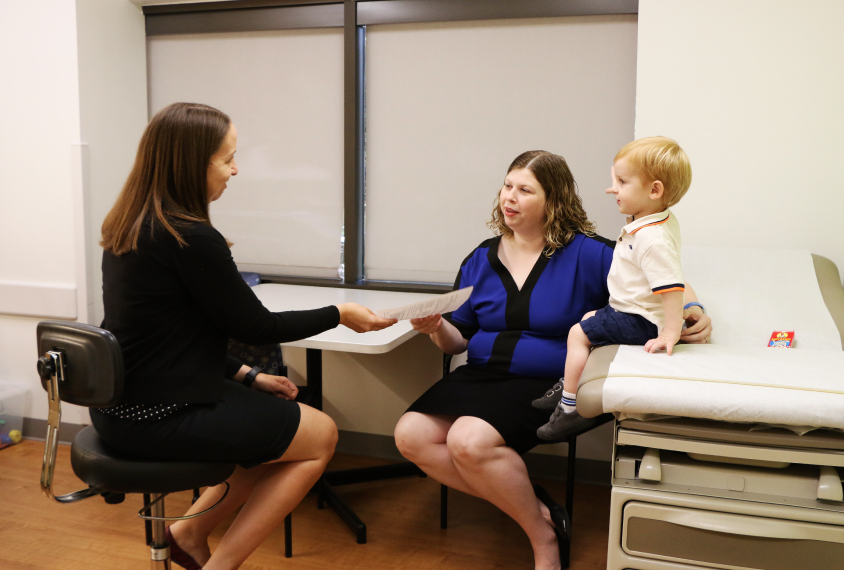
Positive screen for autism often does not spur further evaluation
More than two-thirds of toddlers flagged for autism do not get assessed for the condition by specialists.
Positive screen for autism often does not spur further evaluation
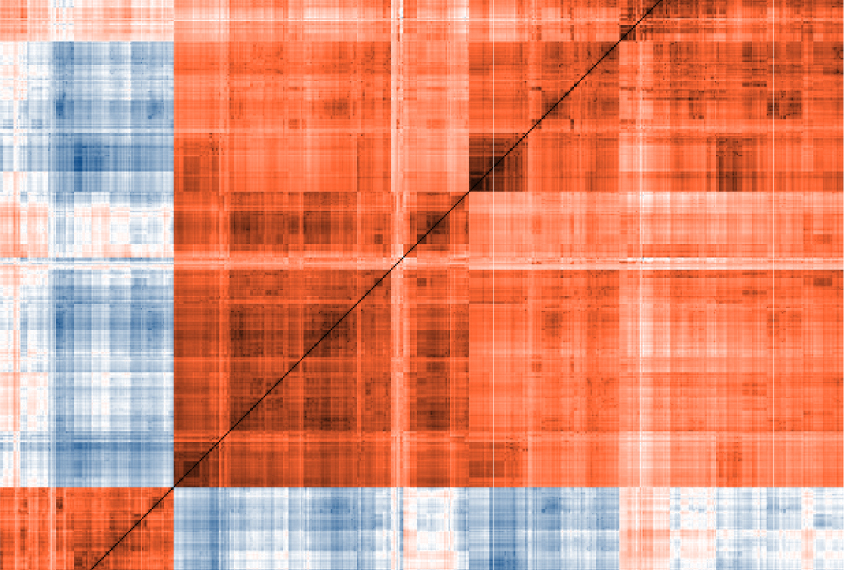
Algorithm flags harmful mutations in single copies of genes
A new tool can predict a genetic problem called 'haploinsufficiency' in which a mutation impairs the function of one copy of a gene.
Algorithm flags harmful mutations in single copies of genes
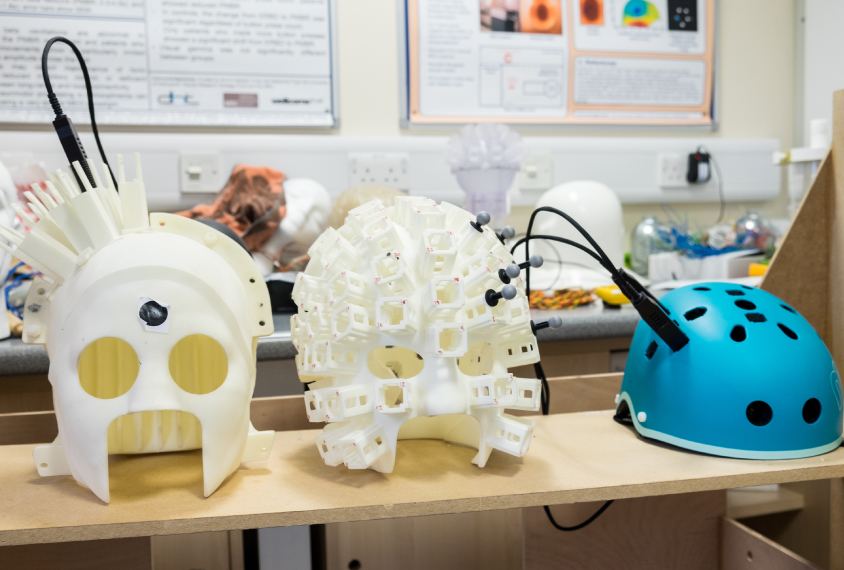
Wearable device accurately scans brains in moving people
A new neuroimaging device that is worn like a helmet enables researchers to map the functional activity of a person’s brain as she moves her head.
Wearable device accurately scans brains in moving people
Explore more from The Transmitter
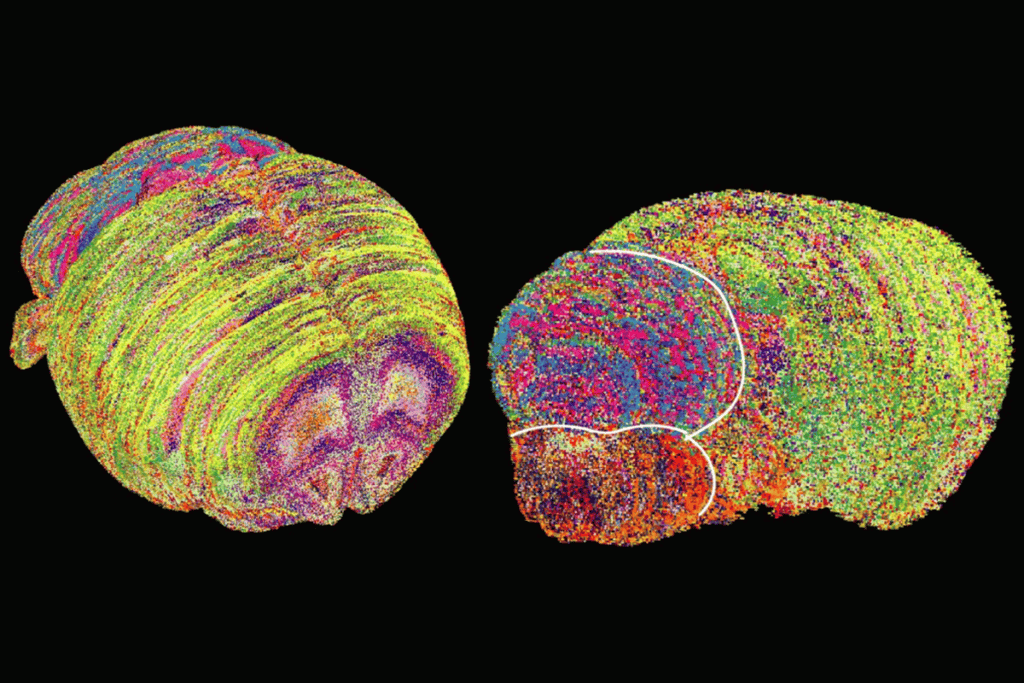
Lipids enter brain mapping limelight
Two new studies, including the first whole-brain lipid atlas in mice, uncover unforeseen complexity and influence during pregnancy and aging.
Lipids enter brain mapping limelight
Two new studies, including the first whole-brain lipid atlas in mice, uncover unforeseen complexity and influence during pregnancy and aging.
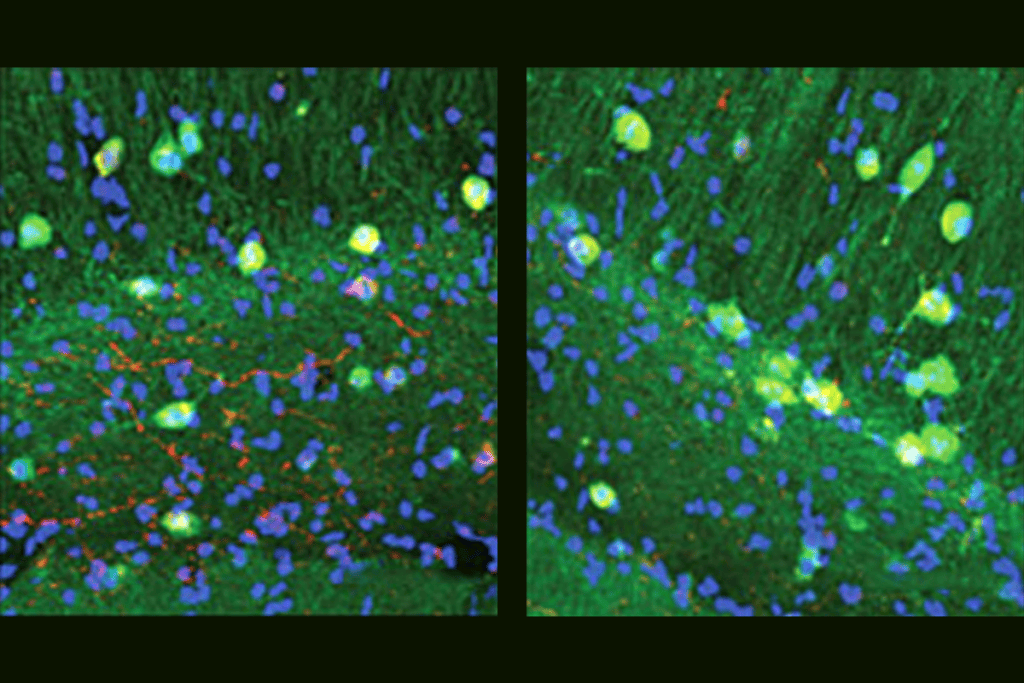
Behavioral phenomics in zebrafish; and more
Here is a roundup of autism-related news and research spotted around the web for the week of 26 October.
Behavioral phenomics in zebrafish; and more
Here is a roundup of autism-related news and research spotted around the web for the week of 26 October.
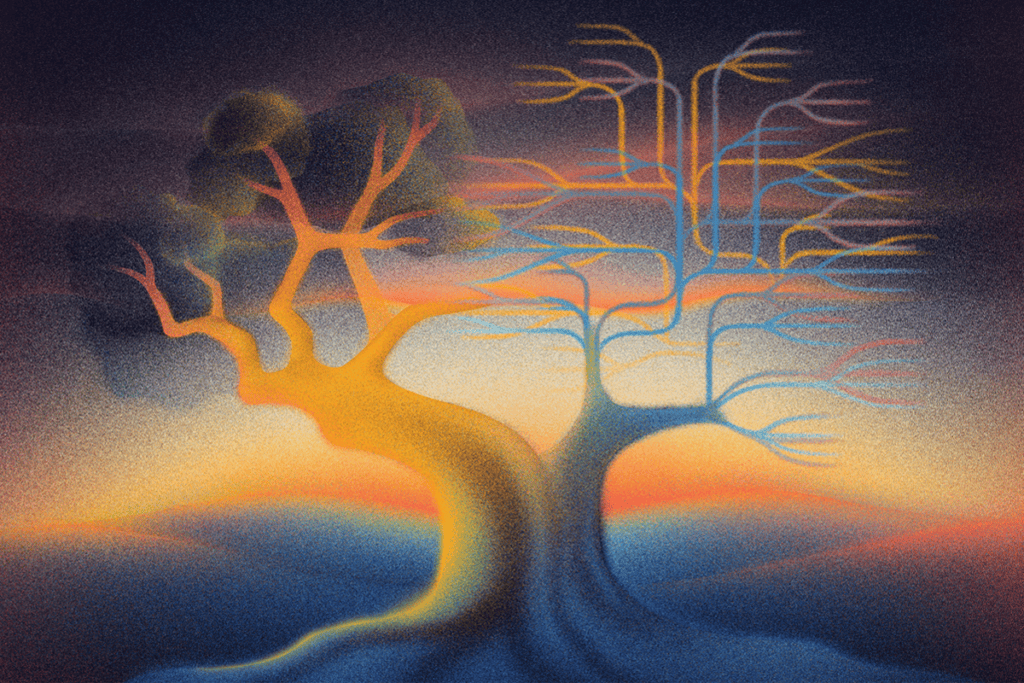
Neuroscience gave AI its start. What happens now?
David Sussillo maps the two fields' divergent paths, and where they might still meet.
Neuroscience gave AI its start. What happens now?
David Sussillo maps the two fields' divergent paths, and where they might still meet.