Niels Springveld studied comparative literature at Utrecht University and is an editor at de Nederlandse Boekengids/the Dutch Review of Books. He is writing a book on the history of autism.
Niels Springveld
Editor
de Nederlandse Boekengids/the Dutch Review of Books
From this contributor
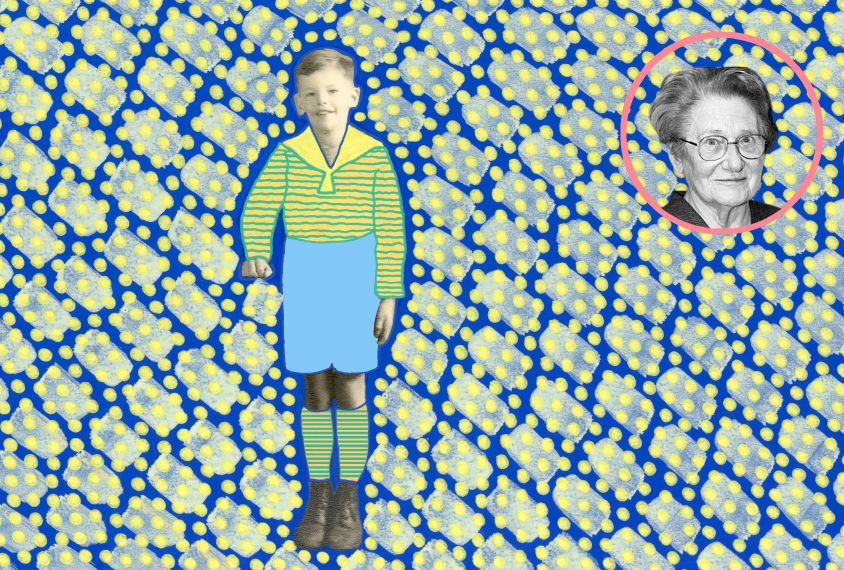
The first Dutch boy with ‘autism’ — and the nun who cared for him
The recognition of autism independently at different times and across different cultures shows the condition has clear boundaries, despite considerable heterogeneity.
The first Dutch boy with ‘autism’ — and the nun who cared for him
By
Niels Springveld
25 May 2021 | 10 min read
Explore more from The Transmitter
Researchers retract multisensory learning paper after failed replications
Even though one set of experiments did not hold up, the authors stand by the original conclusions of the work and plan to resubmit it as a new paper.
Researchers retract multisensory learning paper after failed replications
Even though one set of experiments did not hold up, the authors stand by the original conclusions of the work and plan to resubmit it as a new paper.
By
Calli McMurray
31 March 2026 | 4 min read
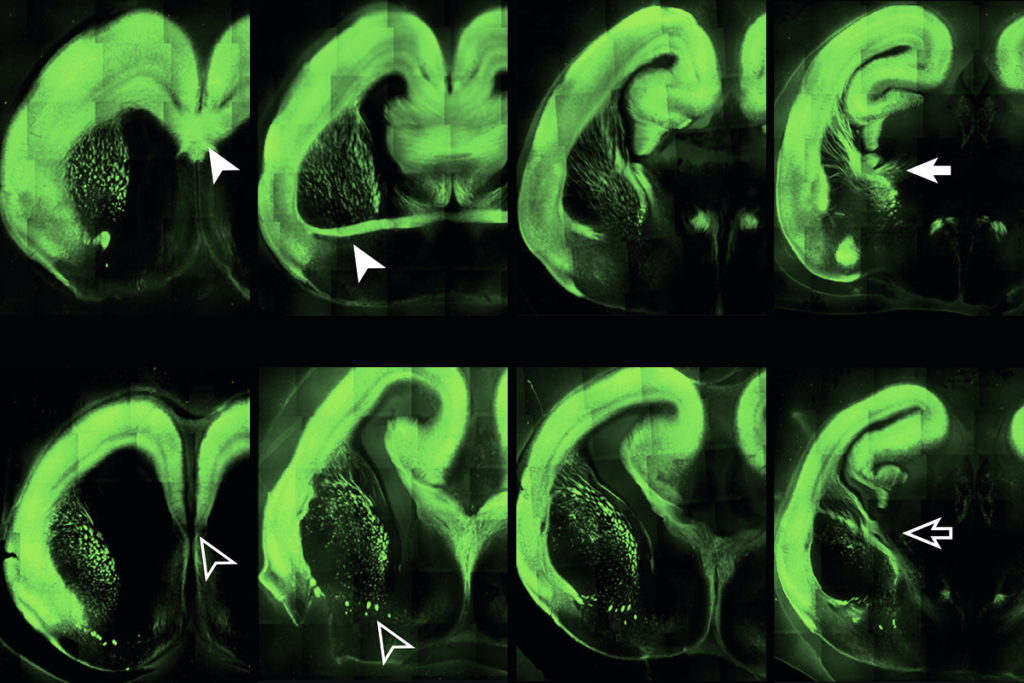
Cortical evolution, ZBTB18, and more
Here is a roundup of autism-related news and research spotted around the web for the week of 30 March.
Cortical evolution, ZBTB18, and more
Here is a roundup of autism-related news and research spotted around the web for the week of 30 March.
By
Jill Adams
31 March 2026 | 2 min read
Letter asks Congress for nearly $500 million to sustain BRAIN Initiative
The one-time boost would help counter the planned end this year to one of the program’s long-standing funding streams, which will result in a $195 million drop in funding for fiscal year 2027.
Letter asks Congress for nearly $500 million to sustain BRAIN Initiative
The one-time boost would help counter the planned end this year to one of the program’s long-standing funding streams, which will result in a $195 million drop in funding for fiscal year 2027.
By
Angie Voyles Askham
31 March 2026 | 3 min read