Petrus de Vries is founding director of the Centre for Autism Research in Africa (CARA) at the University of Cape Town in South Africa, and current president of the International Society for Autism Research.
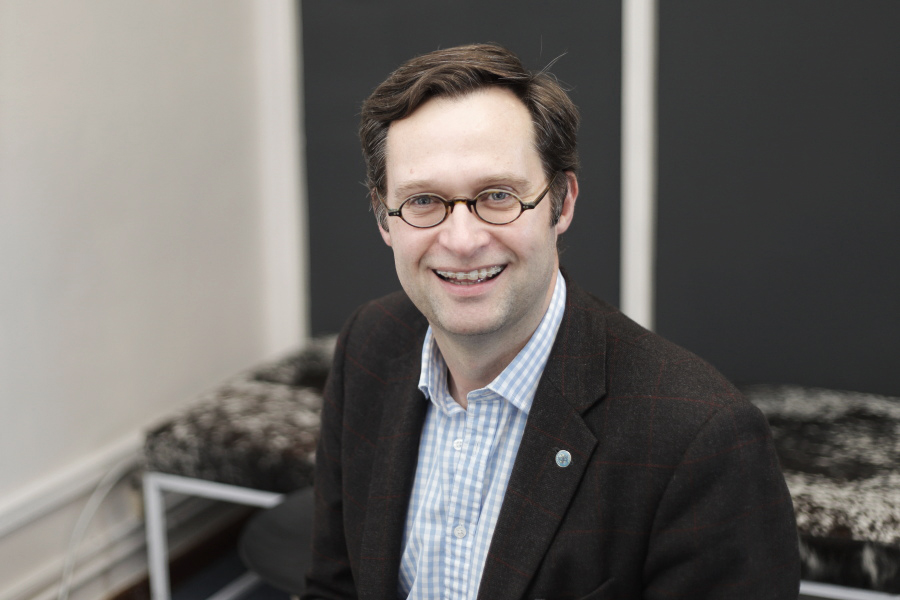
Petrus de Vries
Founding director
Centre for Autism Research in Africa, University of Cape Town
From this contributor

Autism research is becoming more diverse but not yet more global
Hosting the International Society for Autism Research annual meeting—which starts tomorrow—in Australia takes a step in that direction, making it easier for researchers, clinicians and advocates from the Western Pacific Region to participate.
Autism research is becoming more diverse but not yet more global
By
Petrus de Vries
14 May 2024 | 5 min read
What kind of autism research should we do, and where should we do it?
Researchers at INSAR 2023 need to discuss these questions and remember that the purpose of research may be different for different communities.
What kind of autism research should we do, and where should we do it?
By
Petrus de Vries
3 May 2023 | 6 min read
How to offer support for young autistic children in South Africa
Coaching caregivers in early-intervention strategies may be the most effective way to help young autistic children in South Africa.
How to offer support for young autistic children in South Africa
By
Lauren Franz, Petrus de Vries
22 January 2019 | 6 min read
Explore more from The Transmitter
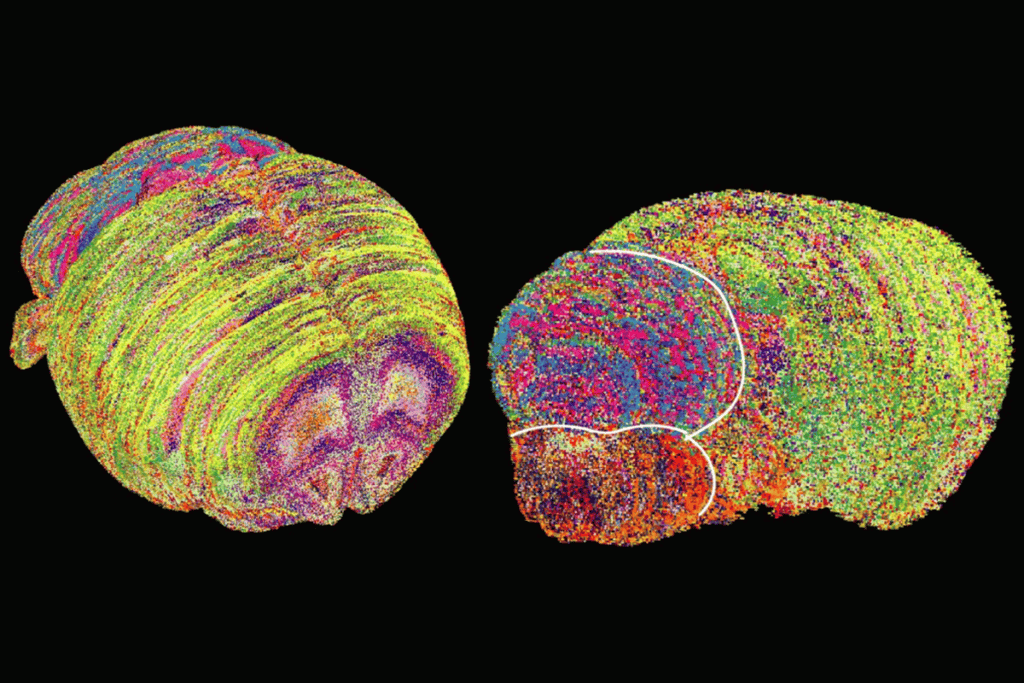
Lipids enter brain mapping limelight
Two new studies, including the first whole-brain lipid atlas in mice, uncover unforeseen complexity and influence during pregnancy and aging.
Lipids enter brain mapping limelight
Two new studies, including the first whole-brain lipid atlas in mice, uncover unforeseen complexity and influence during pregnancy and aging.
By
Lauren Schenkman
27 October 2026 | 6 min read
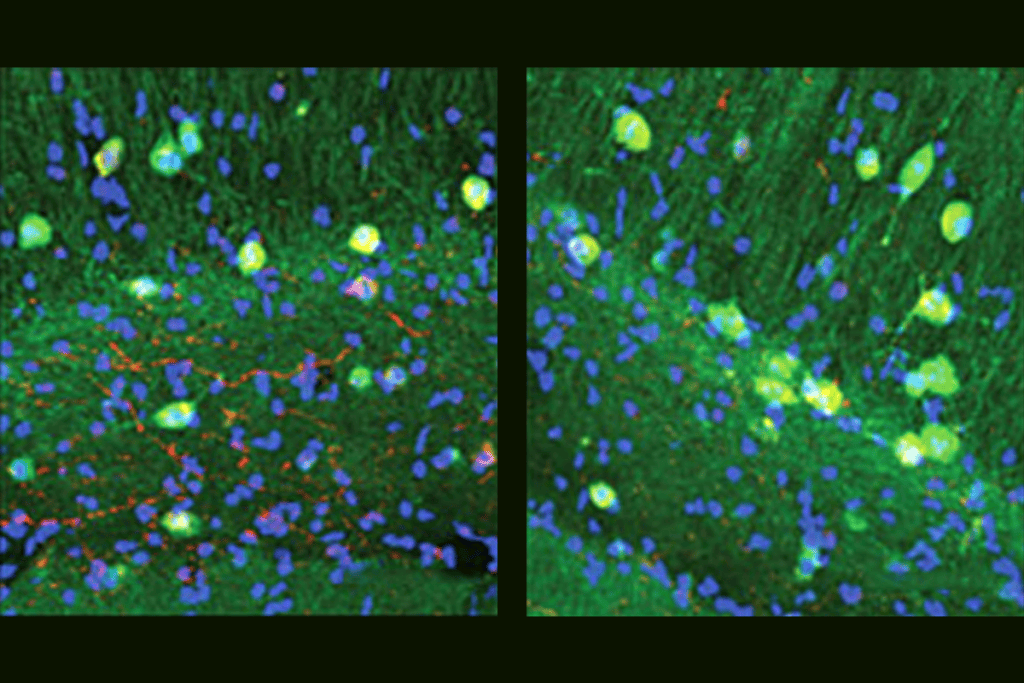
Behavioral phenomics in zebrafish; and more
Here is a roundup of autism-related news and research spotted around the web for the week of 26 October.
Behavioral phenomics in zebrafish; and more
Here is a roundup of autism-related news and research spotted around the web for the week of 26 October.
By
Jill Adams
27 October 2026 | 2 min read
Neuroscience gave AI its start. What happens now?
David Sussillo maps the two fields' divergent paths, and where they might still meet.
Neuroscience gave AI its start. What happens now?
David Sussillo maps the two fields' divergent paths, and where they might still meet.
By
Emily Singer
27 October 2026 | 10 min read