Sara Luterman is the caregiving reporter at The 19th, based outside Washington, D.C., and a contributing editor at Radiolab. Previously, she worked as a freelance writer, and her work has appeared in The Washington Post, The Nation and Vox.
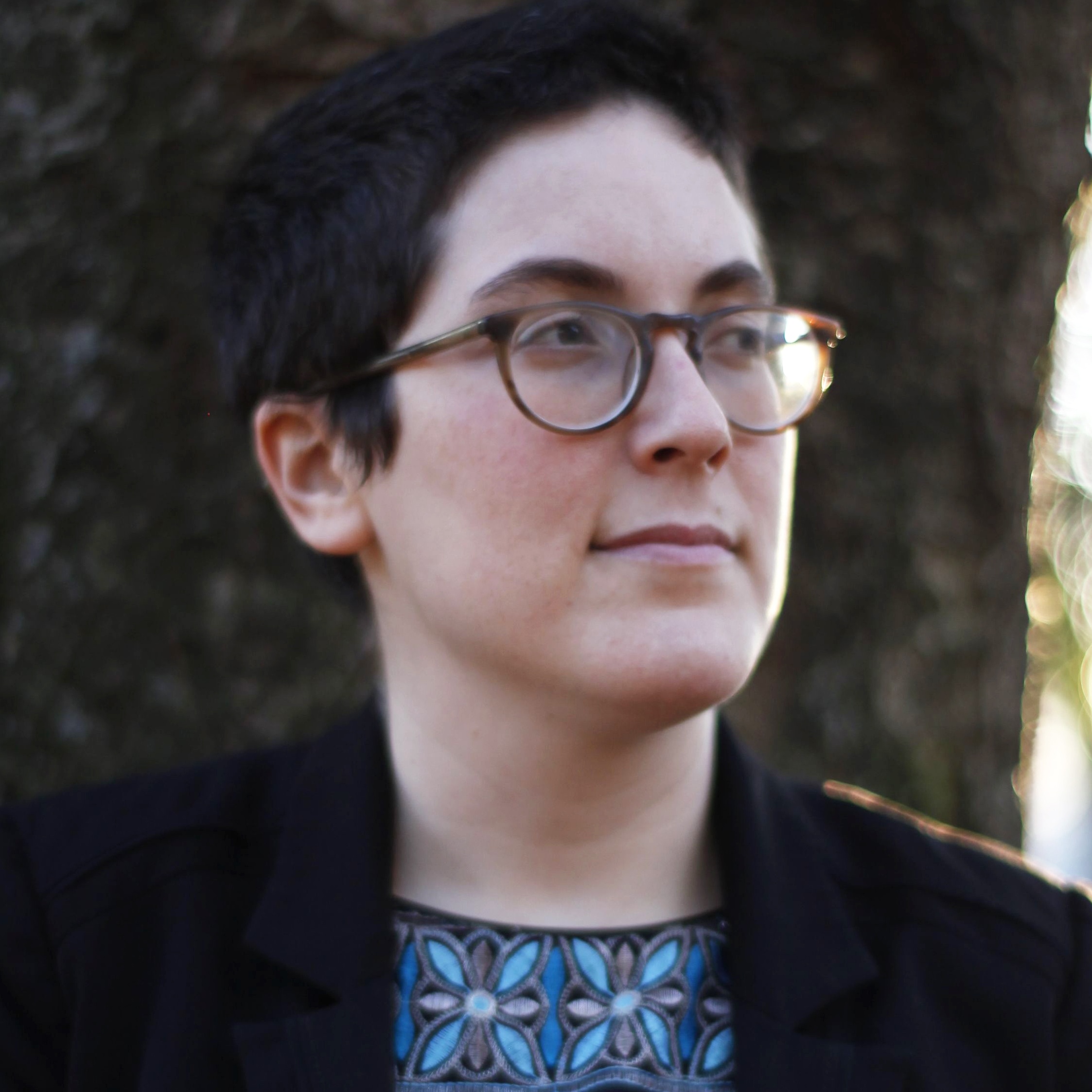
Sara Luterman
Founder
NOS Magazine
From this contributor
Contentious study prompts backlash from autism researchers
Conflicts of interest and methodological issues sully a study published 18 July in the Journal of Autism and Developmental Disorders, autism researchers say.
Contentious study prompts backlash from autism researchers
By
Sara Luterman
11 August 2021 | 5 min read

Book Review: An autistic writer recounts the fun and futility of trying to fit in
In “I Overcame My Autism and All I Got Was This Lousy Anxiety Disorder,” Sarah Kurchak weaves together jagged honesty, funny anecdotes and occasionally painful doses of self-awareness.
Book Review: An autistic writer recounts the fun and futility of trying to fit in
By
Sara Luterman
13 October 2020 | 4 min read

Review: ‘Love on the Spectrum’ is kind, but unrepresentative
The Netflix series that follows 20-something autistic adults looking for love is well intentioned but fails to capture reality and is riddled with bad advice.
Review: ‘Love on the Spectrum’ is kind, but unrepresentative
By
Sara Luterman
18 August 2020 | 6 min read

Autistic people must not be denied access to ventilators
With life-saving gear in short supply during the pandemic, health authorities must ensure that disabled people are not pushed to the back of the line.
Autistic people must not be denied access to ventilators
By
Sara Luterman
5 May 2020 | 4 min read
Film review: Rare realism about autism in ‘The Limits of My World’
Heather Cassano's documentary about her autistic brother Brian is a thoughtful and empathetic look at life on the spectrum.
Film review: Rare realism about autism in ‘The Limits of My World’
By
Sara Luterman
8 October 2019 | 4 min read
Explore more from The Transmitter

Error equation predicts brain’s ability to generalize
Four statistical measurements of neural network geometry capture how well brains and artificial networks use what they already know to solve new problems, a study suggests.
Error equation predicts brain’s ability to generalize
Four statistical measurements of neural network geometry capture how well brains and artificial networks use what they already know to solve new problems, a study suggests.
By
Natalia Mesa
10 April 2026 | 5 min read

Embrace complexity to improve the translatability of basic neuroscience
Researchers must learn to view heterogeneity as an essential feature of the systems they study and a central consideration in experimental design, not a variable to control for or reduce.
Embrace complexity to improve the translatability of basic neuroscience
Researchers must learn to view heterogeneity as an essential feature of the systems they study and a central consideration in experimental design, not a variable to control for or reduce.
By
Linda Douw, Klaus Eyer, Lara Keuck
9 April 2026 | 5 min read
Romain Brette reveals fundamental flaws in commonly assumed neuroscience concepts
His new book, “The Brain, In Theory,” offers alternatives to many of the computer science frameworks currently driving theoretical neuroscience.
Romain Brette reveals fundamental flaws in commonly assumed neuroscience concepts
His new book, “The Brain, In Theory,” offers alternatives to many of the computer science frameworks currently driving theoretical neuroscience.
By
Paul Middlebrooks
8 April 2026 | 131 min listen