Timothy Roberts is Oberkircher Family Chair in Pediatric Radiology and vice-chair of radiology research at the Children’s Hospital of Philadelphia. He is also professor of radiology at the University of Pennsylvania.
Timothy Roberts
Professor of radiology
Children's Hospital of Philadelphia
From this contributor
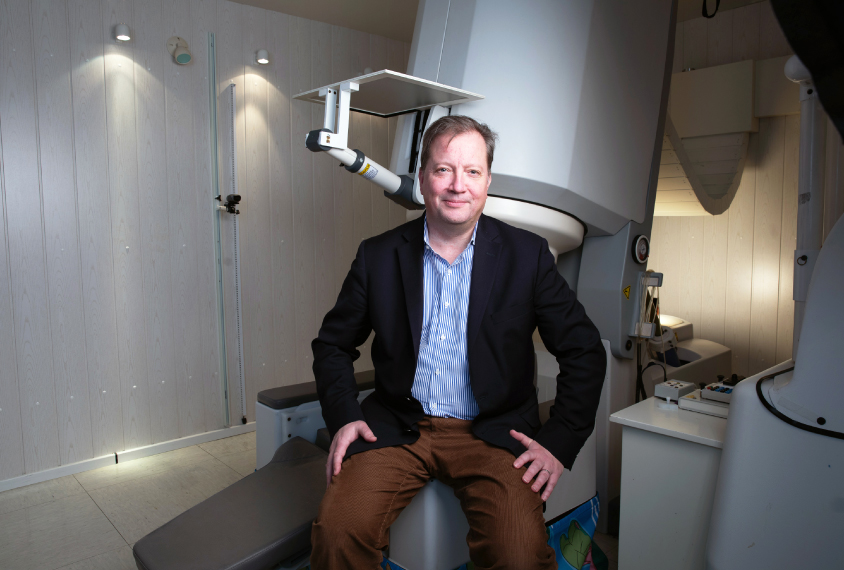
In quest for autism biomarkers, this technique has magnetic appeal
To find biological markers of autism, scientists would be wise to measure the brain's electrical activity along with the resulting magnetic fields.
In quest for autism biomarkers, this technique has magnetic appeal
By
Timothy Roberts
26 March 2019 | 6 min read
When tracking brain activity, timing can be key
A brain imaging technique called magnetoencephalography characterizes not just what is happening in the brain, but also where and when, making it ideally suited for studying autism.
When tracking brain activity, timing can be key
By
Timothy Roberts
15 March 2016 | 5 min read
Imaging biomarkers could signal autism spectrum disorder
There does not appear to be a single genetic or environmental cause of autism, and given the heterogeneity of symptoms, coming up with a clear yes or no test for autism is challenging. Timothy Roberts argues that imaging and electrophysiology are key in the search for autism biomarkers.
Imaging biomarkers could signal autism spectrum disorder
By
Timothy Roberts
12 April 2011 | 4 min read
Explore more from The Transmitter
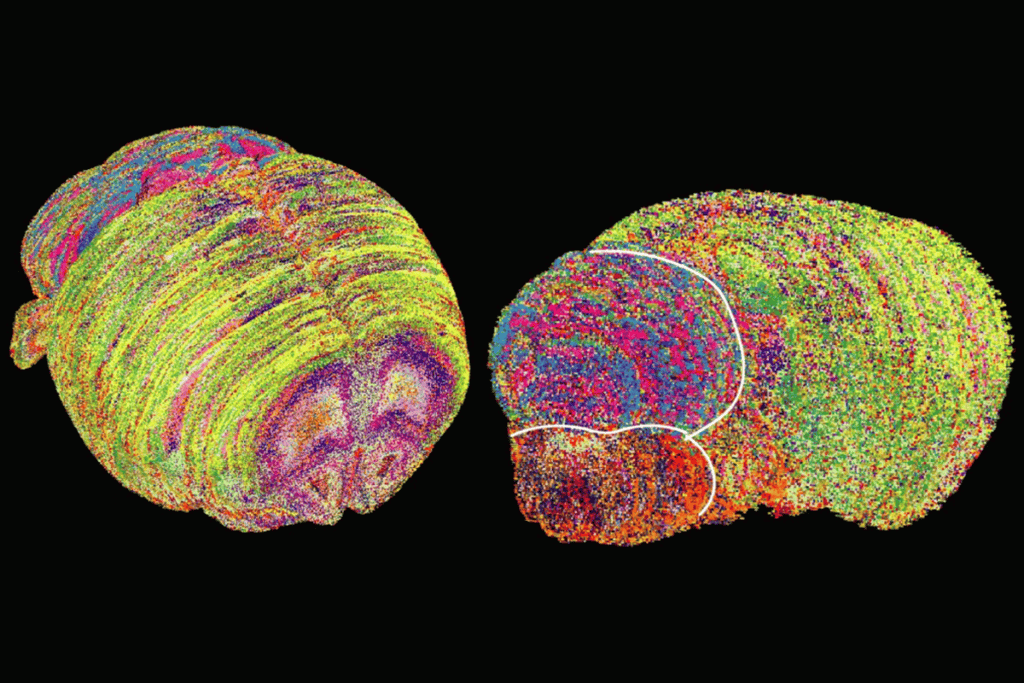
Lipids enter brain mapping limelight
Two new studies, including the first whole-brain lipid atlas in mice, uncover unforeseen complexity and influence during pregnancy and aging.
Lipids enter brain mapping limelight
Two new studies, including the first whole-brain lipid atlas in mice, uncover unforeseen complexity and influence during pregnancy and aging.
By
Lauren Schenkman
27 October 2026 | 6 min read
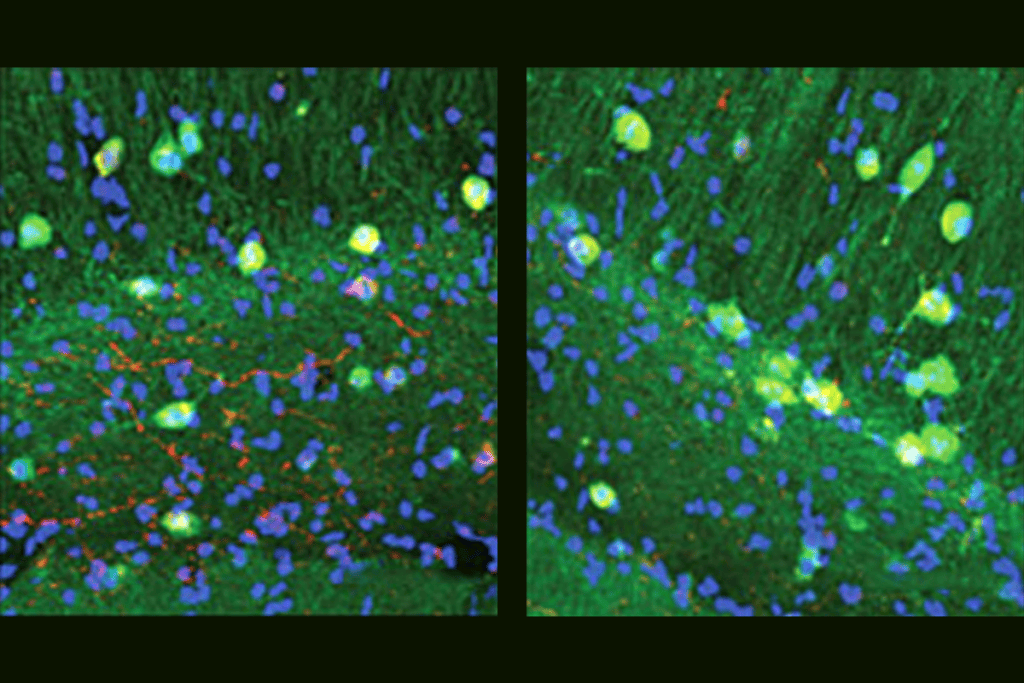
Behavioral phenomics in zebrafish; and more
Here is a roundup of autism-related news and research spotted around the web for the week of 26 October.
Behavioral phenomics in zebrafish; and more
Here is a roundup of autism-related news and research spotted around the web for the week of 26 October.
By
Jill Adams
27 October 2026 | 2 min read
Neuroscience gave AI its start. What happens now?
David Sussillo maps the two fields' divergent paths, and where they might still meet.
Neuroscience gave AI its start. What happens now?
David Sussillo maps the two fields' divergent paths, and where they might still meet.
By
Emily Singer
27 October 2026 | 10 min read