Yael Niv is professor of psychology and neuroscience at the Princeton Neuroscience Institute.

Yael Niv
Associate professor
Princeton University
From this contributor
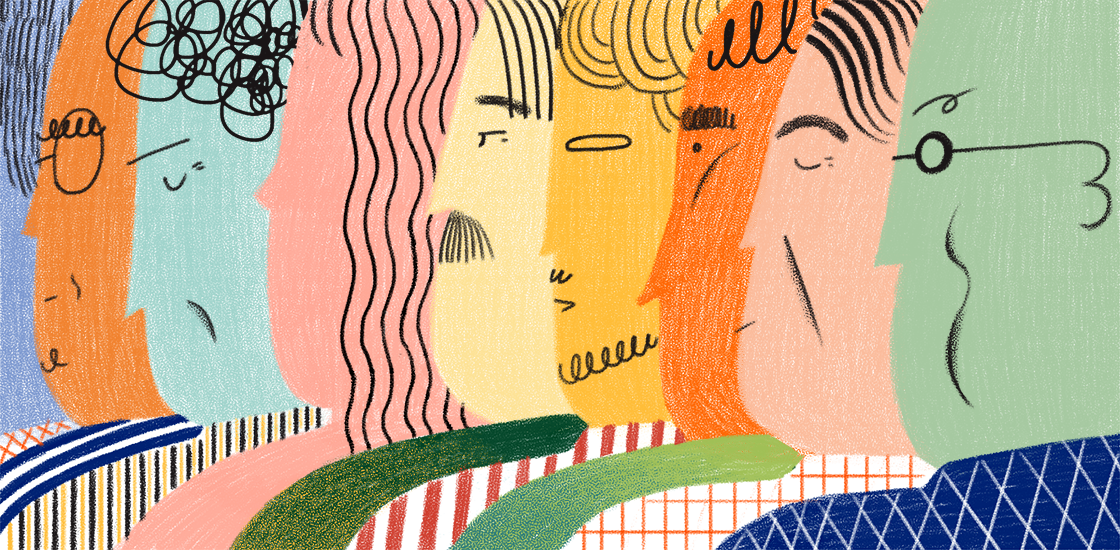
Questions for Yael Niv: How to fight sexism in science
Male scientists typically dominate speaker lineups at conferences. The skewed gender ratio stunts women’s careers — and progress in science.
Questions for Yael Niv: How to fight sexism in science
By
Ann Griswold
14 November 2016 | 7 min read
Explore more from The Transmitter
Romain Brette reveals fundamental flaws in commonly assumed neuroscience concepts
His new book, “The Brain, In Theory,” offers alternatives to many of the computer science frameworks currently driving theoretical neuroscience.
Romain Brette reveals fundamental flaws in commonly assumed neuroscience concepts
His new book, “The Brain, In Theory,” offers alternatives to many of the computer science frameworks currently driving theoretical neuroscience.
By
Paul Middlebrooks
8 April 2026 | 131 min listen
Arboreal deer mice reveal neural roots of dexterity
The rodents offered researchers an opportunity to link genetically driven changes in corticospinal abundance and morphology to climbing cachet.
Arboreal deer mice reveal neural roots of dexterity
The rodents offered researchers an opportunity to link genetically driven changes in corticospinal abundance and morphology to climbing cachet.
By
Siddhant Pusdekar
8 April 2026 | 0 min watch
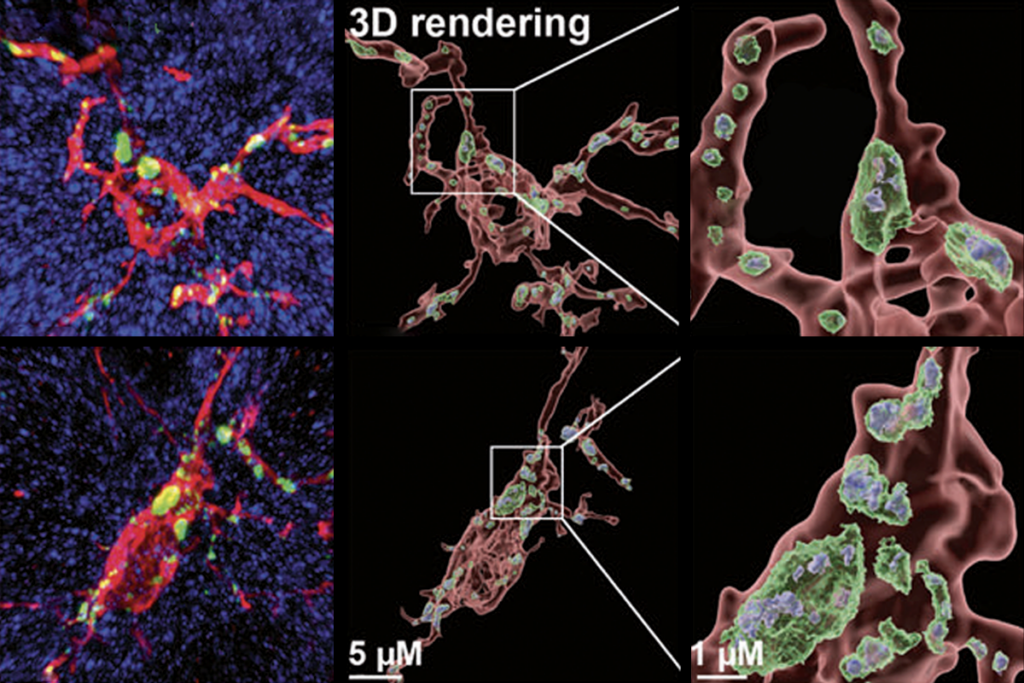
Single-gene systems-level effects, and more
Here is a roundup of autism-related news and research spotted around the web for the week of 6 April.
Single-gene systems-level effects, and more
Here is a roundup of autism-related news and research spotted around the web for the week of 6 April.
By
Jill Adams
7 April 2026 | 2 min read