Siddhant Pusdekar is a London-based freelance writer with a Ph.D. in ecology, evolution and behavior from the University of Minnesota and an M.Sc. in neuroscience from King’s College London. He was a 2024 AAAS Mass Media Fellow with the Milwaukee Journal Sentinel and has written for Science News, Sierra and Yale School of Medicine News, among other publications. See more at https://www.siddhantpusdekar.com/.

Siddhant Pusdekar
Science writer
From this contributor
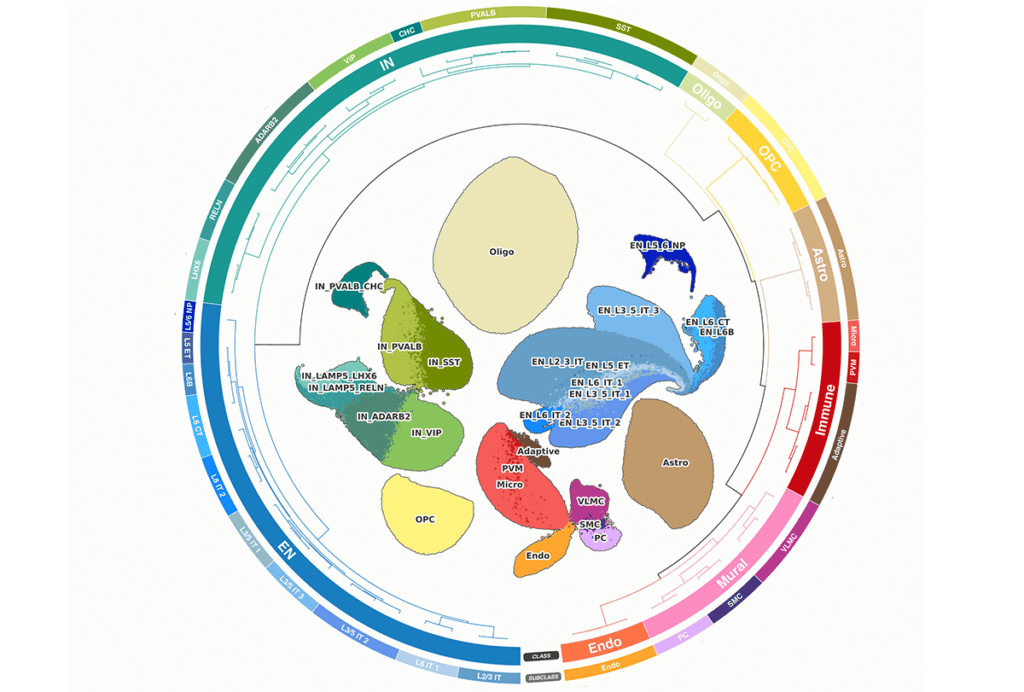
Prefrontal cortex has three transcriptomic acts across human lifespan, new atlas suggests
Various genes show distinct exits and entrances with age in the open-source dataset, the largest of its kind to date.
Prefrontal cortex has three transcriptomic acts across human lifespan, new atlas suggests
By
Siddhant Pusdekar
23 September 2026 | 5 min read
Microglia scoop out garbage from inside neurons
Through a newly identified process called skoupocytosis, neurons recruit the immune cells to remove cellular waste they find hard to deal with themselves.
Microglia scoop out garbage from inside neurons
By
Siddhant Pusdekar
23 September 2026 | 0 min watch
Early experience reshapes zebrafish retinal cells, alters behavior
The cells undergo a classic form of plasticity previously thought to occur only in downstream visual circuits.
Early experience reshapes zebrafish retinal cells, alters behavior
By
Siddhant Pusdekar
13 August 2026 | 0 min watch
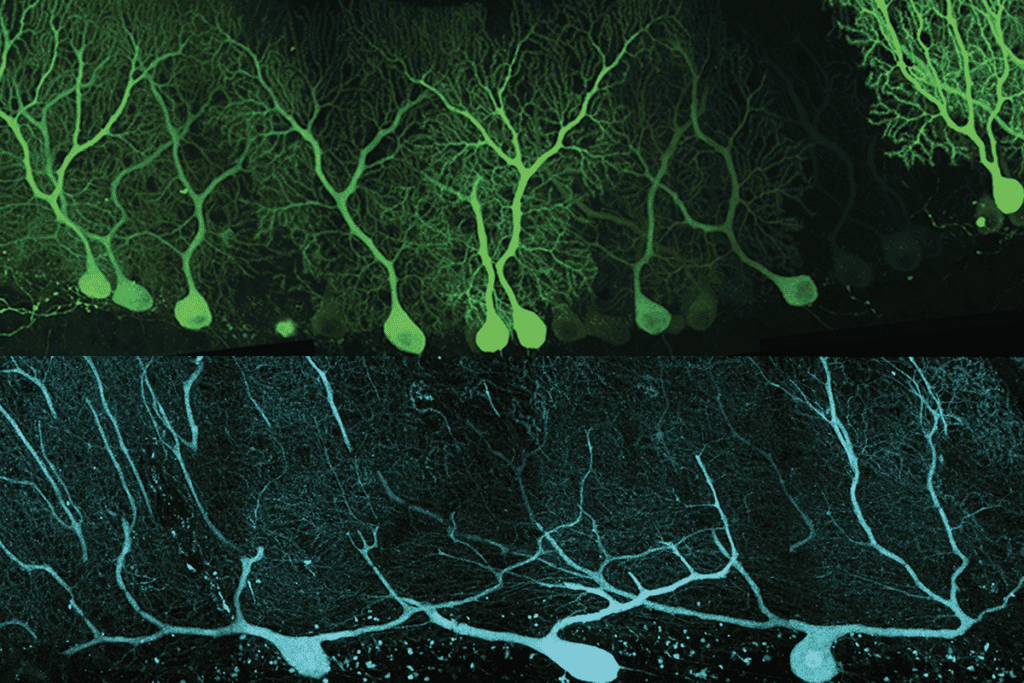
Purkinje cells evolved to have increasingly complex architecture
An increasing proportion of the cerebellar neurons acquired multiple primary dendrites in humans and other apes, according to a comparison of 11 primate species.
Purkinje cells evolved to have increasingly complex architecture
By
Siddhant Pusdekar
16 July 2026 | 5 min read
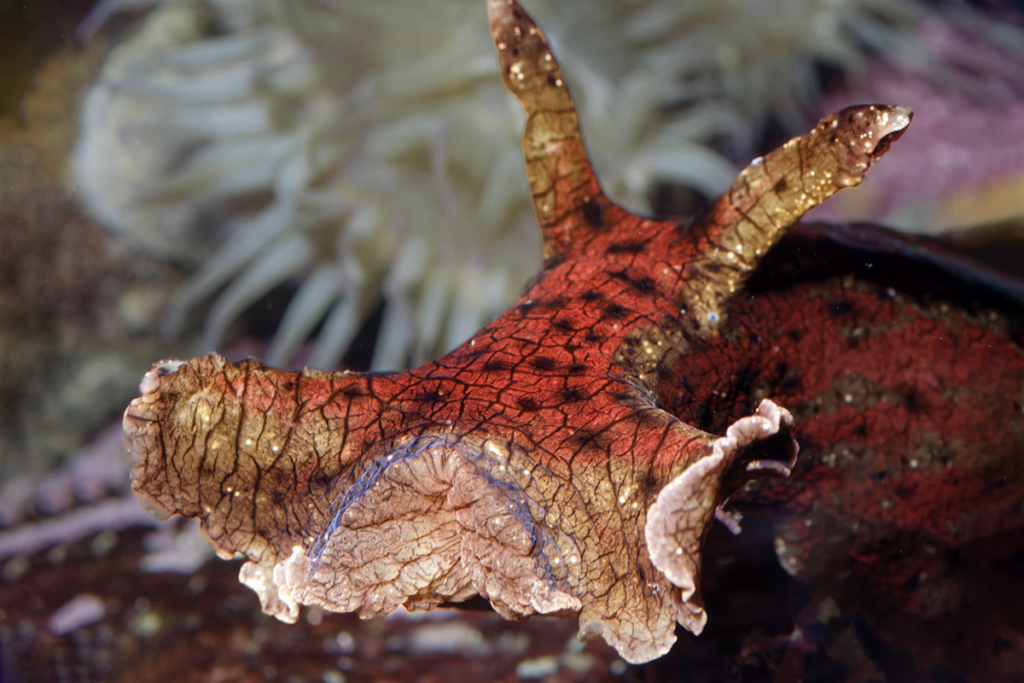
New study questions role of persistent gene activity in memory maintenance
An experiment in sea slugs suggests transcriptional changes might fade after 24 hours.
New study questions role of persistent gene activity in memory maintenance
By
Siddhant Pusdekar
28 April 2026 | 4 min read
Explore more from The Transmitter
Grace Hwang and Joe Monaco discuss the future of NeuroAI
Hwang and Monaco organized a recent workshop to hear from leaders in the field about how best to integrate NeuroAI research into the BRAIN Initiative.
Grace Hwang and Joe Monaco discuss the future of NeuroAI
Hwang and Monaco organized a recent workshop to hear from leaders in the field about how best to integrate NeuroAI research into the BRAIN Initiative.
By
Paul Middlebrooks
4 December 2024 | 97 min listen
Imagining the ultimate systems neuroscience paper
A growing body of papers on systems neuroscience and on giant simulations of neural circuits involves data beyond the point that anyone can reasonably understand end to end. Looking ahead, “paper-bots” could solve that problem.
Imagining the ultimate systems neuroscience paper
A growing body of papers on systems neuroscience and on giant simulations of neural circuits involves data beyond the point that anyone can reasonably understand end to end. Looking ahead, “paper-bots” could solve that problem.
By
Mark Humphries
2 December 2024 | 7 min read
Hessameddin Akhlaghpour outlines how RNA may implement universal computation
Could the brain’s computational abilities extend beyond neural networks to molecular mechanisms? Akhlaghpour describes how natural universal computation may have evolved via RNA mechanisms.
Hessameddin Akhlaghpour outlines how RNA may implement universal computation
Could the brain’s computational abilities extend beyond neural networks to molecular mechanisms? Akhlaghpour describes how natural universal computation may have evolved via RNA mechanisms.
By
Paul Middlebrooks
26 November 2024 | 107 min listen