Drug development
Recent articles
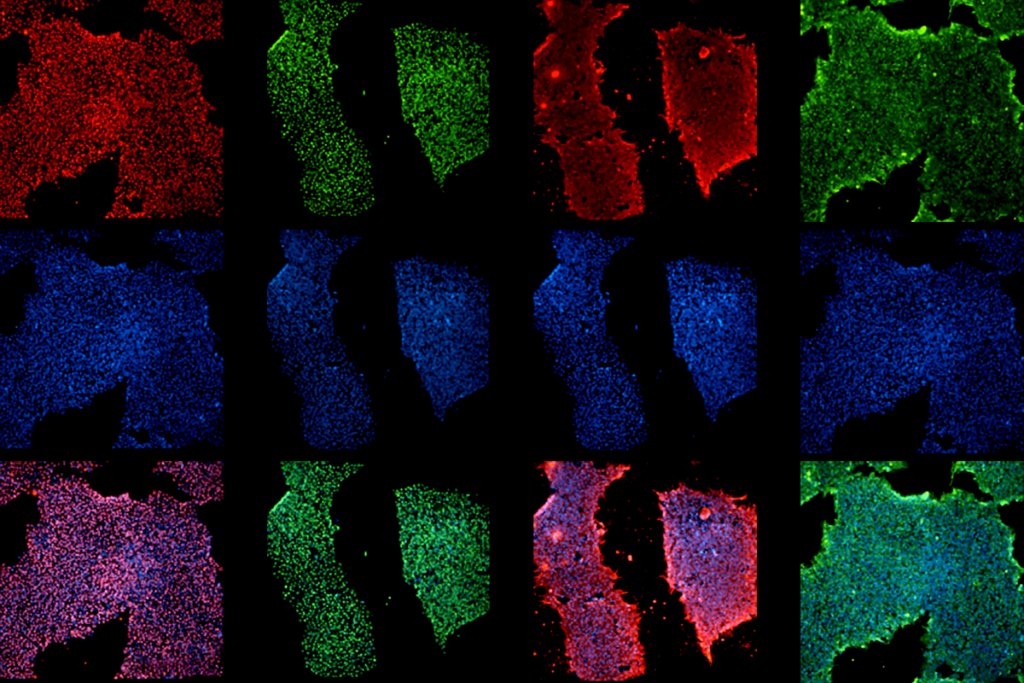
Bringing African ancestry into cellular neuroscience
Two independent teams in Africa are developing stem cell lines and organoids from local populations to explore neurodevelopmental and neurodegenerative conditions.
Bringing African ancestry into cellular neuroscience
Two independent teams in Africa are developing stem cell lines and organoids from local populations to explore neurodevelopmental and neurodegenerative conditions.
How basic neuroscience has paved the path to new drugs
A growing list of medications—such as zuranolone for postpartum depression, suzetrigine for pain, and the gepants class of migraine medicines—exist because of insights from basic research.
How basic neuroscience has paved the path to new drugs
A growing list of medications—such as zuranolone for postpartum depression, suzetrigine for pain, and the gepants class of migraine medicines—exist because of insights from basic research.

Expediting clinical trials for profound autism: Q&A with Matthew State
Aligning Research to Impact Autism, a new initiative funded by the Sergey Brin Family Foundation, wants to bring basic science discoveries to the clinic faster.
Expediting clinical trials for profound autism: Q&A with Matthew State
Aligning Research to Impact Autism, a new initiative funded by the Sergey Brin Family Foundation, wants to bring basic science discoveries to the clinic faster.
Leveraging the power of community to strengthen clinical trials for rare genetic syndromes
Families can become not only participants but champions of these research efforts.
Leveraging the power of community to strengthen clinical trials for rare genetic syndromes
Families can become not only participants but champions of these research efforts.
Explore more from The Transmitter
How new technologies can bring primatologists and systems neuroscientists together
The two groups study the same behavioral phenomena yet rarely interact or read each other's work—a mutual blind spot that weakens both fields. New technologies offer a chance to bring them together.
How new technologies can bring primatologists and systems neuroscientists together
The two groups study the same behavioral phenomena yet rarely interact or read each other's work—a mutual blind spot that weakens both fields. New technologies offer a chance to bring them together.
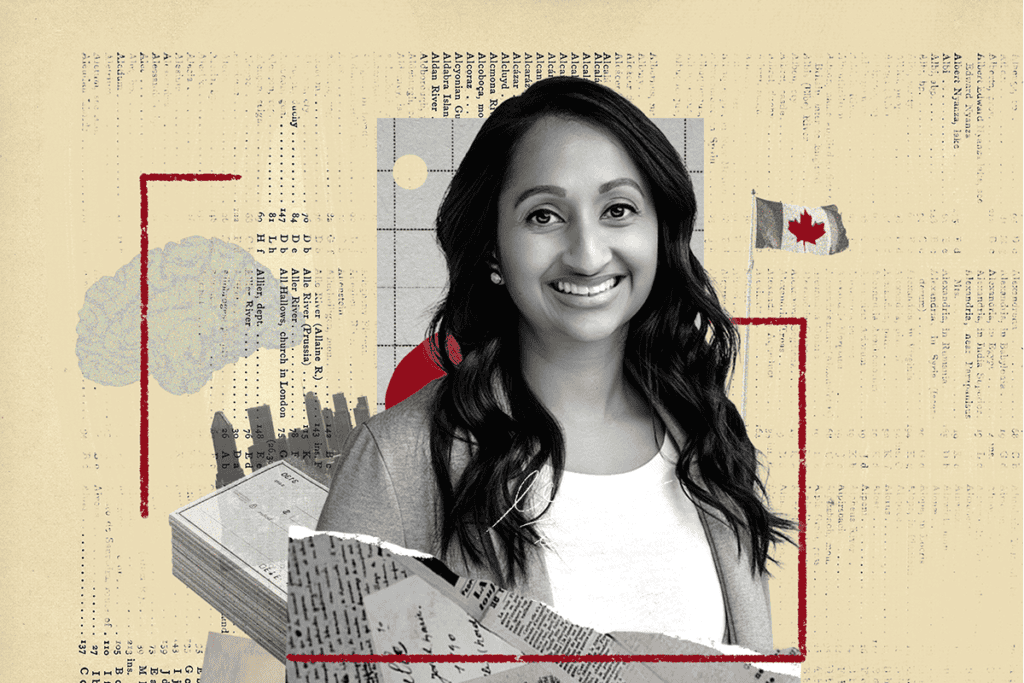
Creating community through grant support
Fiona Sanderson, a senior program manager at the Brain Canada Foundation, shares how she got into grant administration and how she helps connect researchers with funding and one another.
Creating community through grant support
Fiona Sanderson, a senior program manager at the Brain Canada Foundation, shares how she got into grant administration and how she helps connect researchers with funding and one another.
This paper changed my life: A first glimpse into the ‘middle’ of brain processing
Work by Jeffrey Moran and Robert Desimone showed that monkeys could focus their attention on different stimuli in their visual field without shifting their gaze. Their work marked a key milestone in the emergence of cognitive neuroscience.
This paper changed my life: A first glimpse into the ‘middle’ of brain processing
Work by Jeffrey Moran and Robert Desimone showed that monkeys could focus their attention on different stimuli in their visual field without shifting their gaze. Their work marked a key milestone in the emergence of cognitive neuroscience.