Sex differences in the brain
Recent articles
Sex differences are an important and often understudied aspect of brain research. These essays explore new advances, issues and insights in the field.

What birds can teach us about the ‘biological truth’ of sex
Part of our job as educators is to give students a deeper understanding of the true diversity of sex and gender in the natural world.
What birds can teach us about the ‘biological truth’ of sex
Part of our job as educators is to give students a deeper understanding of the true diversity of sex and gender in the natural world.
Keep sex as a biological variable: Don’t let NIH upheaval turn back the clock on scientific rigor
Even in the absence of any formal instruction to do so, we should continue to hold our ourselves and our neuroscience colleagues accountable for SABV practices.
Keep sex as a biological variable: Don’t let NIH upheaval turn back the clock on scientific rigor
Even in the absence of any formal instruction to do so, we should continue to hold our ourselves and our neuroscience colleagues accountable for SABV practices.

Revisiting sex and gender in the brain
To conduct scientifically accurate and socially responsible research, it is useful to think of “sex” as a complex, multifactorial and context-dependent variable.
Revisiting sex and gender in the brain
To conduct scientifically accurate and socially responsible research, it is useful to think of “sex” as a complex, multifactorial and context-dependent variable.
Males and females show different patterns of risk for brain-based conditions. Ignoring these differences does us all a disservice.
Although studying sex differences in the brain is complex, technically awkward and socioculturally loaded, it is absolutely essential.
Males and females show different patterns of risk for brain-based conditions. Ignoring these differences does us all a disservice.
Although studying sex differences in the brain is complex, technically awkward and socioculturally loaded, it is absolutely essential.
Brains, biases and amyloid beta: Why the female brain deserves a closer look in Alzheimer’s research
New results suggest the disease progresses differently in women, but we need more basic science to unpack the mechanisms involved.
Brains, biases and amyloid beta: Why the female brain deserves a closer look in Alzheimer’s research
New results suggest the disease progresses differently in women, but we need more basic science to unpack the mechanisms involved.
Explore more from The Transmitter
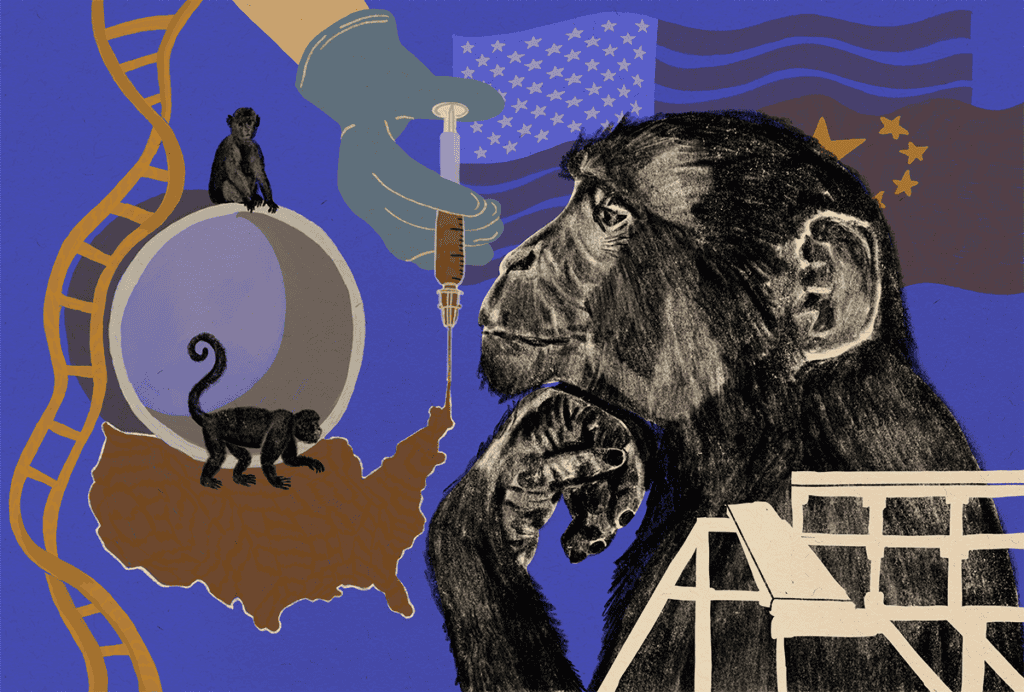
U.S. national primate research centers face an uncertain future
The facilities were meant to last 100 years. Four decades shy of that mark, amid flatlined funds and mounting political pressure, their directors are trying to find a path forward.
U.S. national primate research centers face an uncertain future
The facilities were meant to last 100 years. Four decades shy of that mark, amid flatlined funds and mounting political pressure, their directors are trying to find a path forward.
What if nonhuman primate research goes away?
As the U.S. government takes steps to stop using nonhuman primates in research, The Transmitter investigates what that shift could mean for neuroscience.
What if nonhuman primate research goes away?
As the U.S. government takes steps to stop using nonhuman primates in research, The Transmitter investigates what that shift could mean for neuroscience.
The neuroscience questions that need nonhuman primates
The Transmitter asked 17 neuroscientists what questions might remain unanswered if support for nonhuman primate research continues to decline.
The neuroscience questions that need nonhuman primates
The Transmitter asked 17 neuroscientists what questions might remain unanswered if support for nonhuman primate research continues to decline.