Opportunity to opine: As the autism research community gears up for the annual meeting of the International Society for Autism Research, which starts tomorrow in Prague, Czech Republic, prominent researchers are expressing their views in published editorials. Geraldine Dawson of Duke University articulates the tensions within the autism community: Some say researchers should prioritize supports and services for autistic people, whereas others advocate for putting an emphasis on genetic research for those with high support needs. Lester Liao of McGill University and Eric Fombonne of Oregon Health & Science University argue that overdiagnosis of autism leads to harm. Boston College’s Kristen Bottema-Beutel reveals ableist perspectives that she says permeate federal guidance on autism in the United States.
Autism research spotted this week:
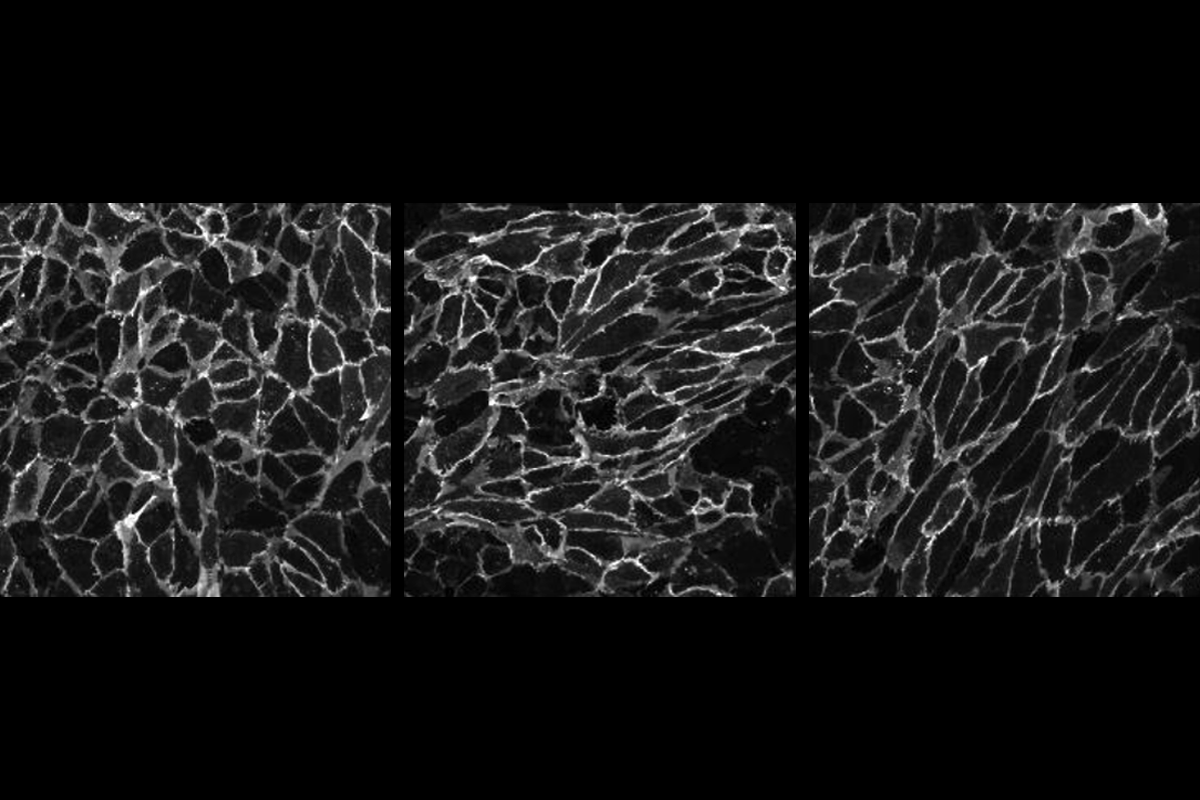
- “Scaffold protein SHANK3 regulates endothelial cell motility and tissue mechanics” bioRxiv