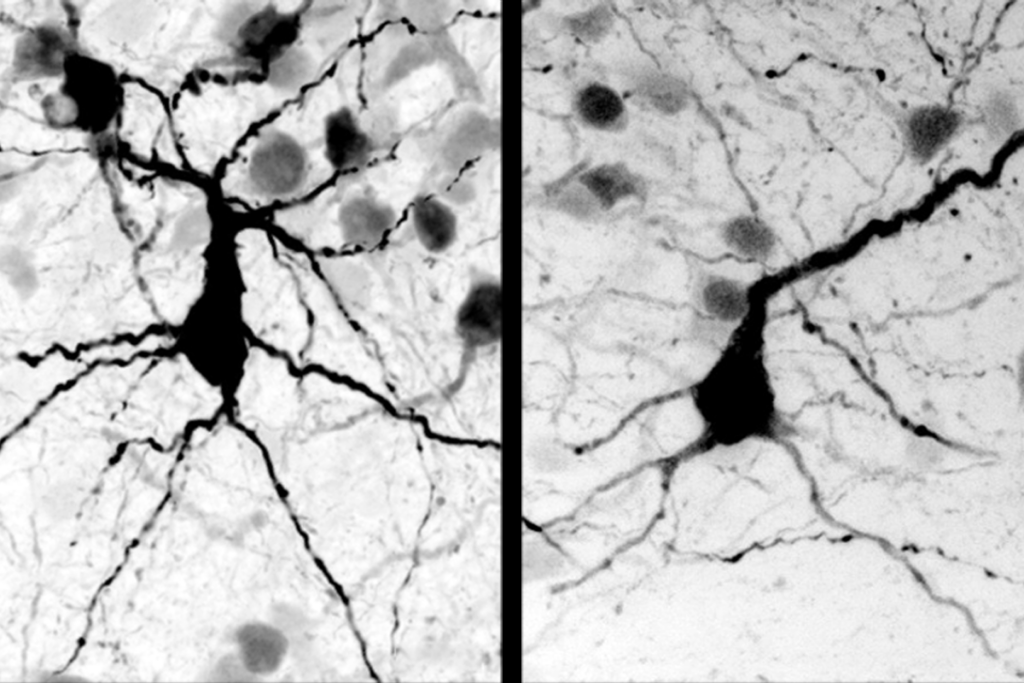
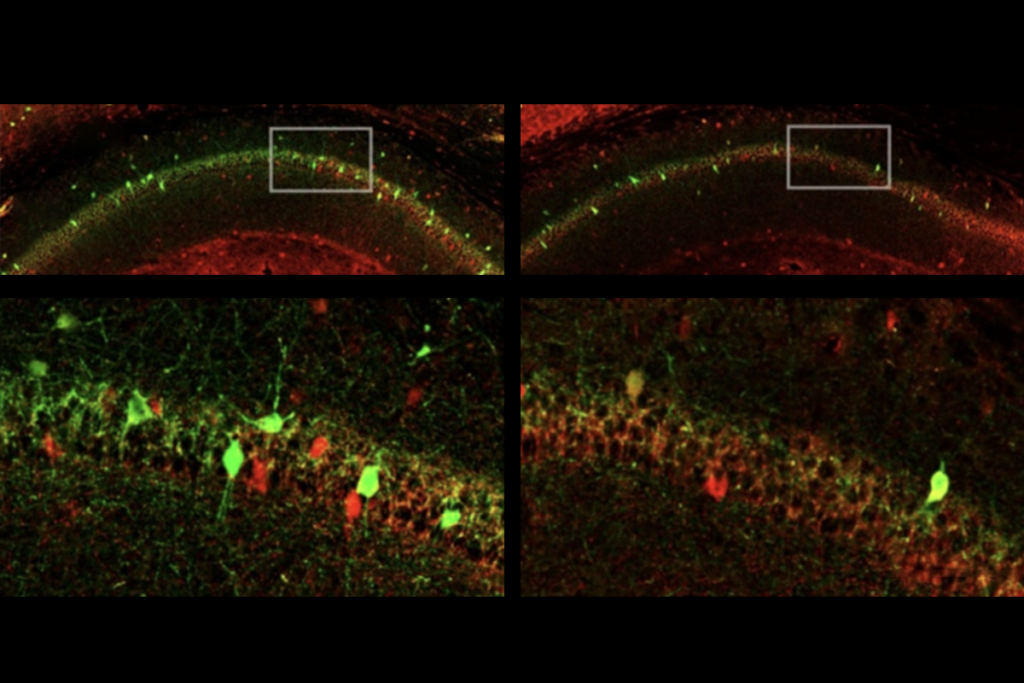
Essential workers: A new study details the molecular pathways that connect cortical interneuron dysfunction to neurodevelopmental conditions such as autism and epilepsy. Variants of the ARX gene, which encodes a transcription factor, lead to impaired cell cycles and altered migration of interneurons. The LOM1 gene, a downstream target, plays a role in how ARX affects the number and distribution of interneurons, particularly those containing parvalbumin. Consistent with the study’s findings in mice, a person with ARX-related syndrome displayed a loss of parvalbumin-containing interneurons.
Autism research spotted this week:
- “Time trends in the male to female ratio for autism incidence: Population based, prospectively collected, birth cohort study” The BMJ
- “Spatially resolved molecular sex differences at single-cell resolution in the adult human ventromedial and arcuate hypothalamus” Cell Reports
- “Sub-groups of spoken language and broader communication skills in a large heterogenous cohort of minimally verbal school-age children: Evidence of discrepant profiles” Molecular Autism