Facing emotions: Generative modeling of dynamic neural data makes it possible to more fully describe the brain areas and connections that underlie facial emotion processing, according to a new preprint. To characterize network activity, investigators collected magneto- and electroencephalograms from people responding to happy or angry faces. They parsed these data into six modes of neural processing, including visual, sensorimotor and temporal. Further, the age range of participants (5 to 40 years) gave the researchers the means to characterize developmental trajectories of functional networks across the whole brain in neurotypical people, which can serve as a framework for comparison with people with neurodevelopmental conditions such as autism.
Autism research spotted this week:
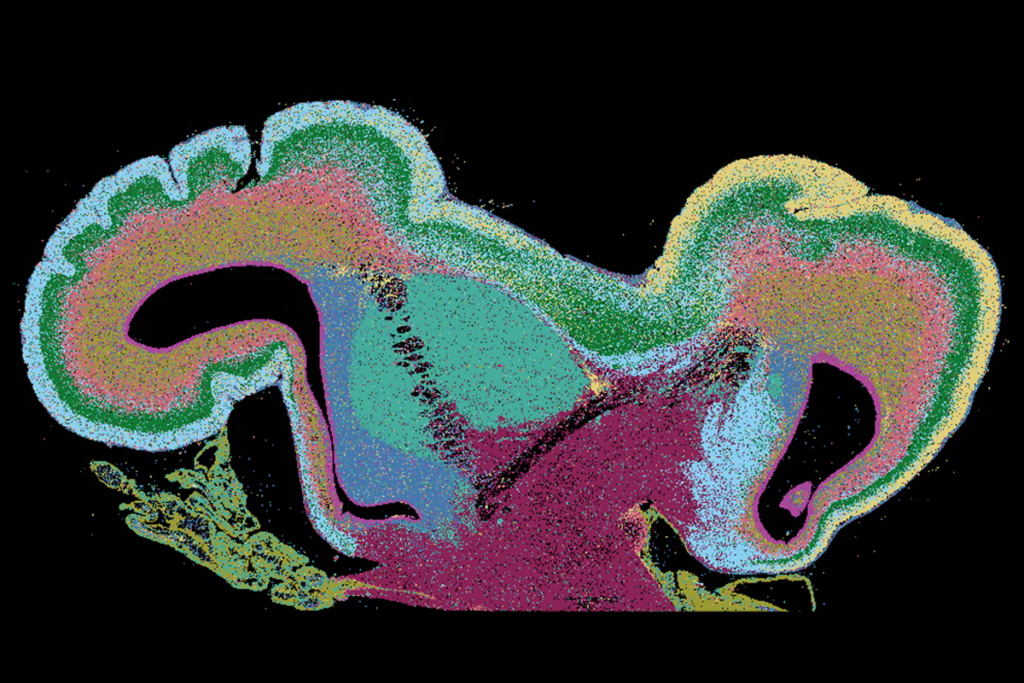
- “An integrated single cell and spatial omics atlas of human prenatal development” bioRxiv
- “Developmental transcriptomic analysis of cultured primary mouse cortical neurons reveals sex-specific expression of neuropeptides” bioRxiv
- “Genotype-phenotype correlations and putative modifier genes in SYNGAP1 encephalopathy” Neurobiology of Disease
See also: “SYNGAP1 findings illuminate links between mutations, intellectual disability” - “Macrophage-mediated refinement of the dural lymphatic regulates social behavior” Neuron
- “In first meeting, federal autism committee focuses on ‘profound autism’” STAT
- “Americans support autism research, but don’t know about brain donation” Autism BrainNet(Autism BrainNet is an initiative of the Simons Foundation, The Transmitter’s parent organization.)