Single-gene systems-level effects, and more

Here is a roundup of autism-related news and research spotted around the web for the week of 6 April.

By Jill Adams
7 April 2026 | 2 min read

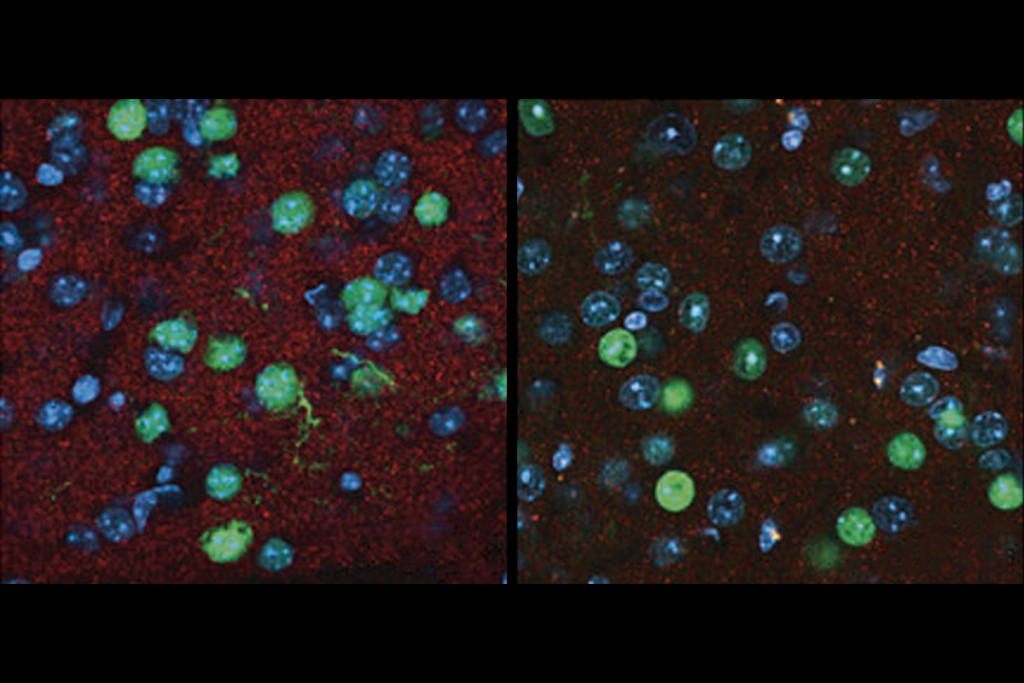
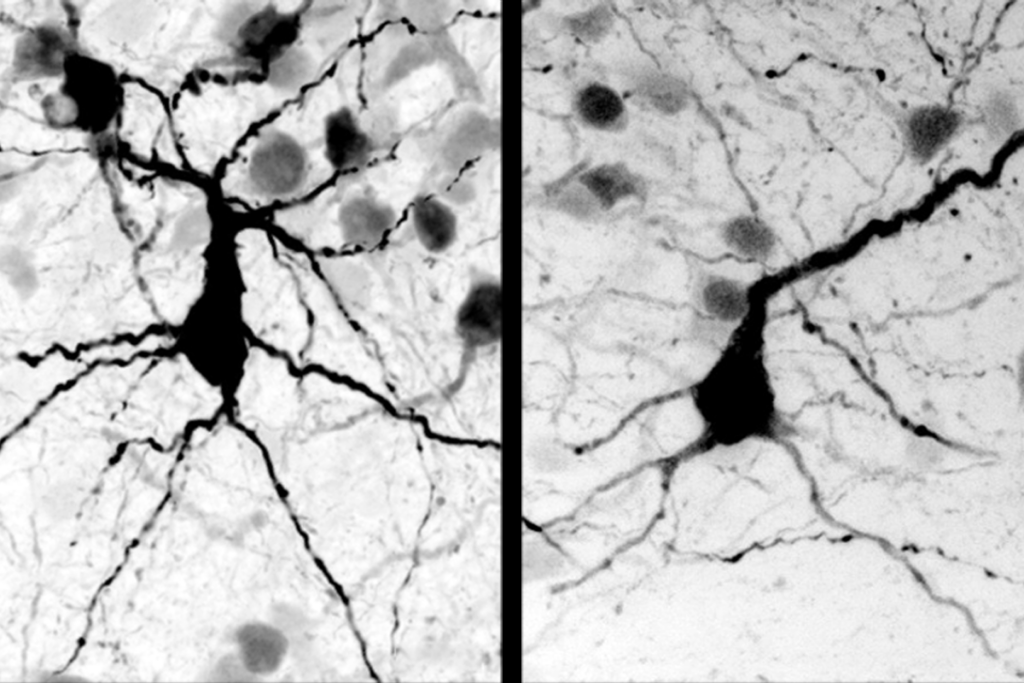
Opposite day: Neurodevelopmental conditions may arise from disruptions in the systems-level maturation of neuronal circuits, according to a new preprint. The investigators compared the effects of SYNGAP1 haploinsufficiency in mice with the effects of SYNGAP1 disruption in cortical excitatory neurons. The former induced two altered and opposing patterns of neuronal activity in the cortex, whereas the latter induced only one change. Altered SYNGAP1 functioning during this developmental window of circuit assembly offers clues to how co-occurring hypo- and hyperfunctional network states arise. The Transmitter has previously covered efforts to investigate this gene in the hopes of identifying therapeutic avenues for SYNGAP1-related intellectual disability.  

Autism research spotted this week: 

  • “Inflammation increases the penetrance of behavioral impairment in SHANK3 haploinsufficiency mice—can it explain the behavioral regression in autism?” Molecular Psychiatry
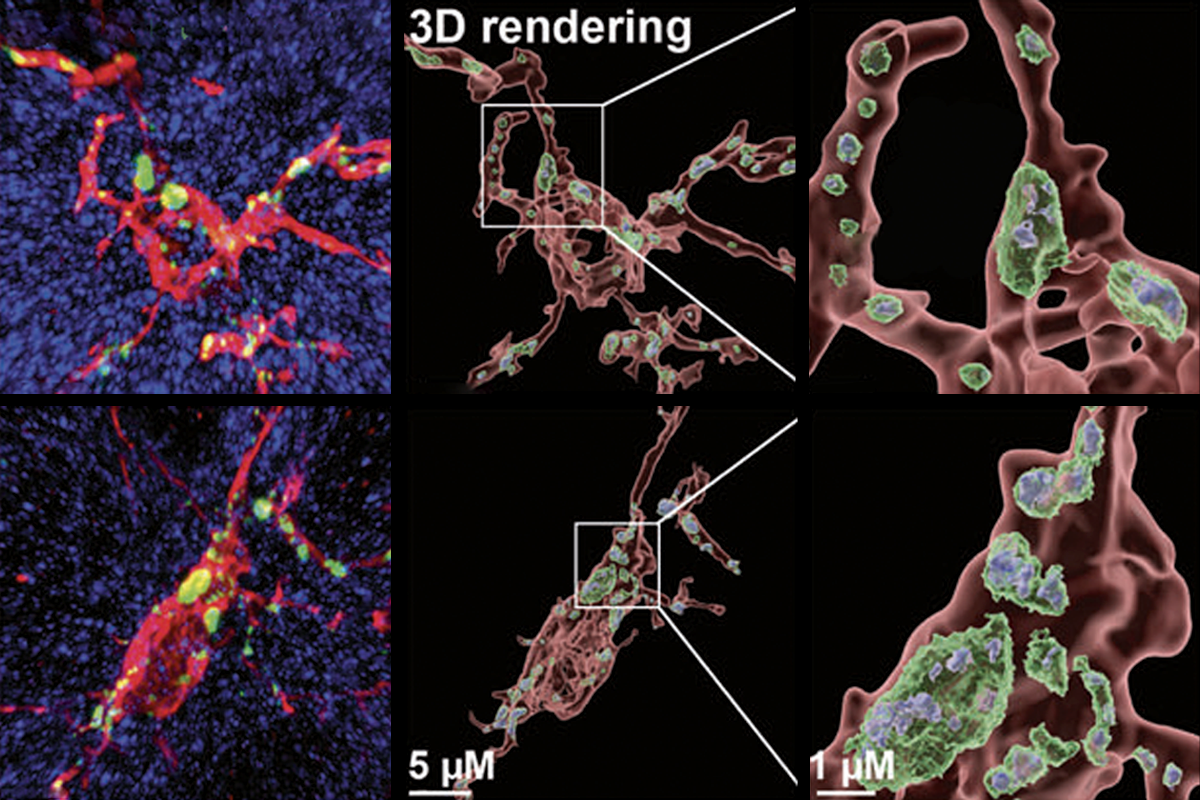
Research image of mice microglia.
All you can eat: Overactive microglia from mice carrying a SHANK3 variant engulf more synaptic material during an inflammatory response (bottom panels) than microglia in wildtype mice do (top panels).
  • “Task-based functional connectivity in striato-motor-cortical system in autism: Associations with sex and executive function” bioRxiv 
  • “Monoallelic and biallelic KDM5A variants identified in patients with autism spectrum disorder” Human Genetics and Genomics Advances
  • “Racial and ethnic differences in rates of prolonged autism diagnosis process & prior diagnoses in mental health specialty care” Journal of Autism and Developmental Disorders
  • “Decreased BOLD signal variability in middle-aged and older adults on the autism spectrum” Autism Research

Sign up for the weekly Spectrum newsletter.

Stay current with the latest advancements in autism research.