Top long-form
Recent articles
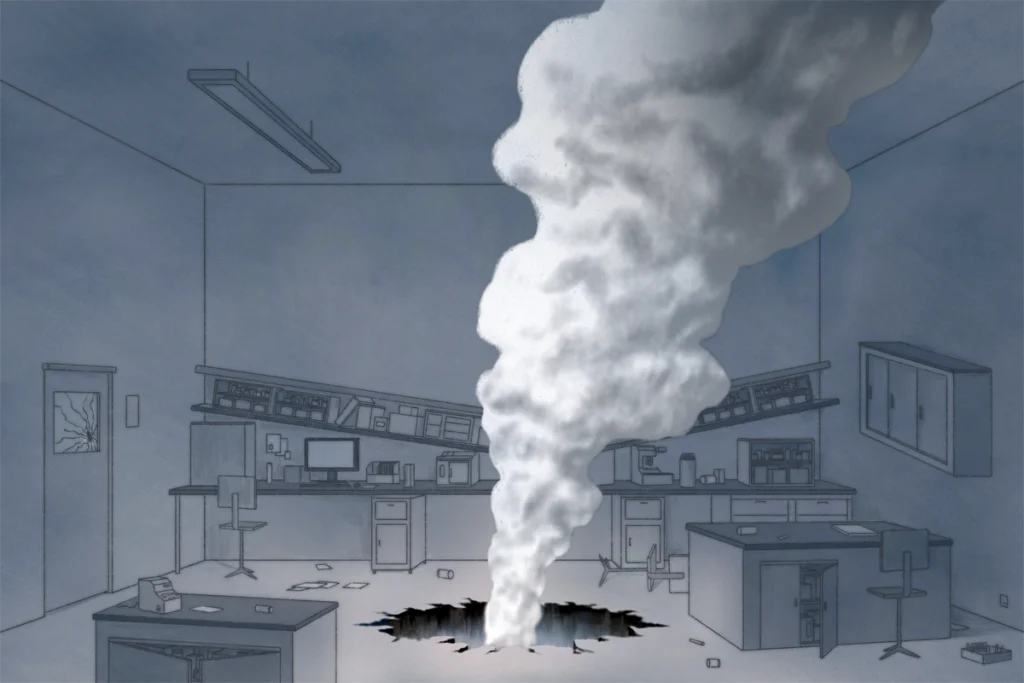
The Transmitter’s favorite features of 2024
Our chosen stories include tales about research misconduct in the lab, a neuroscientist working at the end of the world, and the passing of neuroanatomy’s “great-grandfather,” Harvey Karten.
The Transmitter’s favorite features of 2024
Our chosen stories include tales about research misconduct in the lab, a neuroscientist working at the end of the world, and the passing of neuroanatomy’s “great-grandfather,” Harvey Karten.
Going deep: The Transmitter’s top long-form stories in 2023
Our favorite features and book excerpts from the past year delved into the neurobiology of cancer; problems with survey data; free will; mathematical minds; and questions around one startup’s quest to treat brain conditions with cell therapies.
Going deep: The Transmitter’s top long-form stories in 2023
Our favorite features and book excerpts from the past year delved into the neurobiology of cancer; problems with survey data; free will; mathematical minds; and questions around one startup’s quest to treat brain conditions with cell therapies.
Explore more from The Transmitter
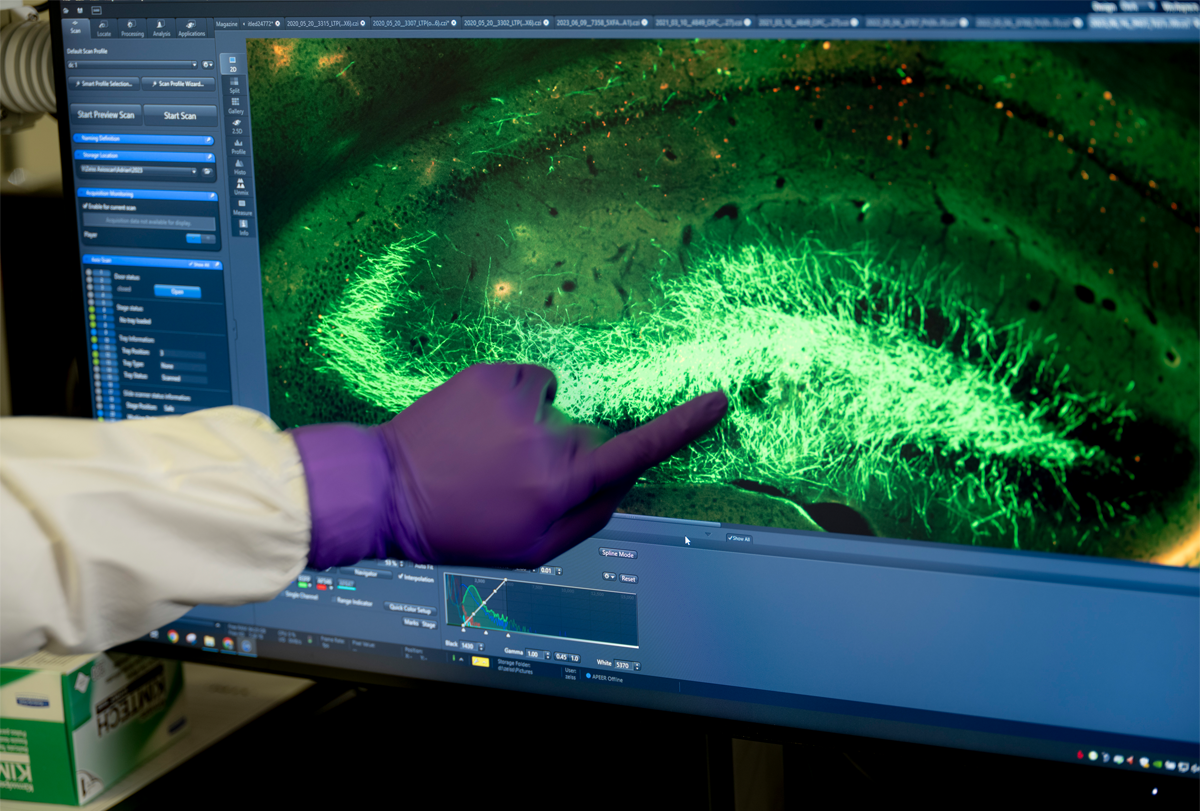
The silent majority: How astrocytes shape the brain across scales
Melissa Cooper talks to Mac Shine about her new work that reveals how these glial cells—long dismissed as the brain’s housekeepers—wire together in precise, long-range networks that remodel in response to experience.
The silent majority: How astrocytes shape the brain across scales
Melissa Cooper talks to Mac Shine about her new work that reveals how these glial cells—long dismissed as the brain’s housekeepers—wire together in precise, long-range networks that remodel in response to experience.
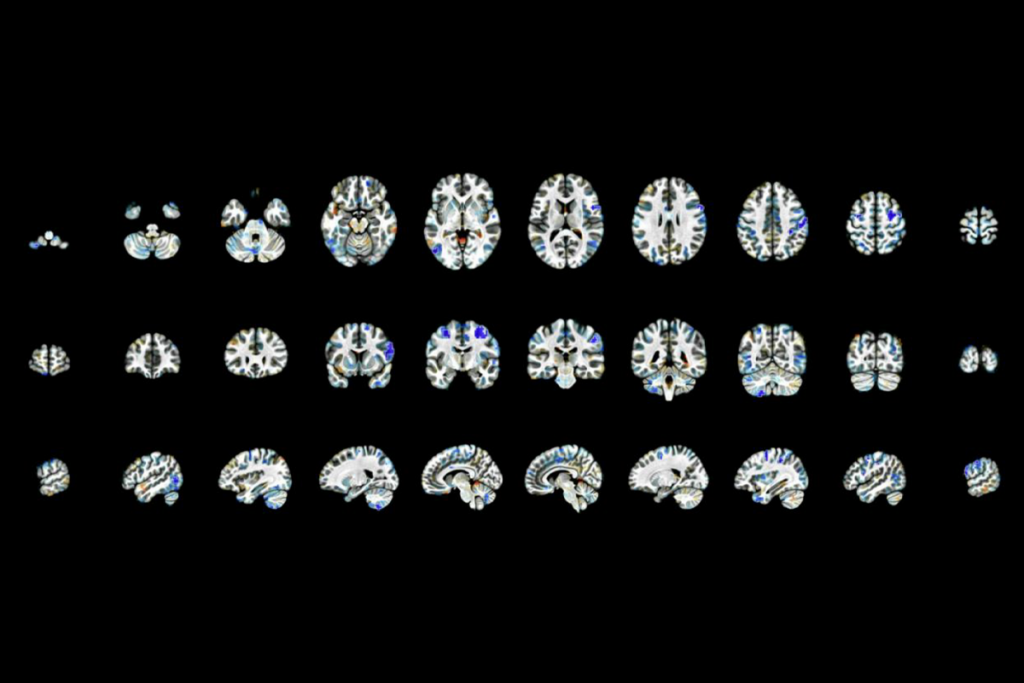
Untangling genetic effects, and more
Here is a roundup of autism-related news and research spotted around the web for the week of 11 May.
Untangling genetic effects, and more
Here is a roundup of autism-related news and research spotted around the web for the week of 11 May.
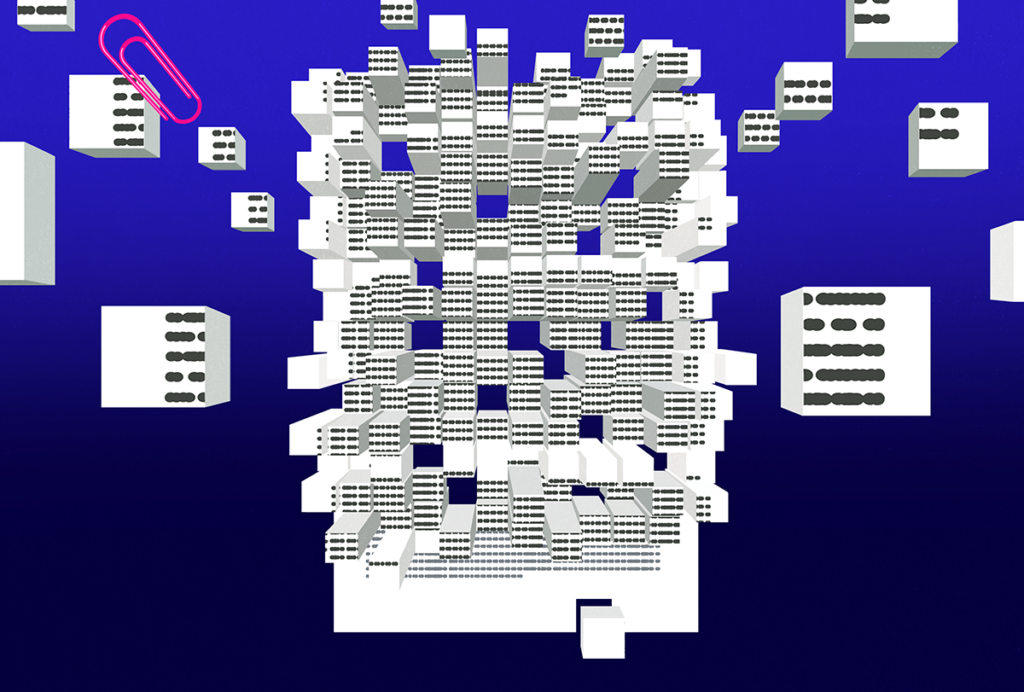
The next unit of science: Is the scientific paper due to be replaced?
Artificial intelligence is pushing scientific publishing to the brink. For a field as sprawling as neuroscience, the crisis may also be an opportunity to finally connect findings across subfields.
The next unit of science: Is the scientific paper due to be replaced?
Artificial intelligence is pushing scientific publishing to the brink. For a field as sprawling as neuroscience, the crisis may also be an opportunity to finally connect findings across subfields.