Traumatic brain injury
Recent articles

Exclusive: Brain and spinal cord institute halts research, citing funding problems
The Burke Neurological Institute, which calls itself “the only research institute in the U.S. dedicated to finding treatments to repair the brain and spinal cord,” ceased research operations on 22 May.
Exclusive: Brain and spinal cord institute halts research, citing funding problems
The Burke Neurological Institute, which calls itself “the only research institute in the U.S. dedicated to finding treatments to repair the brain and spinal cord,” ceased research operations on 22 May.
How goats can model neurodegeneration
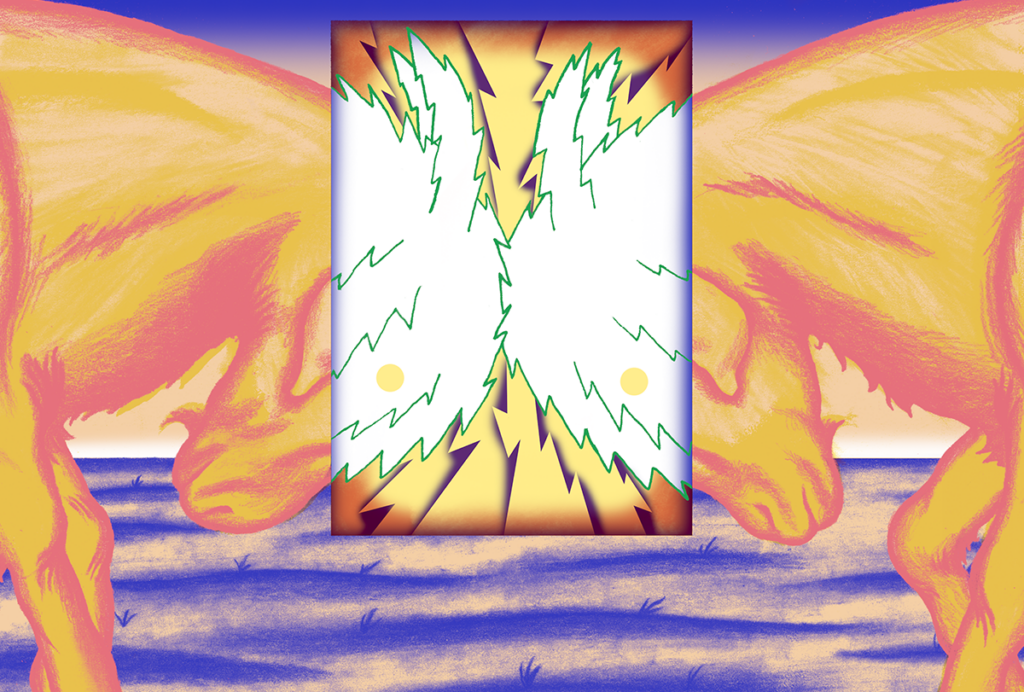
Since debunking an urban legend that headbutting animals don’t damage their brain, Nicole Ackermans has been investigating how the behavior correlates with neurodegeneration.
How goats can model neurodegeneration
Since debunking an urban legend that headbutting animals don’t damage their brain, Nicole Ackermans has been investigating how the behavior correlates with neurodegeneration.
Pooling data points to new potential treatment for spinal cord injury
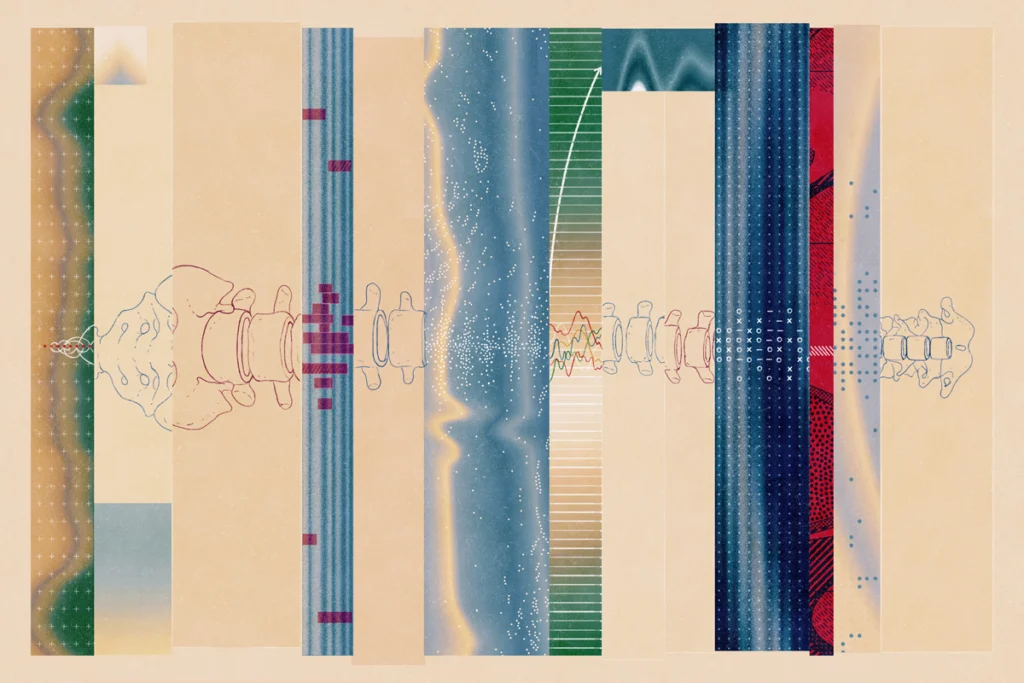
By gathering raw data from multiple labs, we identified an overlooked predictor of recovery after spinal cord injury. Many more insights remain trapped in scattered data.
Pooling data points to new potential treatment for spinal cord injury
By gathering raw data from multiple labs, we identified an overlooked predictor of recovery after spinal cord injury. Many more insights remain trapped in scattered data.
Explore more from The Transmitter
The term ‘model organism’ should be reserved for biological systems
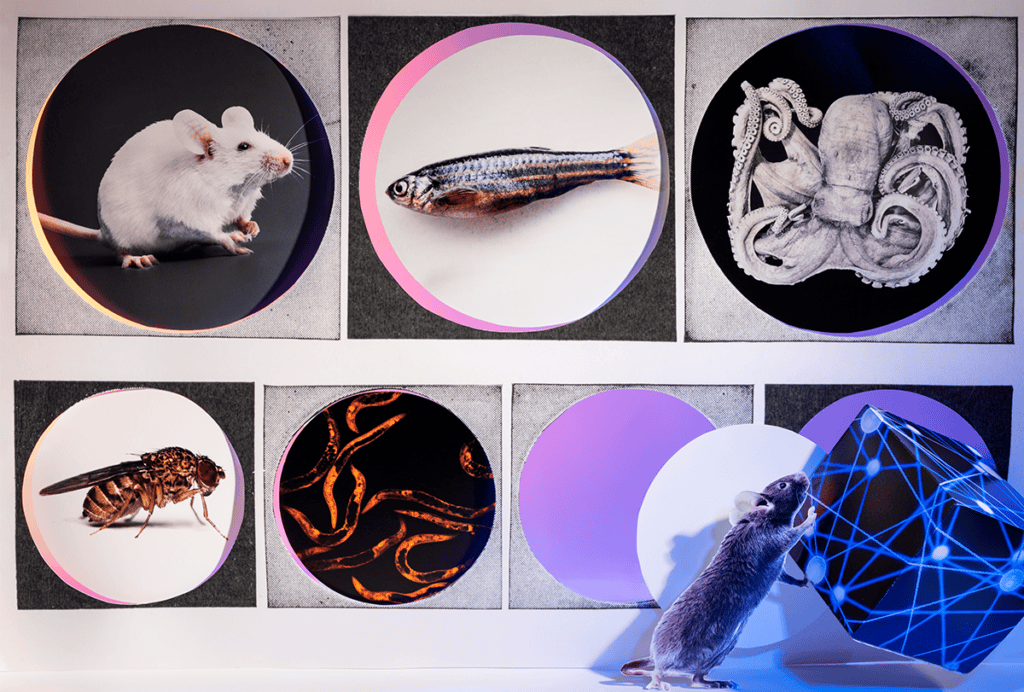
By referring to artificial neural networks as model organisms, we run the risk of distorting funding priorities and disregard the explanatory power of a shared evolutionary history across biological organisms.
The term ‘model organism’ should be reserved for biological systems
By referring to artificial neural networks as model organisms, we run the risk of distorting funding priorities and disregard the explanatory power of a shared evolutionary history across biological organisms.
New phase of BRAIN Initiative spawns basal ganglia ‘parts list’
With a standardized cell naming system and infrastructure for data collection and analysis, the basal ganglia project sets the stage for a whole-brain primate atlas.
New phase of BRAIN Initiative spawns basal ganglia ‘parts list’
With a standardized cell naming system and infrastructure for data collection and analysis, the basal ganglia project sets the stage for a whole-brain primate atlas.
Machine-learning model spots autism-linked variants that scramble splicing
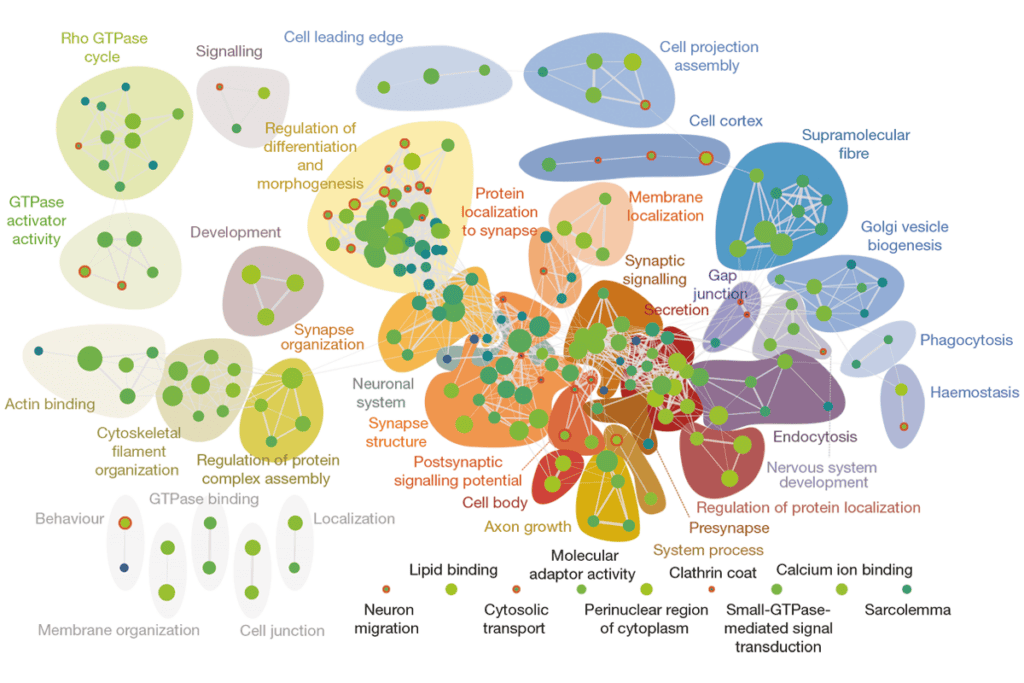
The model provides a way to investigate genetic variation in regions of the genome whose functions have been difficult to interpret.
Machine-learning model spots autism-linked variants that scramble splicing
The model provides a way to investigate genetic variation in regions of the genome whose functions have been difficult to interpret.