ASHG 2014
Recent articles
Autism risk region arose during human evolution
Humans may be uniquely prone to rearrangements of chromosome 16 that lead to autism, according to preliminary results presented Saturday at the American Society of Human Genetics Annual Meeting in San Diego.
Autism risk region arose during human evolution
Humans may be uniquely prone to rearrangements of chromosome 16 that lead to autism, according to preliminary results presented Saturday at the American Society of Human Genetics Annual Meeting in San Diego.

Autism-linked deletion sparks symptoms via many genes
Deletion or duplication of 16p11.2, a chromosomal region linked to autism, may trigger symptoms via the interactions of genes both within and outside the region at a key point in development. Researchers presented these preliminary results Sunday at the 2014 American Society of Human Genetics Annual Meeting in San Diego.
Autism-linked deletion sparks symptoms via many genes
Deletion or duplication of 16p11.2, a chromosomal region linked to autism, may trigger symptoms via the interactions of genes both within and outside the region at a key point in development. Researchers presented these preliminary results Sunday at the 2014 American Society of Human Genetics Annual Meeting in San Diego.
Massive sequencing database helps interpret mutations’ role
Researchers have analyzed more than 90,000 exomes — the protein-coding regions of the genome — the largest such set yet, they announced Monday at the American Society of Human Genetics Annual Meeting in San Diego. The resource gives scientists an invaluable tool to probe the significance of specific mutations.
Massive sequencing database helps interpret mutations’ role
Researchers have analyzed more than 90,000 exomes — the protein-coding regions of the genome — the largest such set yet, they announced Monday at the American Society of Human Genetics Annual Meeting in San Diego. The resource gives scientists an invaluable tool to probe the significance of specific mutations.
Scientists plan to release thousands of whole autism genomes
Researchers have sequenced the whole genomes of 1,000 people with autism and their parents, they announced yesterday at the American Society of Human Genetics Annual Meeting in San Diego. These sequences, and another 1,000 that are on the way, will eventually be freely available online.
Scientists plan to release thousands of whole autism genomes
Researchers have sequenced the whole genomes of 1,000 people with autism and their parents, they announced yesterday at the American Society of Human Genetics Annual Meeting in San Diego. These sequences, and another 1,000 that are on the way, will eventually be freely available online.
Whole-genome sequencing reveals new types of autism risk
Much of the genetic risk for autism may reside in regulatory regions of the genome, hidden from traditional methods of sequence analysis. That's the upshot of preliminary results from three studies presented yesterday at the American Society of Human Genetics Annual Meeting in San Diego.
Whole-genome sequencing reveals new types of autism risk
Much of the genetic risk for autism may reside in regulatory regions of the genome, hidden from traditional methods of sequence analysis. That's the upshot of preliminary results from three studies presented yesterday at the American Society of Human Genetics Annual Meeting in San Diego.
Explore more from The Transmitter
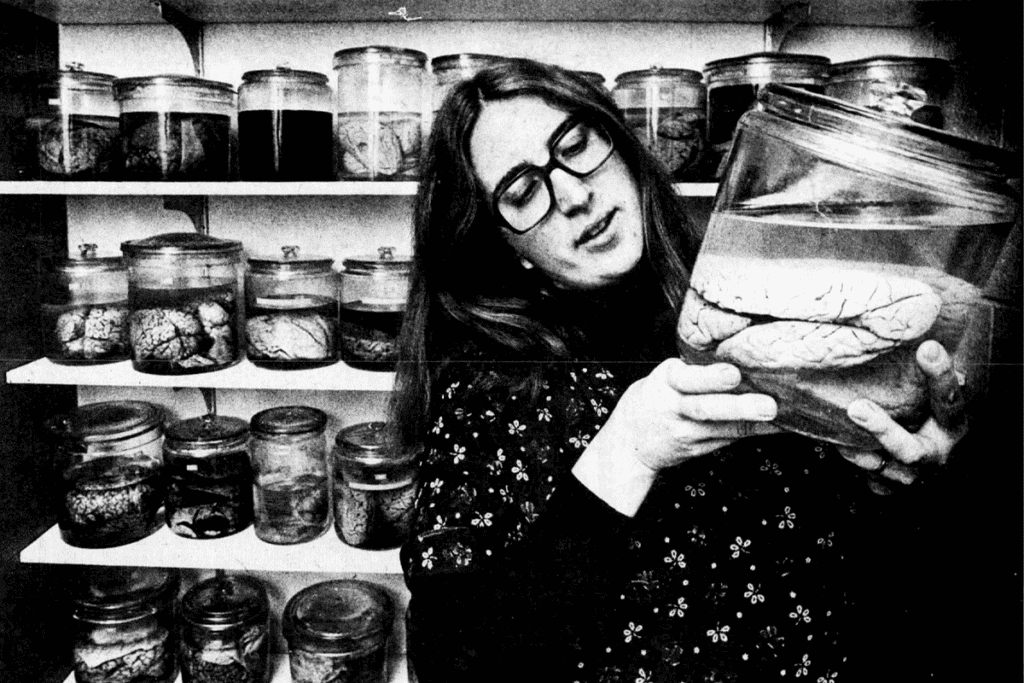
Remembering Barbara Finlay, ‘maverick’ of evolutionary neuroscience
Finlay, who died on 12 September, championed the idea that developmental constraints dictate how evolution sculpts brains, a concept she used to model the timing of hundreds of events and align them across mammalian species.
Remembering Barbara Finlay, ‘maverick’ of evolutionary neuroscience
Finlay, who died on 12 September, championed the idea that developmental constraints dictate how evolution sculpts brains, a concept she used to model the timing of hundreds of events and align them across mammalian species.
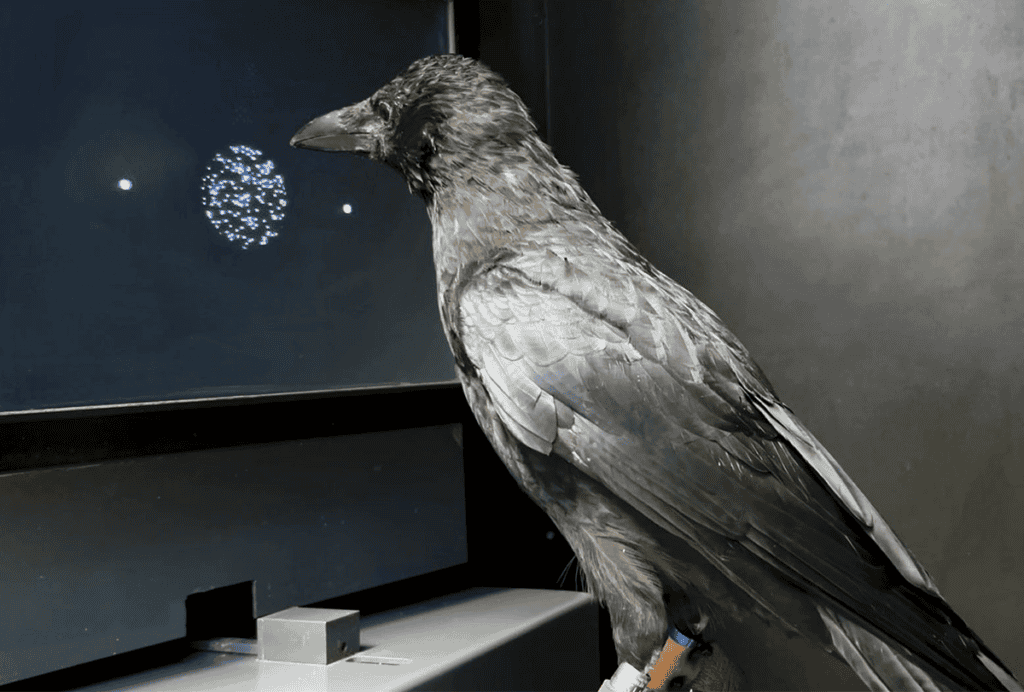
Crows have brains ‘in the fast lane’
The birds accurately complete decision-making tasks twice as fast as primates, although their endbrains look considerably different.
Crows have brains ‘in the fast lane’
The birds accurately complete decision-making tasks twice as fast as primates, although their endbrains look considerably different.

Prevalence of profound autism declines with new definition
The updated, more precise definition used in a CDC study includes adaptive scores.
Prevalence of profound autism declines with new definition
The updated, more precise definition used in a CDC study includes adaptive scores.