Autism and the arts
Recent articles
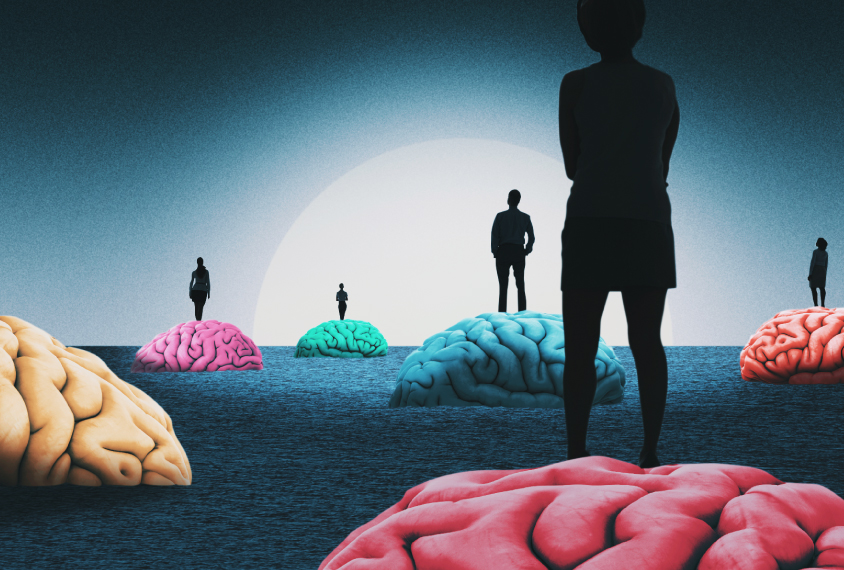
Book Review: ‘Nobody’s Normal’ chronicles the intertwined history of mental illness and stigma
Anthropologist and autism expert Richard Roy Grinker’s latest title reveals how our definitions of mental illnesses and notions of ‘normality’ reek of cultural biases that stop many from seeking help.
Book Review: ‘Nobody’s Normal’ chronicles the intertwined history of mental illness and stigma
Anthropologist and autism expert Richard Roy Grinker’s latest title reveals how our definitions of mental illnesses and notions of ‘normality’ reek of cultural biases that stop many from seeking help.

Inside a summer camp for autistic children in Russia
Photographs show how a camp in St. Petersburg this summer helped children on the spectrum and their families find some fun during the pandemic.
Inside a summer camp for autistic children in Russia
Photographs show how a camp in St. Petersburg this summer helped children on the spectrum and their families find some fun during the pandemic.
Explore more from The Transmitter
Neuroscience conference policy draws confusion, apology
NeurIPS organizers apologized and altered course after issuing a policy that barred submissions from researchers at U.S.-government-sanctioned institutions.
Neuroscience conference policy draws confusion, apology
NeurIPS organizers apologized and altered course after issuing a policy that barred submissions from researchers at U.S.-government-sanctioned institutions.

Funding for animal research alternatives reaches ‘inflection point’
The United States and Europe are dedicating hundreds of millions of dollars in funding to advance novel alternative methods, but not all neuroscientists see this as a positive step.
Funding for animal research alternatives reaches ‘inflection point’
The United States and Europe are dedicating hundreds of millions of dollars in funding to advance novel alternative methods, but not all neuroscientists see this as a positive step.

‘Friction-maxxing’ in school: Students should read primary literature, not AI summaries
Trainees need to learn how to identify a neuroscience paper’s major takeaways and integrate them into their understanding. This skill doesn’t come from outsourcing the work to large language models.
‘Friction-maxxing’ in school: Students should read primary literature, not AI summaries
Trainees need to learn how to identify a neuroscience paper’s major takeaways and integrate them into their understanding. This skill doesn’t come from outsourcing the work to large language models.