Emotion
Recent articles
Why emotion research is stuck—and how to move it forward
Studying how organisms infer indirect threats and understand changing contexts can establish a common framework that bridges species and levels of analysis.
Why emotion research is stuck—and how to move it forward
Studying how organisms infer indirect threats and understand changing contexts can establish a common framework that bridges species and levels of analysis.
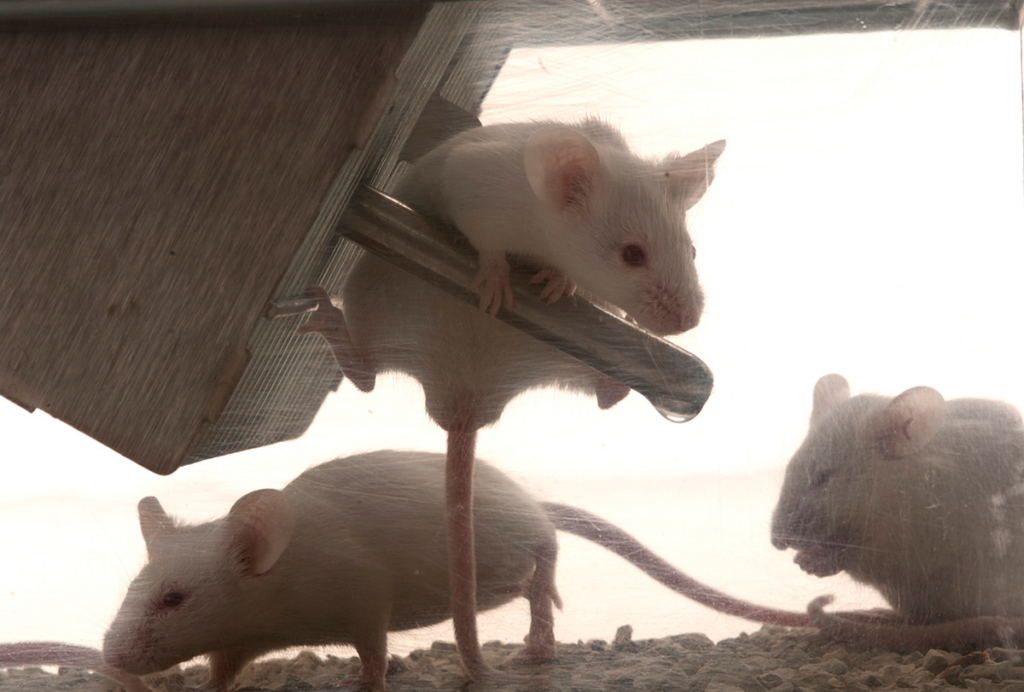
Cracking the neural code for emotional states
Rather than act as a simple switchboard for innate behaviors, the hypothalamus encodes an animal's internal state, which influences behavior.
Cracking the neural code for emotional states
Rather than act as a simple switchboard for innate behaviors, the hypothalamus encodes an animal's internal state, which influences behavior.
Explore more from The Transmitter
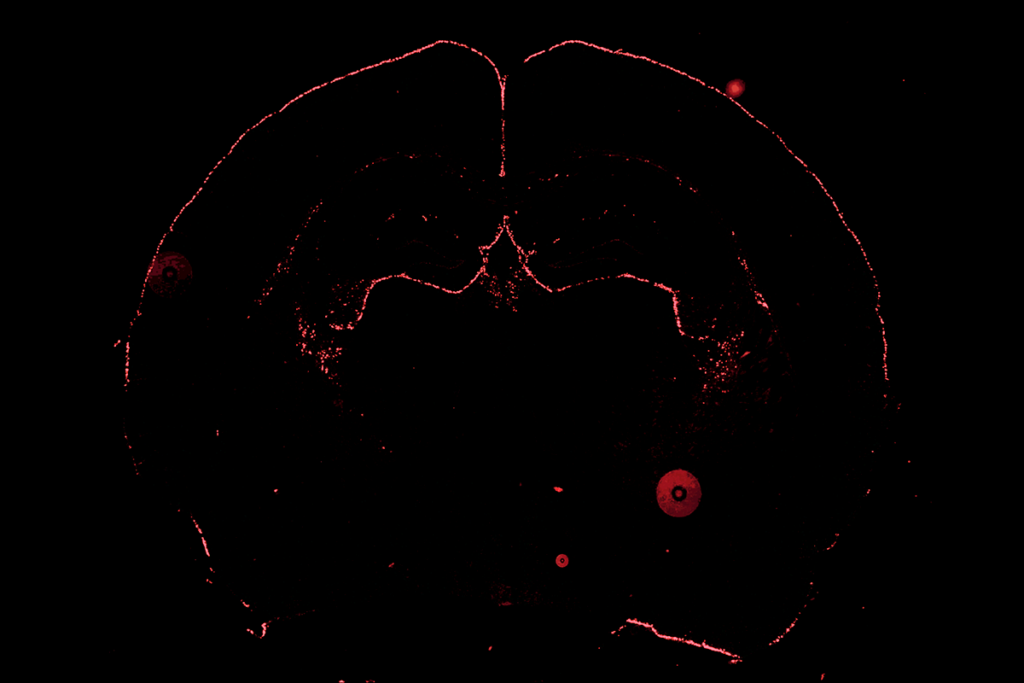
Taking a closer look at astrocytes and autism
These glial cells are increasingly linked to neurodevelopmental conditions and the regulation of social behaviors and anxiety.
Taking a closer look at astrocytes and autism
These glial cells are increasingly linked to neurodevelopmental conditions and the regulation of social behaviors and anxiety.
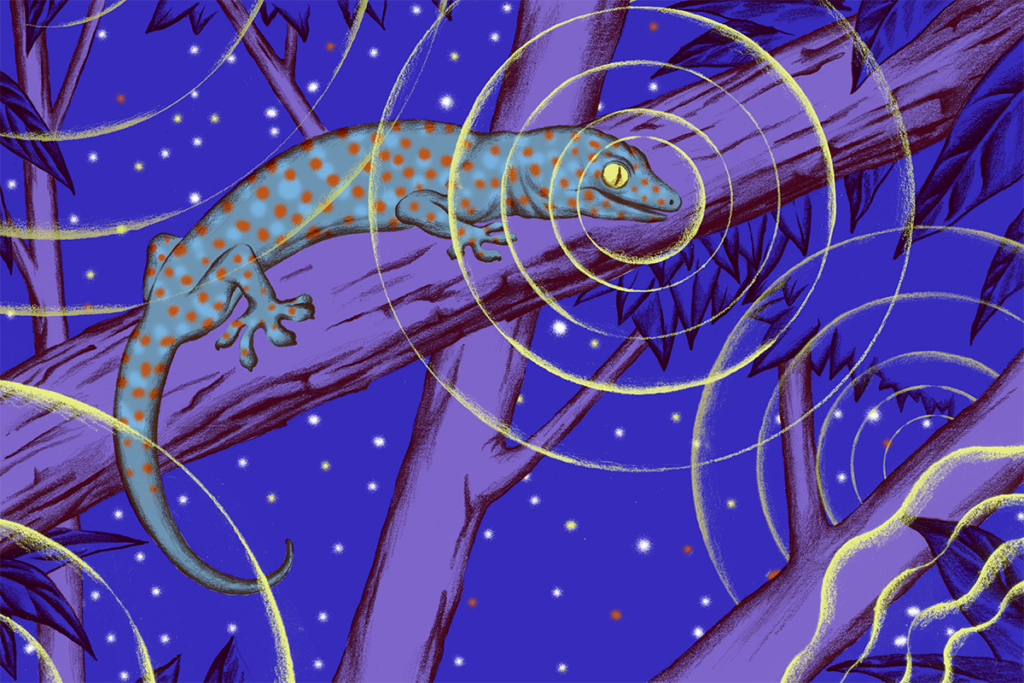
Neuro’s ark: Sounding out the evolution of hearing with geckos
Catherine Carr explains her discovery that geckos retain a vibration-sensing pathway previously thought to be lost when animals moved onto land.
Neuro’s ark: Sounding out the evolution of hearing with geckos
Catherine Carr explains her discovery that geckos retain a vibration-sensing pathway previously thought to be lost when animals moved onto land.
Researchers retract multisensory learning paper after failed replications
Even though one set of experiments did not hold up, the authors stand by the original conclusions of the work and plan to resubmit it as a new paper.
Researchers retract multisensory learning paper after failed replications
Even though one set of experiments did not hold up, the authors stand by the original conclusions of the work and plan to resubmit it as a new paper.