Neuroimaging
Recent articles

What are the most-cited neuroscience papers from the past 30 years?
Highly cited papers reflect the surge in artificial-intelligence research in the field and other technical advances, plus prizewinning work on analgesics, the fusiform face area and ion channels.
What are the most-cited neuroscience papers from the past 30 years?
Highly cited papers reflect the surge in artificial-intelligence research in the field and other technical advances, plus prizewinning work on analgesics, the fusiform face area and ion channels.
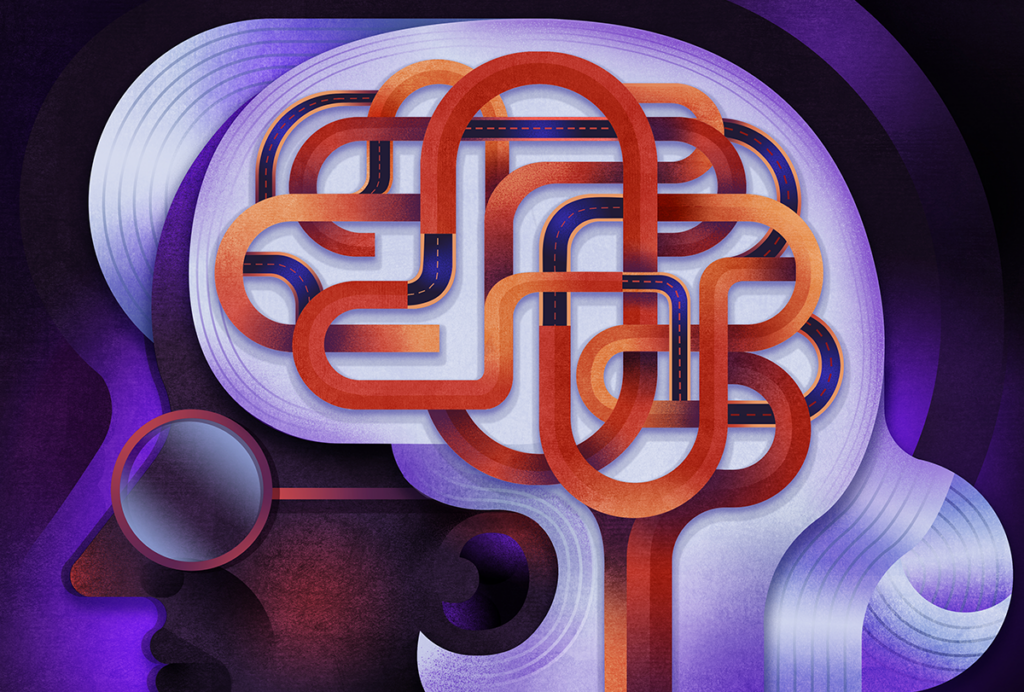
Aging as adaptation: Learning the brain’s recipe for resilience
Some age-related changes in the brain and in behavior are not solely the result of cognitive decline but rather part of a larger adaptive process.
Aging as adaptation: Learning the brain’s recipe for resilience
Some age-related changes in the brain and in behavior are not solely the result of cognitive decline but rather part of a larger adaptive process.
Explore more from The Transmitter
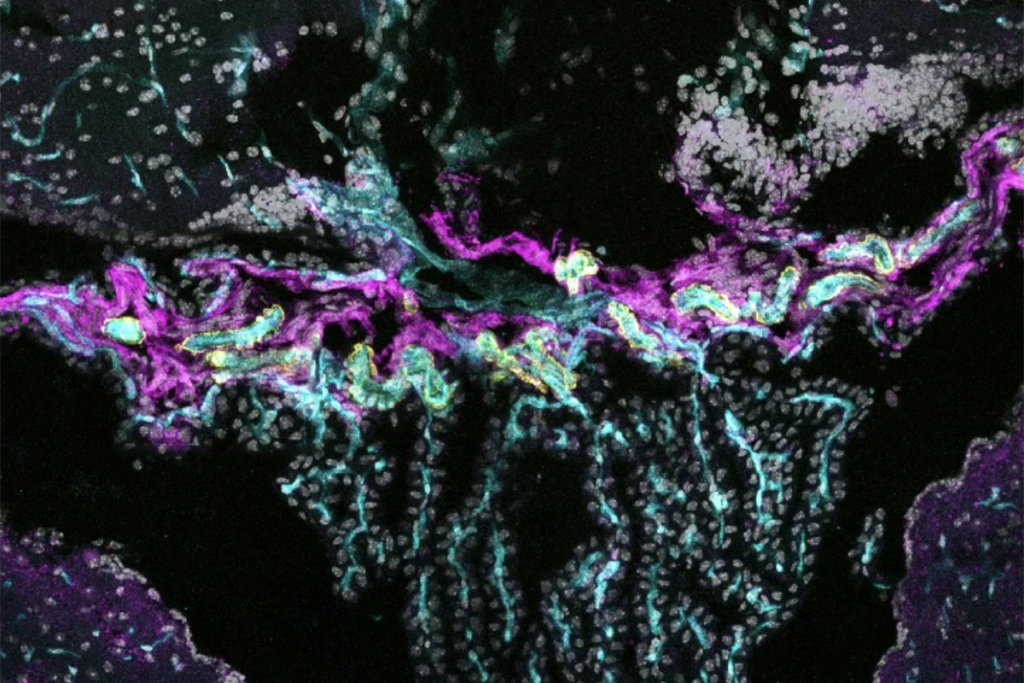
Newly identified barrier cells seal off choroid plexus from CSF, rest of brain
A long-overlooked layer of fibroblasts exists inside the choroid plexus of mice and humans, adding complexity to the area’s compartmentalization.
Newly identified barrier cells seal off choroid plexus from CSF, rest of brain
A long-overlooked layer of fibroblasts exists inside the choroid plexus of mice and humans, adding complexity to the area’s compartmentalization.
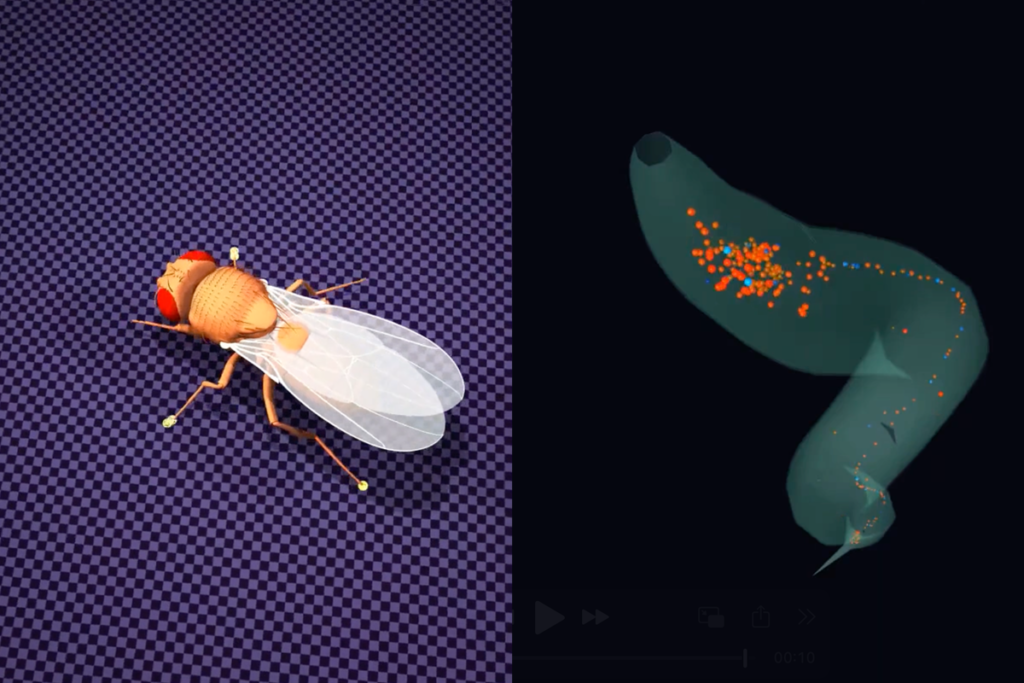
‘Digital sphinx’ raises questions about connectome models
The sphinx, with a worm’s brain and a fly’s body, illustrates the potential pitfalls of using deep-learning techniques to model biological processes.
‘Digital sphinx’ raises questions about connectome models
The sphinx, with a worm’s brain and a fly’s body, illustrates the potential pitfalls of using deep-learning techniques to model biological processes.
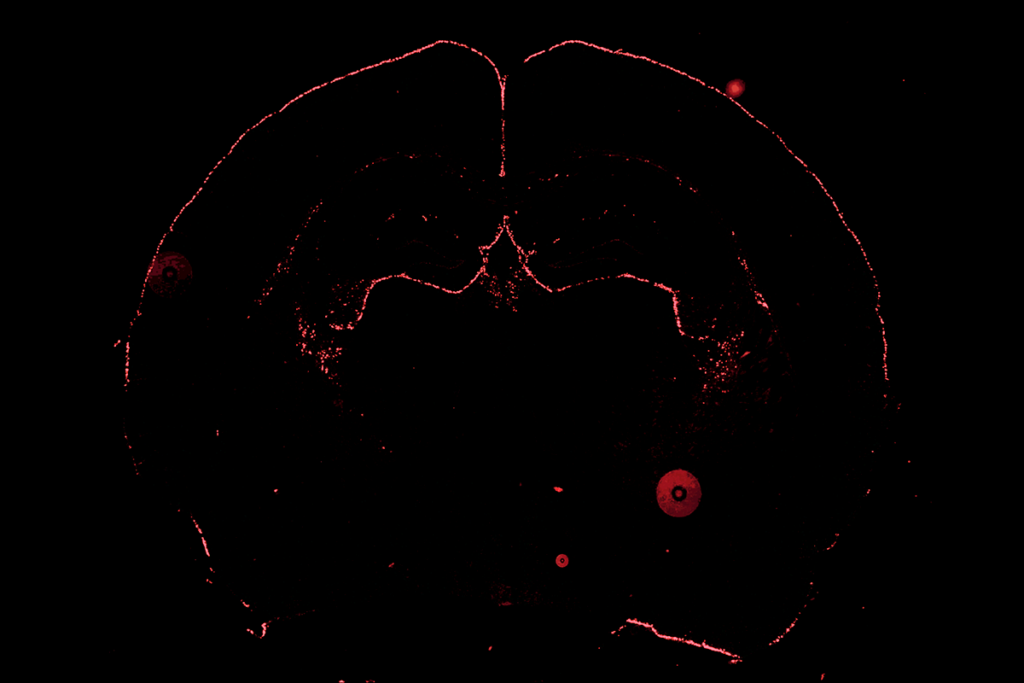
Taking a closer look at astrocytes and autism
These glial cells are increasingly linked to neurodevelopmental conditions and the regulation of social behaviors and anxiety.
Taking a closer look at astrocytes and autism
These glial cells are increasingly linked to neurodevelopmental conditions and the regulation of social behaviors and anxiety.