Sleep
Recent articles
Snoozing dragons stir up ancient evidence of sleep’s dual nature
Deep-sleep cycling between brain waves of higher and lower amplitude dates far back on the evolutionary tree, according to a new comparative study of mammals and reptiles.
Snoozing dragons stir up ancient evidence of sleep’s dual nature
Deep-sleep cycling between brain waves of higher and lower amplitude dates far back on the evolutionary tree, according to a new comparative study of mammals and reptiles.
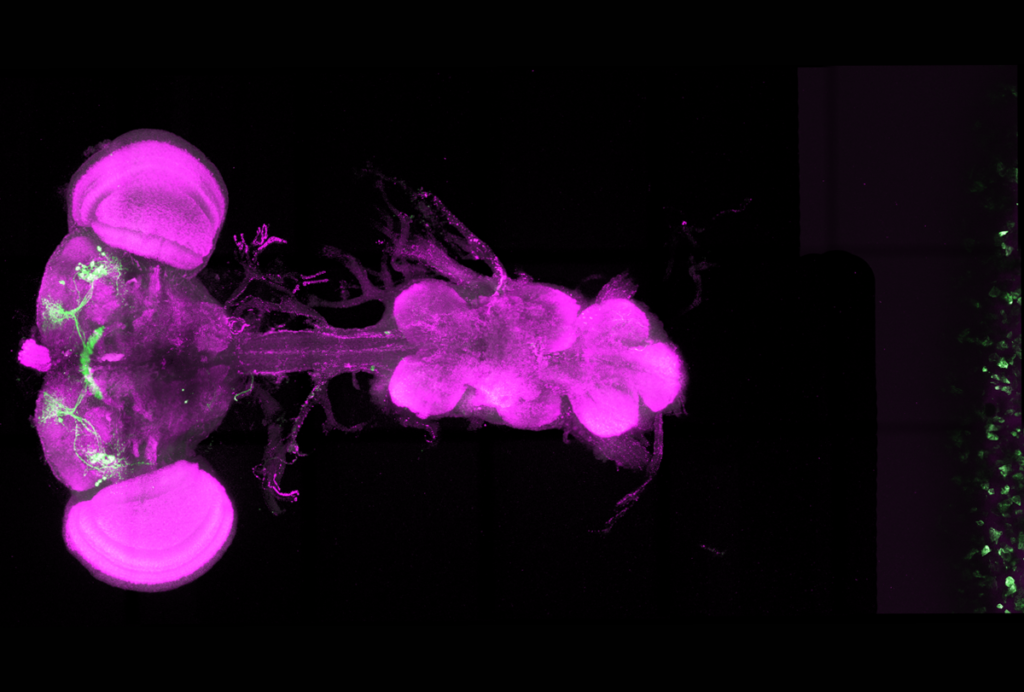
Mitochondria set ‘ancient’ metabolic thermostat for sleep in flies, separate from circadian rhythms
During waking hours, a specialized set of sleep neurons in the fly brain accumulates reactive oxygen species, which eventually trigger sleep to clean up and repair the damage they do.
Mitochondria set ‘ancient’ metabolic thermostat for sleep in flies, separate from circadian rhythms
During waking hours, a specialized set of sleep neurons in the fly brain accumulates reactive oxygen species, which eventually trigger sleep to clean up and repair the damage they do.
‘Bird Brains and Behavior,’ an excerpt
In their new book, published today, Georg Striedter and Andrew Iwaniuk dive deep into the latest research on the neural mechanisms of avian behavior. This excerpt from Chapter 2 explores how birds sleep.
‘Bird Brains and Behavior,’ an excerpt
In their new book, published today, Georg Striedter and Andrew Iwaniuk dive deep into the latest research on the neural mechanisms of avian behavior. This excerpt from Chapter 2 explores how birds sleep.
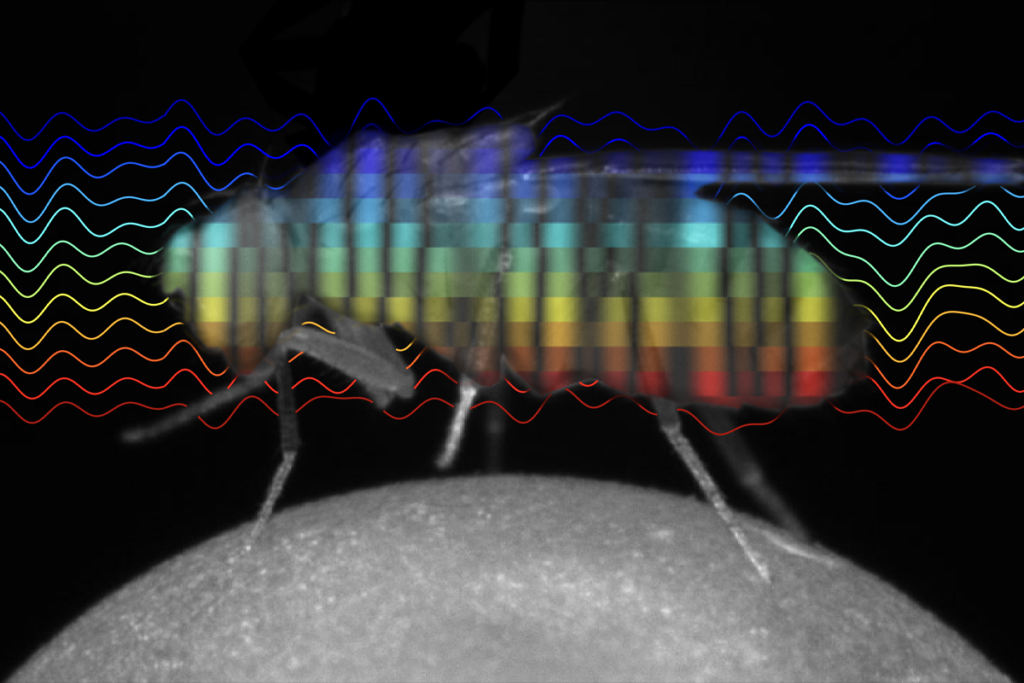
Drosophila, like vertebrates, filter sensory information during sleep
Predictive sensory processing in sleeping Drosophila echoes vertebrate research, establishing an evolutionarily conserved neural signature of sleep.
Drosophila, like vertebrates, filter sensory information during sleep
Predictive sensory processing in sleeping Drosophila echoes vertebrate research, establishing an evolutionarily conserved neural signature of sleep.
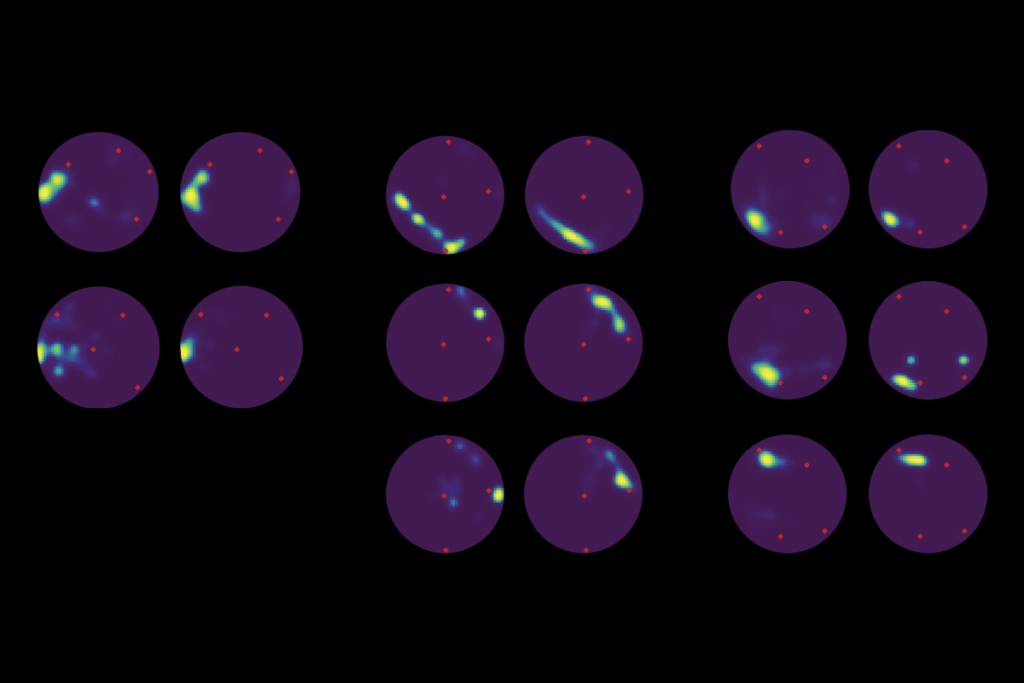
Sleep doesn’t just consolidate memories; it actively shapes them
The rapid eye movement (REM) phase preserves newly acquired memories, but deeper non-REM sleep helps to adapt and update them, according to “heroic” day-long electrode recordings in rats.
Sleep doesn’t just consolidate memories; it actively shapes them
The rapid eye movement (REM) phase preserves newly acquired memories, but deeper non-REM sleep helps to adapt and update them, according to “heroic” day-long electrode recordings in rats.
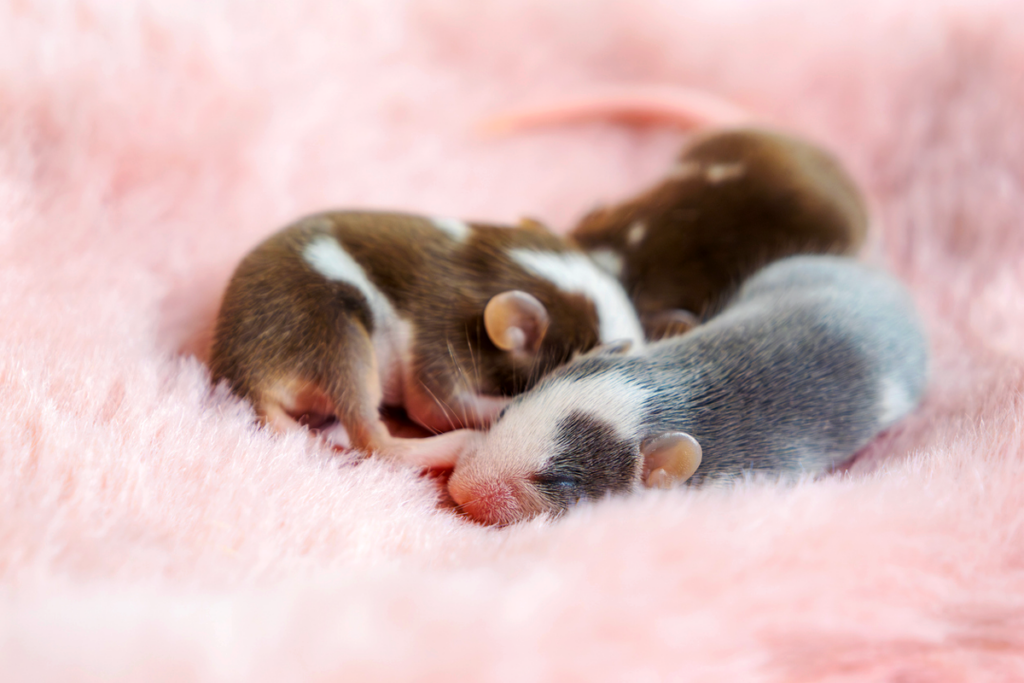
Fleeting sleep interruptions may help brain reset
Brief, seconds-long microarousals during deep sleep “ride on the wave” of locus coeruleus activity in mice and correlate with periods of waste clearing and memory consolidation, new research suggests.
Fleeting sleep interruptions may help brain reset
Brief, seconds-long microarousals during deep sleep “ride on the wave” of locus coeruleus activity in mice and correlate with periods of waste clearing and memory consolidation, new research suggests.
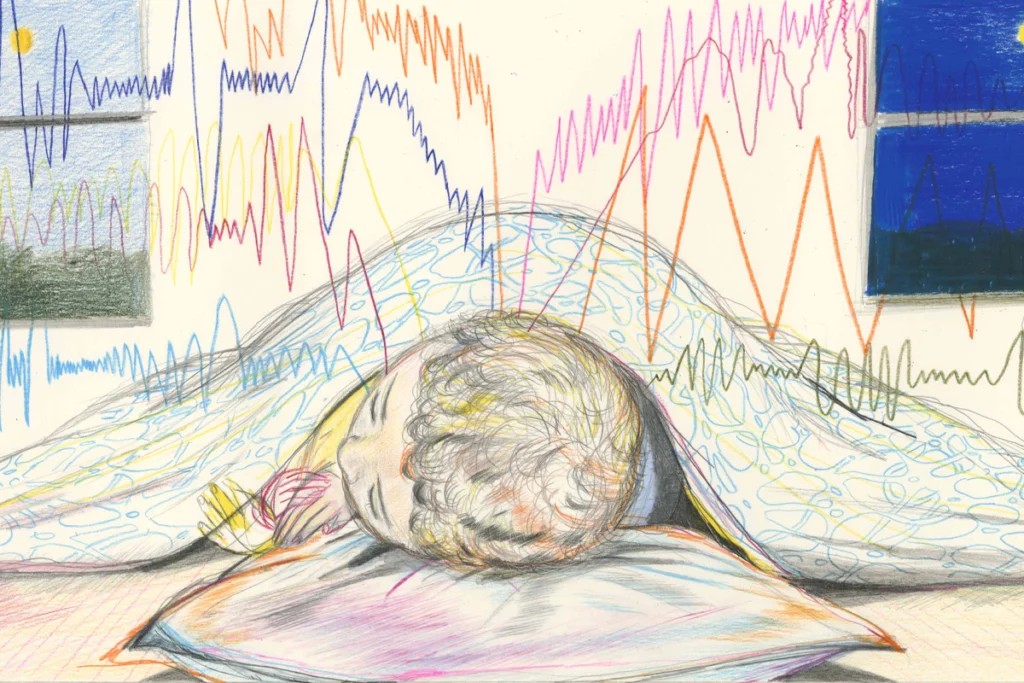
Exploring the connection between autism and sleep
The Transmitter rounds up the latest research on autism and sleep.
Exploring the connection between autism and sleep
The Transmitter rounds up the latest research on autism and sleep.
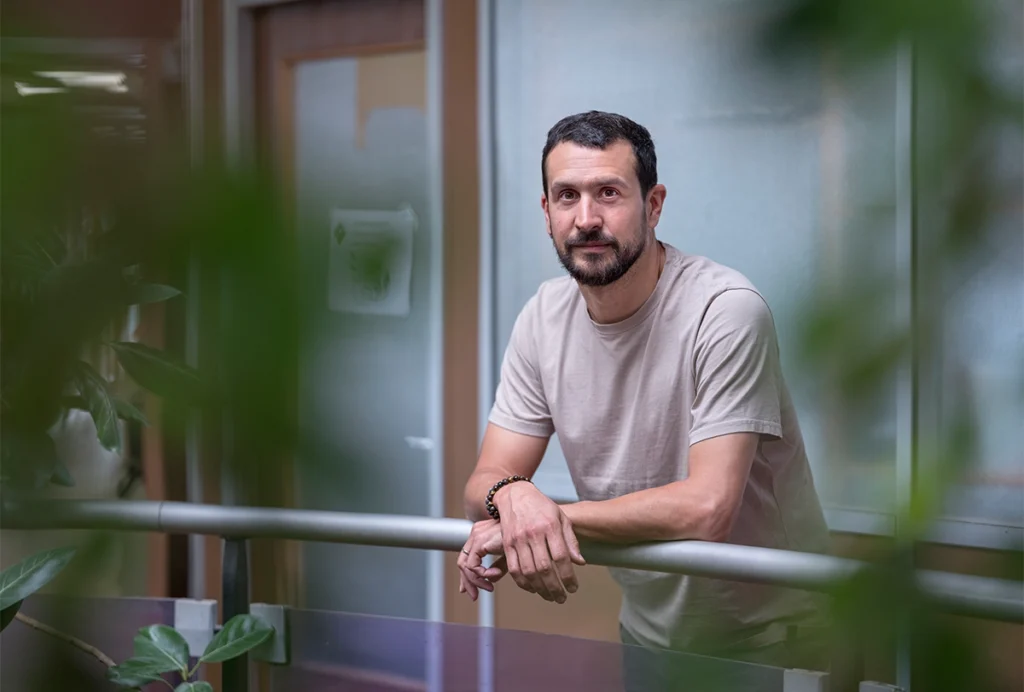
At the end of the earth with Paul-Antoine Libourel
The French researcher’s accomplishments working with chinstrap penguins in the Antarctic highlight the importance of recording sleep in the wild.
At the end of the earth with Paul-Antoine Libourel
The French researcher’s accomplishments working with chinstrap penguins in the Antarctic highlight the importance of recording sleep in the wild.
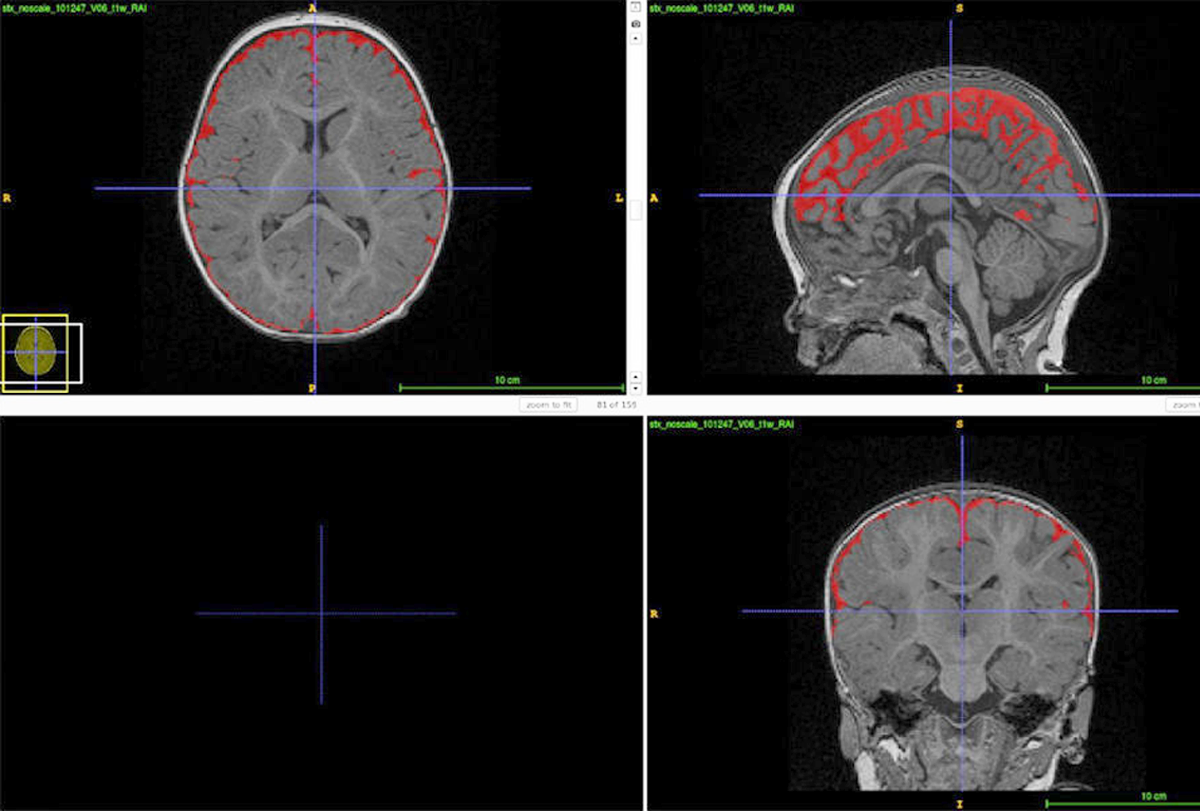
Is excess brain fluid an early marker of autism?
Brain scans of hundreds of infants suggest that up to 80 percent of those with autism have unusual amounts of cerebrospinal fluid. Researchers are studying how this might contribute to the condition.
Is excess brain fluid an early marker of autism?
Brain scans of hundreds of infants suggest that up to 80 percent of those with autism have unusual amounts of cerebrospinal fluid. Researchers are studying how this might contribute to the condition.
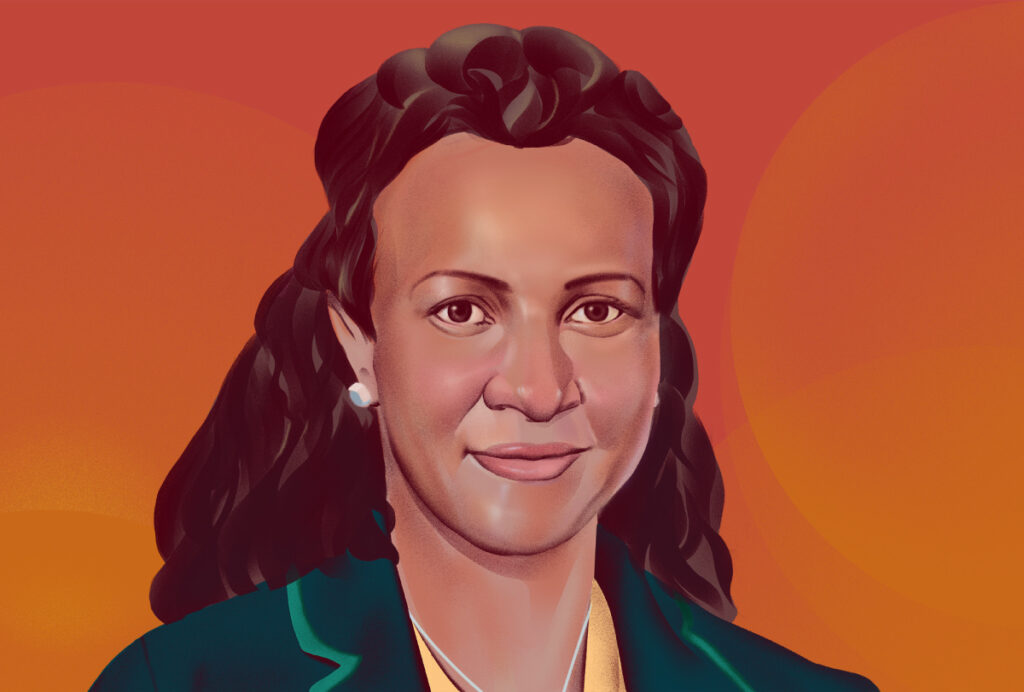
The sleep/wake cycle and autism with Ashura Buckley
The NIH neurologist talks about her research, her family and how mental health labels can be limiting.
The sleep/wake cycle and autism with Ashura Buckley
The NIH neurologist talks about her research, her family and how mental health labels can be limiting.
Explore more from The Transmitter
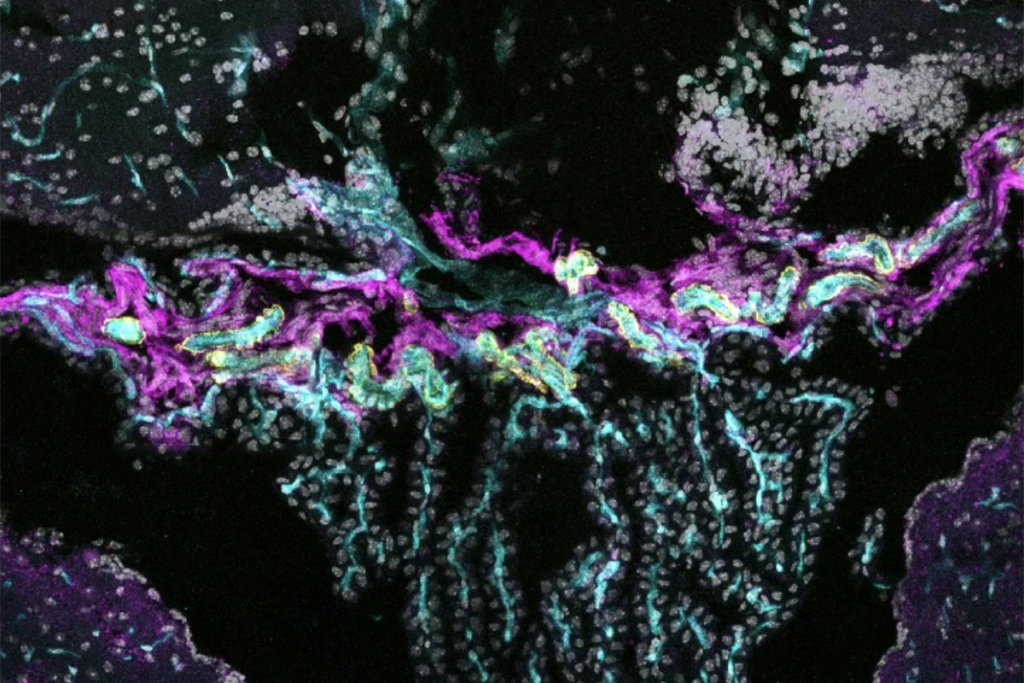
Newly identified barrier cells seal off choroid plexus from CSF, rest of brain
A long-overlooked layer of fibroblasts exists inside the choroid plexus of mice and humans, adding complexity to the area’s compartmentalization.
Newly identified barrier cells seal off choroid plexus from CSF, rest of brain
A long-overlooked layer of fibroblasts exists inside the choroid plexus of mice and humans, adding complexity to the area’s compartmentalization.
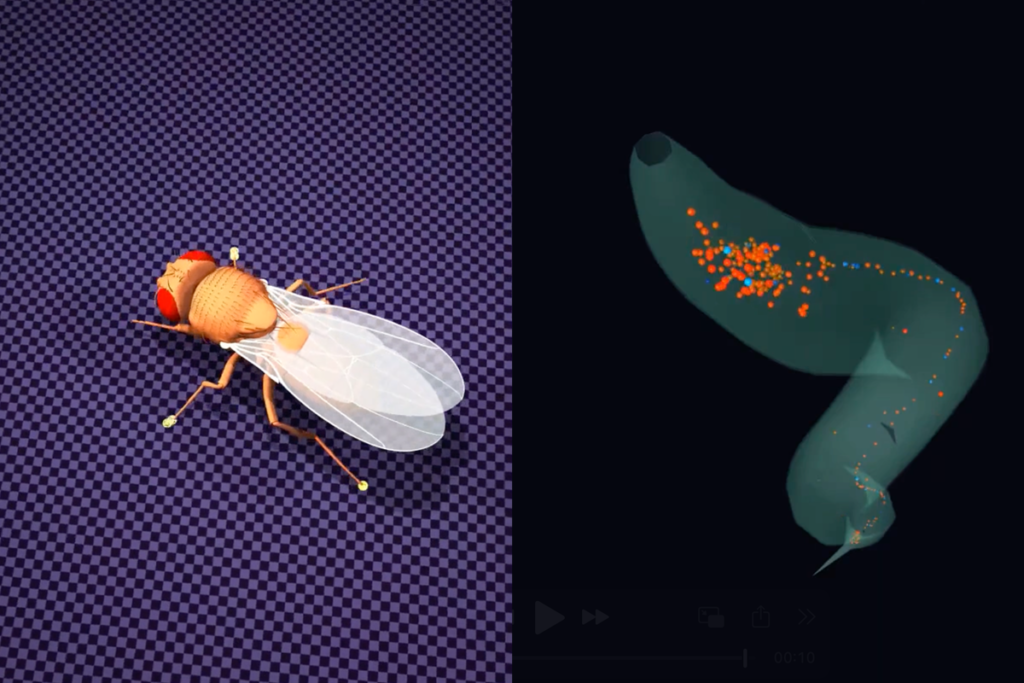
‘Digital sphinx’ raises questions about connectome models
The sphinx, with a worm’s brain and a fly’s body, illustrates the potential pitfalls of using deep-learning techniques to model biological processes.
‘Digital sphinx’ raises questions about connectome models
The sphinx, with a worm’s brain and a fly’s body, illustrates the potential pitfalls of using deep-learning techniques to model biological processes.
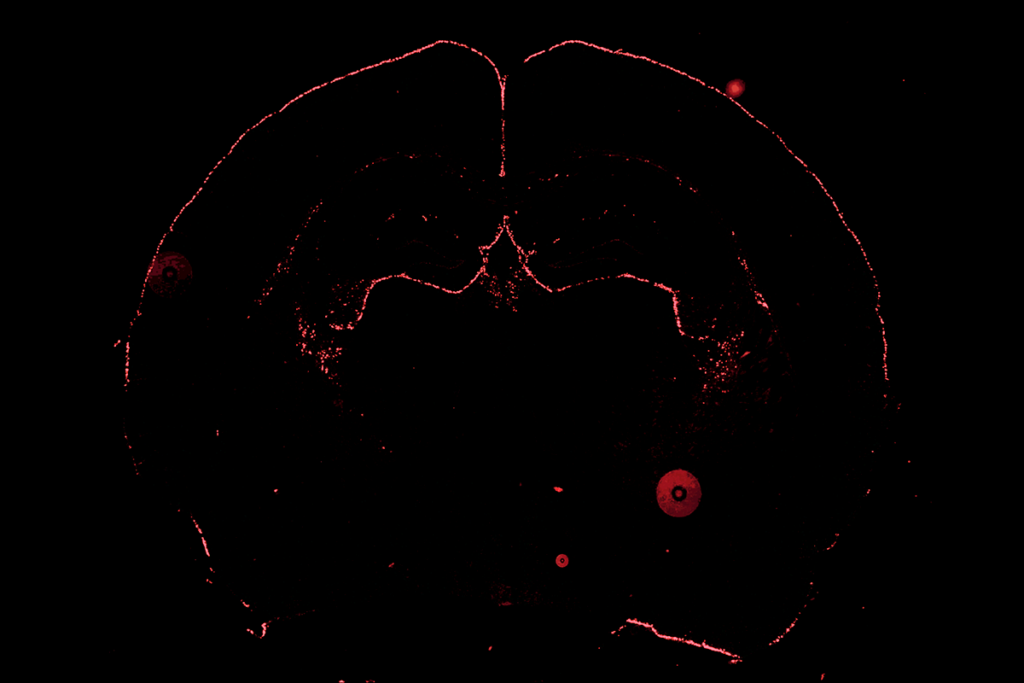
Taking a closer look at astrocytes and autism
These glial cells are increasingly linked to neurodevelopmental conditions and the regulation of social behaviors and anxiety.
Taking a closer look at astrocytes and autism
These glial cells are increasingly linked to neurodevelopmental conditions and the regulation of social behaviors and anxiety.