ASHG 2020
Recent articles
Analysis combining variants, conditions uncovers hundreds of neurodevelopmental genes
The first genetic analysis of multiple types of variants from people with autism or other neurodevelopmental conditions reveals hundreds of genes that may be linked to neurodevelopment.
Analysis combining variants, conditions uncovers hundreds of neurodevelopmental genes
The first genetic analysis of multiple types of variants from people with autism or other neurodevelopmental conditions reveals hundreds of genes that may be linked to neurodevelopment.
Reactions from ASHG 2020
Get the inside scoop from the 2020 American Society of Human Genetics annual meeting.
Reactions from ASHG 2020
Get the inside scoop from the 2020 American Society of Human Genetics annual meeting.

First analysis of African autism cohort reveals millions of new variants
Genome sequences from a research cohort of autistic African children and their families have revealed more than 4 million novel variants, some of which occur in genes not previously linked to the condition.
First analysis of African autism cohort reveals millions of new variants
Genome sequences from a research cohort of autistic African children and their families have revealed more than 4 million novel variants, some of which occur in genes not previously linked to the condition.

Parental age plays small role in large mutations tied to autism
Most of the large, spontaneous genetic mutations tied to autism are passed down from fathers. But, unlike with smaller mutations, a parent's age is unlikely to up the rate at which they occur.
Parental age plays small role in large mutations tied to autism
Most of the large, spontaneous genetic mutations tied to autism are passed down from fathers. But, unlike with smaller mutations, a parent's age is unlikely to up the rate at which they occur.
Explore more from The Transmitter
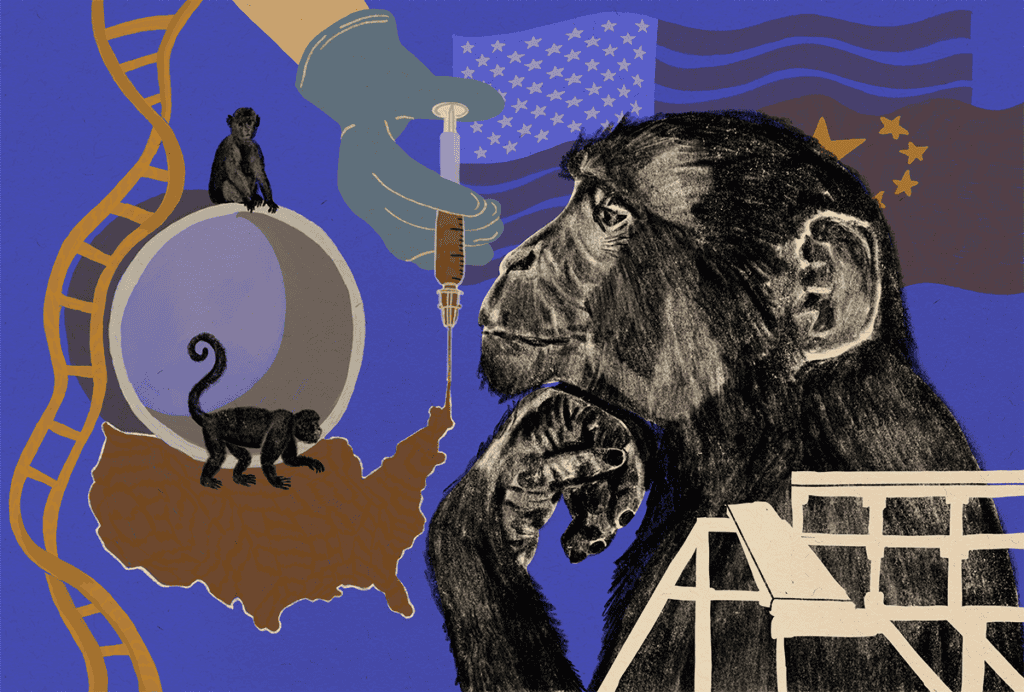
U.S. national primate research centers face an uncertain future
The facilities were meant to last 100 years. Four decades shy of that mark, amid flatlined funds and mounting political pressure, their directors are trying to find a path forward.
U.S. national primate research centers face an uncertain future
The facilities were meant to last 100 years. Four decades shy of that mark, amid flatlined funds and mounting political pressure, their directors are trying to find a path forward.
What if nonhuman primate research goes away?
As the U.S. government takes steps to stop using nonhuman primates in research, The Transmitter investigates what that shift could mean for neuroscience.
What if nonhuman primate research goes away?
As the U.S. government takes steps to stop using nonhuman primates in research, The Transmitter investigates what that shift could mean for neuroscience.
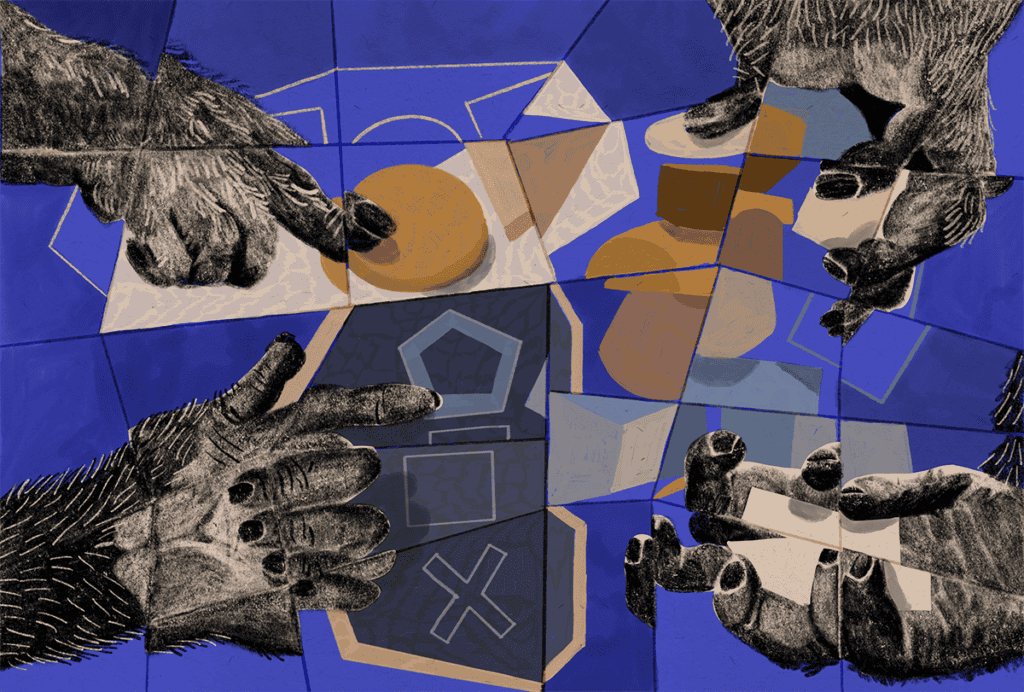
The neuroscience questions that need nonhuman primates
The Transmitter asked 17 neuroscientists what questions might remain unanswered if support for nonhuman primate research continues to decline.
The neuroscience questions that need nonhuman primates
The Transmitter asked 17 neuroscientists what questions might remain unanswered if support for nonhuman primate research continues to decline.