Huda Zoghbi is a Howard Hughes Medical Institute investigator and professor of molecular and human genetics at Baylor College of Medicine in Houston, Texas. She is also director of the Jan and Dan Duncan Neurological Research Institute. Zoghbi explores the biology of genetic disorders such as Rett syndrome, and the genes essential for normal neurodevelopment.

Huda Zoghbi
Professor
Baylor College of Medicine
From this contributor

Remembering Steve Warren (1953-2021): A giant in the field of genetics
Steve Warren co-discovered the genetic mechanism that underpins fragile X syndrome and was a generous, inspiring mentor to many.
Remembering Steve Warren (1953-2021): A giant in the field of genetics
By
Joseph Cubells, Evan Eichler, James Sutcliffe, Huda Zoghbi
6 September 2021 | 11 min read
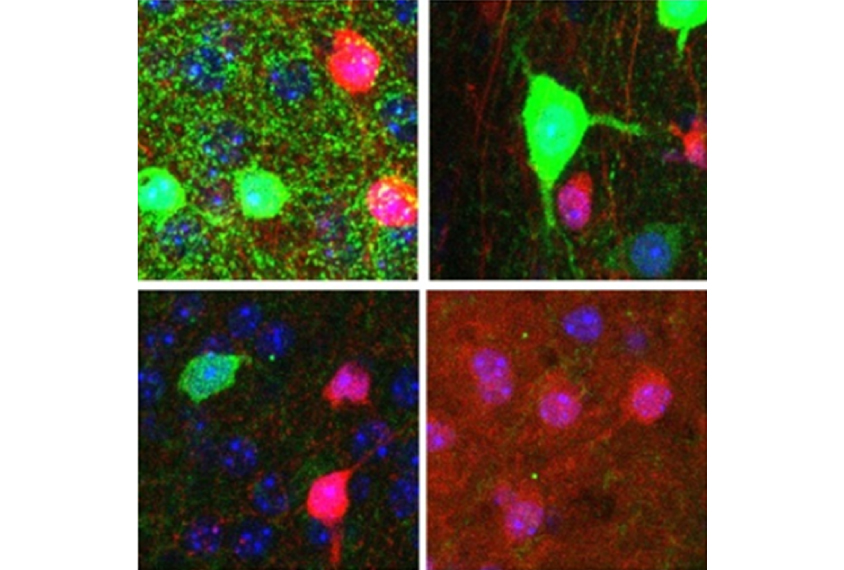
Questions for Huda Zoghbi: Studying Rett in the rodent brain
Removing the Rett syndrome gene, MeCP2, from distinct cells and brain regions reveals hidden features of the condition.
Questions for Huda Zoghbi: Studying Rett in the rodent brain
By
Jessica Wright
14 March 2017 | 6 min read
Explore more from The Transmitter

Grant review needs reform. How about we add an element of chance?
A process that uses a lottery system saves time, reduces strategic resubmission and accepts that, above a quality threshold, luck has always played a part in science funding.
Grant review needs reform. How about we add an element of chance?
A process that uses a lottery system saves time, reduces strategic resubmission and accepts that, above a quality threshold, luck has always played a part in science funding.
By
Adrien Peyrache
25 September 2026 | 6 min read
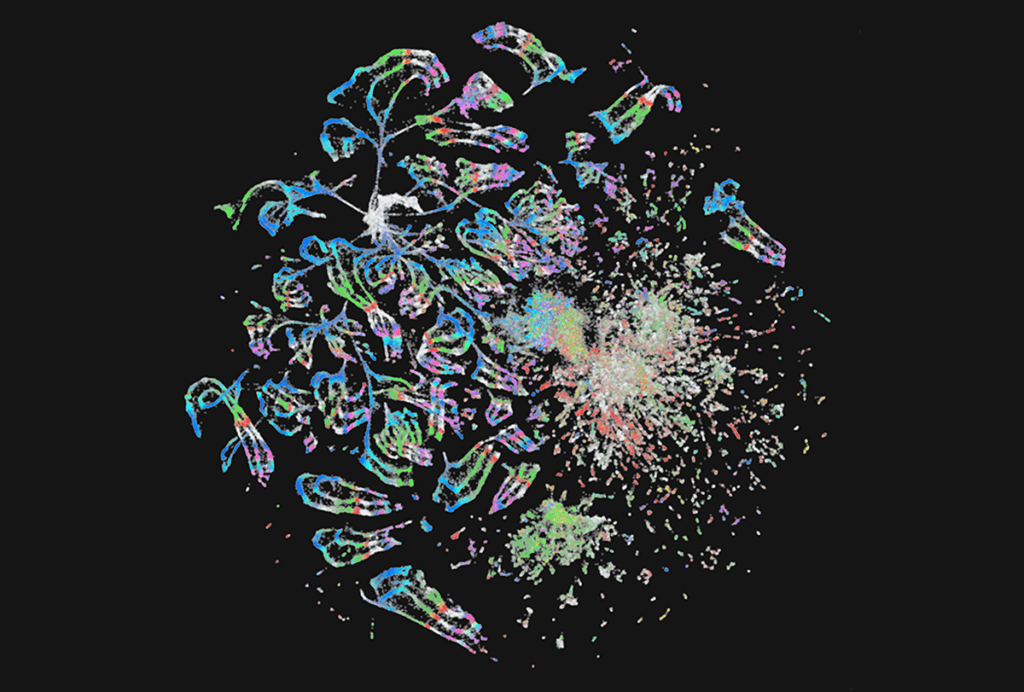
Fly neurons carry molecular signatures of their origins
The pattern of transcription factors a Drosophila neuron expresses offers clues to its lineage and birth order—and ultimately how neural circuits emerge.
Fly neurons carry molecular signatures of their origins
The pattern of transcription factors a Drosophila neuron expresses offers clues to its lineage and birth order—and ultimately how neural circuits emerge.
By
Alissa de Chassey
25 September 2026 | 5 min read
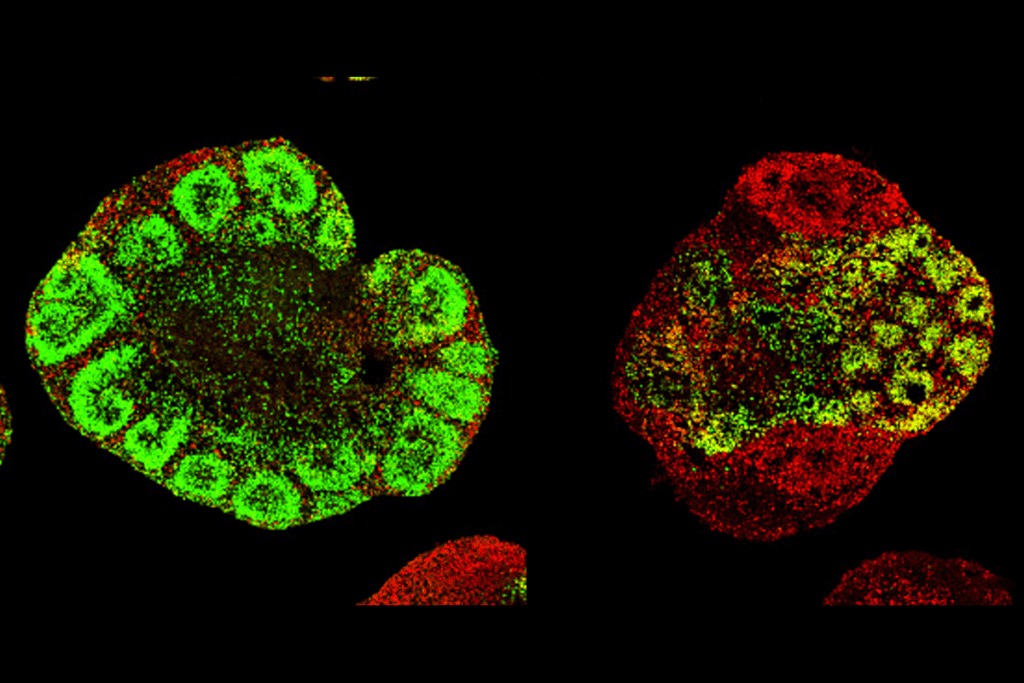
Polarized cortical organoids mimic the brain’s regional organization
The organoids show region-specific gene-expression changes that match those observed during fetal development.
Polarized cortical organoids mimic the brain’s regional organization
The organoids show region-specific gene-expression changes that match those observed during fetal development.
By
Holly Barker
24 September 2026 | 4 min read