Autism and the arts
Recent articles
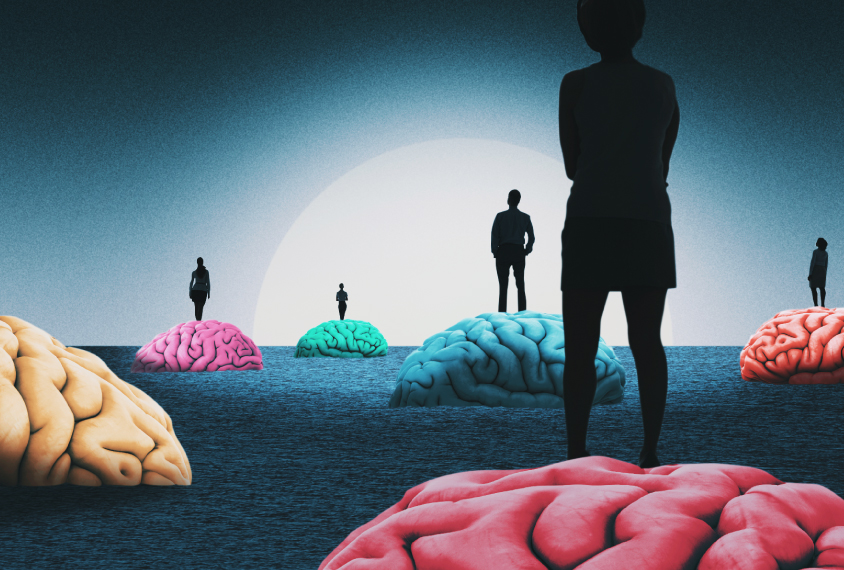
Book Review: ‘Nobody’s Normal’ chronicles the intertwined history of mental illness and stigma
Anthropologist and autism expert Richard Roy Grinker’s latest title reveals how our definitions of mental illnesses and notions of ‘normality’ reek of cultural biases that stop many from seeking help.
Book Review: ‘Nobody’s Normal’ chronicles the intertwined history of mental illness and stigma
Anthropologist and autism expert Richard Roy Grinker’s latest title reveals how our definitions of mental illnesses and notions of ‘normality’ reek of cultural biases that stop many from seeking help.
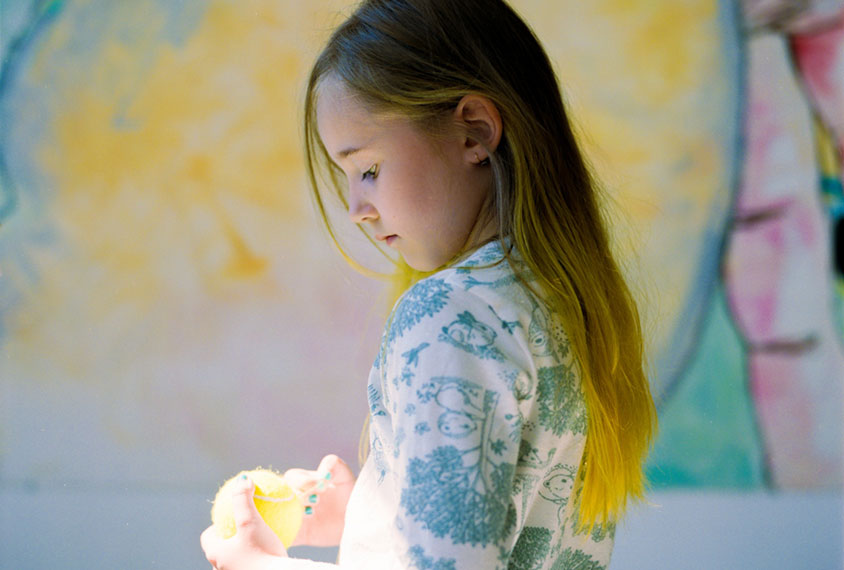
Inside a summer camp for autistic children in Russia
Photographs show how a camp in St. Petersburg this summer helped children on the spectrum and their families find some fun during the pandemic.
Inside a summer camp for autistic children in Russia
Photographs show how a camp in St. Petersburg this summer helped children on the spectrum and their families find some fun during the pandemic.
Explore more from The Transmitter
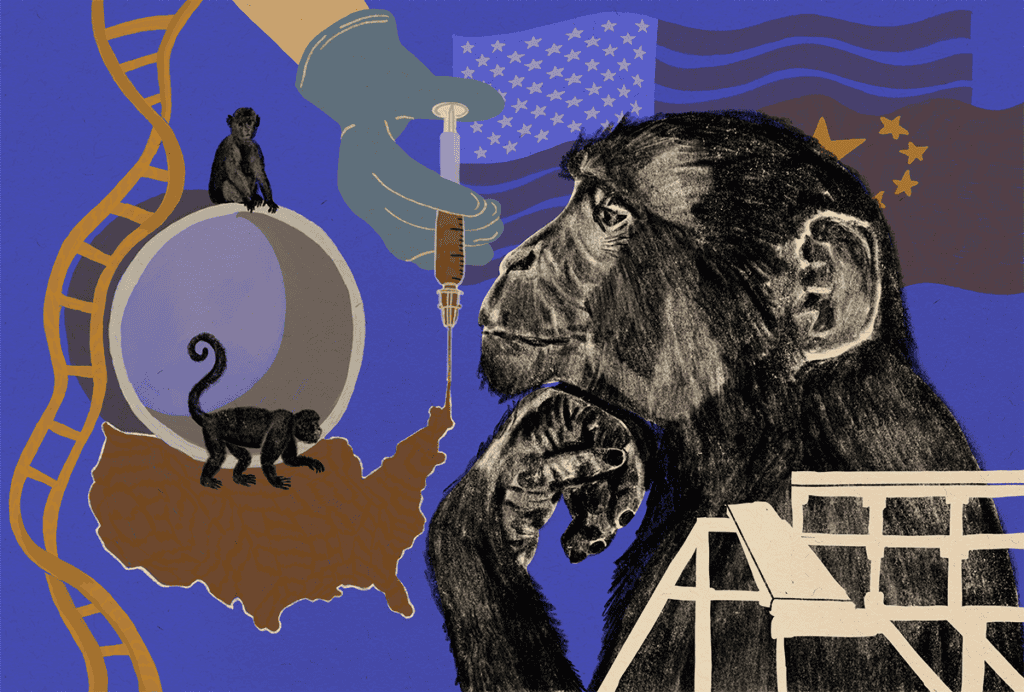
U.S. national primate research centers face an uncertain future
The facilities were meant to last 100 years. Four decades shy of that mark, amid flatlined funds and mounting political pressure, their directors are trying to find a path forward.
U.S. national primate research centers face an uncertain future
The facilities were meant to last 100 years. Four decades shy of that mark, amid flatlined funds and mounting political pressure, their directors are trying to find a path forward.
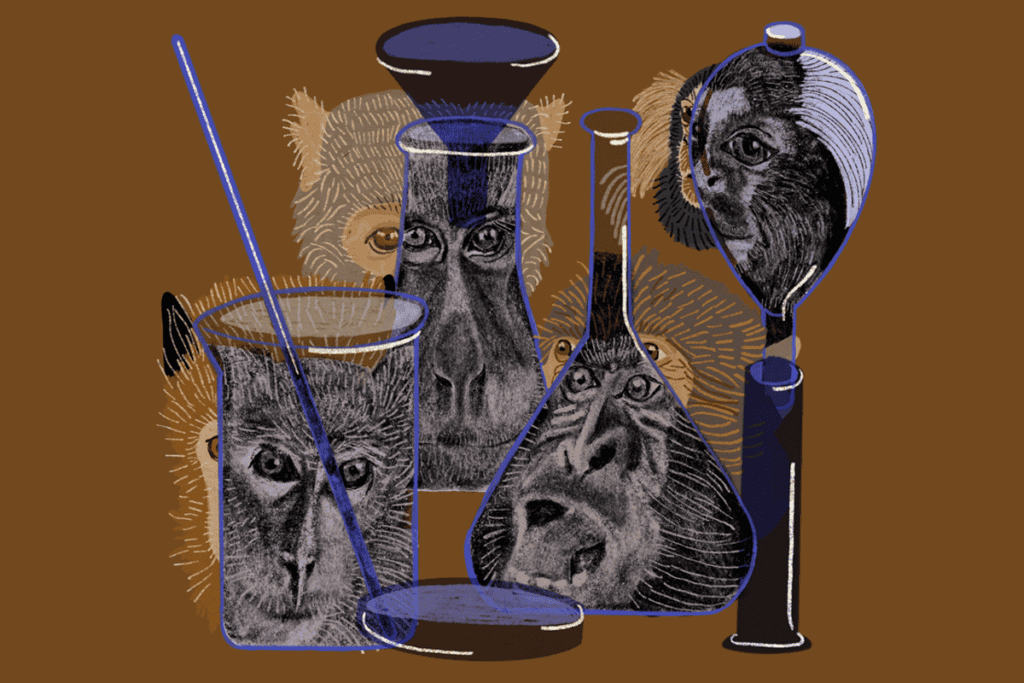
What if nonhuman primate research goes away?
As the U.S. government takes steps to stop using nonhuman primates in research, The Transmitter investigates what that shift could mean for neuroscience.
What if nonhuman primate research goes away?
As the U.S. government takes steps to stop using nonhuman primates in research, The Transmitter investigates what that shift could mean for neuroscience.
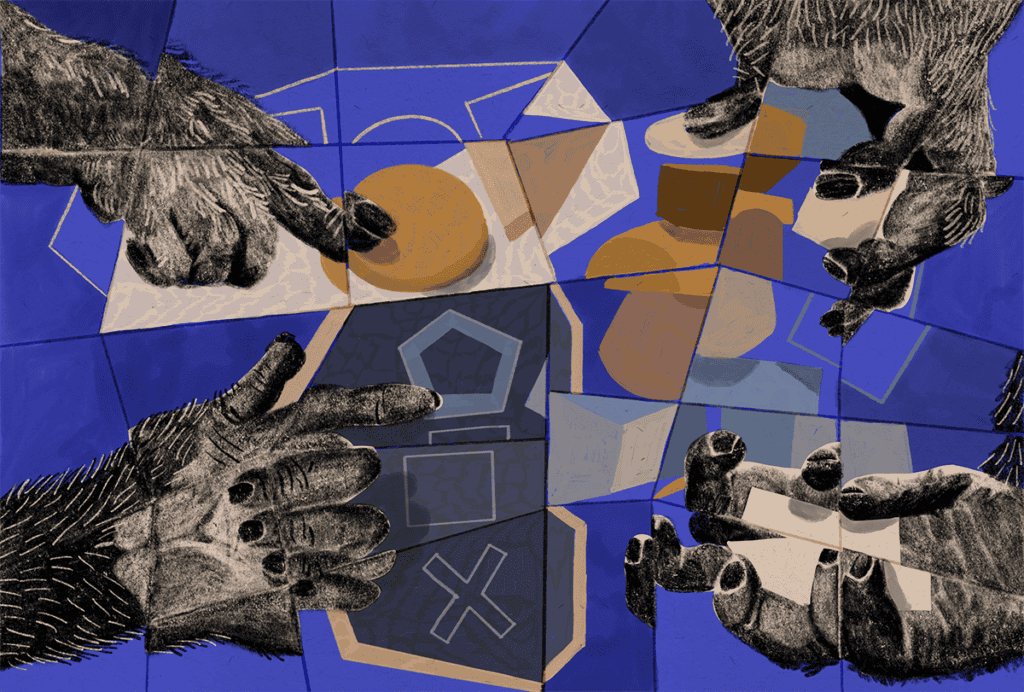
The neuroscience questions that need nonhuman primates
The Transmitter asked 17 neuroscientists what questions might remain unanswered if support for nonhuman primate research continues to decline.
The neuroscience questions that need nonhuman primates
The Transmitter asked 17 neuroscientists what questions might remain unanswered if support for nonhuman primate research continues to decline.