Clinical trials
Recent articles

NIH scraps policy that classified basic research in people as clinical trials
The policy aimed to increase the transparency of research in humans but created “a bureaucratic nightmare” for basic neuroscientists.
NIH scraps policy that classified basic research in people as clinical trials
The policy aimed to increase the transparency of research in humans but created “a bureaucratic nightmare” for basic neuroscientists.
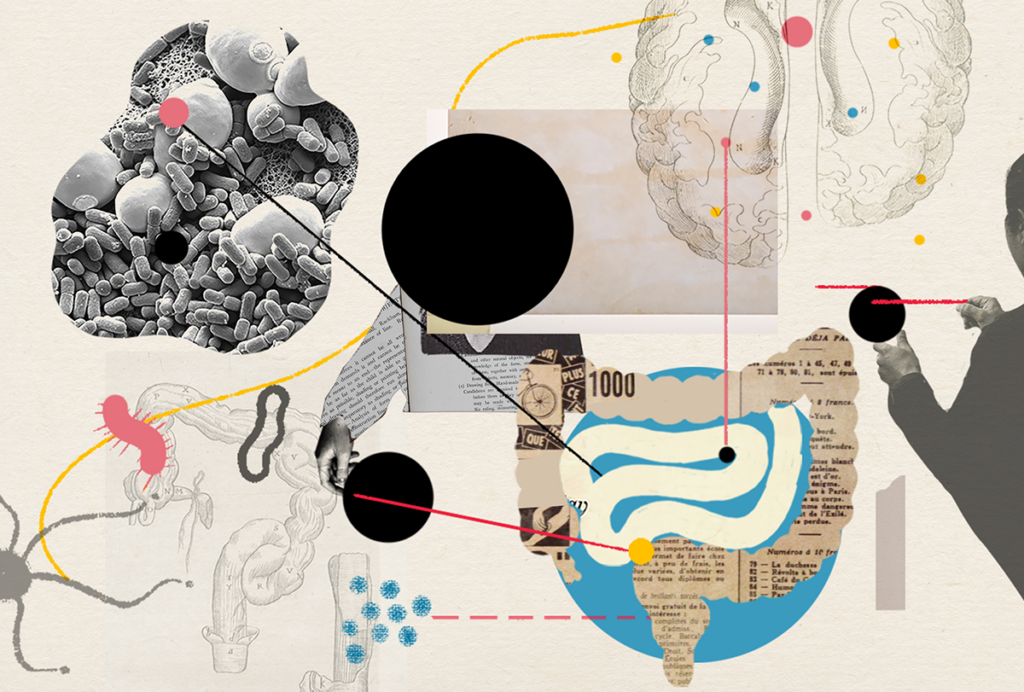
Going against the gut: Q&A with Kevin Mitchell on the autism-microbiome theory
A new review of 15 years of studies on the connection between the microbiome and autism reveals widespread statistical and conceptual errors.
Going against the gut: Q&A with Kevin Mitchell on the autism-microbiome theory
A new review of 15 years of studies on the connection between the microbiome and autism reveals widespread statistical and conceptual errors.
Why we need basic science to better understand the neurobiology of psychedelics
Despite the many psychedelics clinical trials underway, there is still much we don’t know about how these drugs work. Preclinical studies represent our best viable avenue to answer these lingering questions.
Why we need basic science to better understand the neurobiology of psychedelics
Despite the many psychedelics clinical trials underway, there is still much we don’t know about how these drugs work. Preclinical studies represent our best viable avenue to answer these lingering questions.
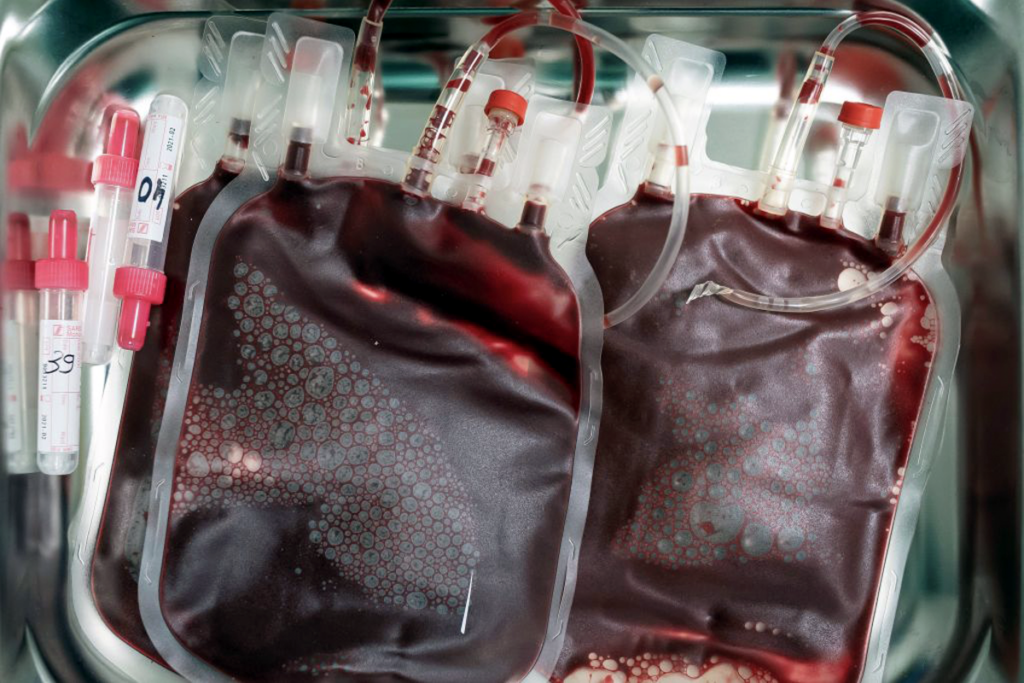
Why hype for autism stem cell therapies continues despite dead ends
After numerous tests, there is still no evidence that these experimental treatments help, so now is not the time to expand access to them.
Why hype for autism stem cell therapies continues despite dead ends
After numerous tests, there is still no evidence that these experimental treatments help, so now is not the time to expand access to them.

Expediting clinical trials for profound autism: Q&A with Matthew State
Aligning Research to Impact Autism, a new initiative funded by the Sergey Brin Family Foundation, wants to bring basic science discoveries to the clinic faster.
Expediting clinical trials for profound autism: Q&A with Matthew State
Aligning Research to Impact Autism, a new initiative funded by the Sergey Brin Family Foundation, wants to bring basic science discoveries to the clinic faster.
What’s next for brain-directed gene therapy after death in Neurogene trial
The incident highlights that viral vectors can trigger deadly immune responses even when delivered directly to the nervous system.
What’s next for brain-directed gene therapy after death in Neurogene trial
The incident highlights that viral vectors can trigger deadly immune responses even when delivered directly to the nervous system.
Former Columbia University psychiatrist committed research misconduct, says federal watchdog
Bret Rutherford, whose research was halted following a suicide in a clinical trial, falsely reported participant eligibility, according to the U.S. Office of Research Integrity.
Former Columbia University psychiatrist committed research misconduct, says federal watchdog
Bret Rutherford, whose research was halted following a suicide in a clinical trial, falsely reported participant eligibility, according to the U.S. Office of Research Integrity.
Building an autism research registry: Q&A with Tony Charman
A purpose-built database of participants who have shared genomic and behavioral data could give clinical trials a boost, Charman says.
Building an autism research registry: Q&A with Tony Charman
A purpose-built database of participants who have shared genomic and behavioral data could give clinical trials a boost, Charman says.
Leveraging the power of community to strengthen clinical trials for rare genetic syndromes
Families can become not only participants but champions of these research efforts.
Leveraging the power of community to strengthen clinical trials for rare genetic syndromes
Families can become not only participants but champions of these research efforts.

FDA describes ‘objectionable conditions’ at New York State Psychiatric Institute
The facility’s institutional review board failed to report a 2021 incident and “serious and ongoing noncompliance” by a principal investigator, according to a letter released by the federal agency this week.
FDA describes ‘objectionable conditions’ at New York State Psychiatric Institute
The facility’s institutional review board failed to report a 2021 incident and “serious and ongoing noncompliance” by a principal investigator, according to a letter released by the federal agency this week.
Explore more from The Transmitter
Error equation predicts brain’s ability to generalize
Four statistical measurements of neural network geometry capture how well brains and artificial networks use what they already know to solve new problems, a study suggests.
Error equation predicts brain’s ability to generalize
Four statistical measurements of neural network geometry capture how well brains and artificial networks use what they already know to solve new problems, a study suggests.

Embrace complexity to improve the translatability of basic neuroscience
Researchers must learn to view heterogeneity as an essential feature of the systems they study and a central consideration in experimental design, not a variable to control for or reduce.
Embrace complexity to improve the translatability of basic neuroscience
Researchers must learn to view heterogeneity as an essential feature of the systems they study and a central consideration in experimental design, not a variable to control for or reduce.
Romain Brette reveals fundamental flaws in commonly assumed neuroscience concepts
His new book, “The Brain, In Theory,” offers alternatives to many of the computer science frameworks currently driving theoretical neuroscience.
Romain Brette reveals fundamental flaws in commonly assumed neuroscience concepts
His new book, “The Brain, In Theory,” offers alternatives to many of the computer science frameworks currently driving theoretical neuroscience.