Alessandro Gozzi is director of the Functional Neuroimaging Laboratory at the Istituto Italiano di Tecnologia.

Alessandro Gozzi
Director, Functional Neuroimaging Laboratory
Istituto Italiano di Tecnologia
From this contributor

Brain scans of sleeping mice hint at subtypes of autism
Mapping the effects of autism mutations on mouse brain circuits may reveal subtypes of the condition in people.
Brain scans of sleeping mice hint at subtypes of autism
By
Alessandro Gozzi
9 October 2018 | 5 min read
Explore more from The Transmitter
‘Brain Flows: How Network Dynamics Compose the Human Mind,’ an excerpt
In his new book, published today, Michael W. Cole examines how the movement of neuronal activity between neuronal populations shapes free will, intelligence and creativity. In this excerpt from Chapter 1, Cole explores why activity flows could unify efforts to map brain functions and connectivity.
By
Michael W. Cole
3 November 2026 | 9 min read
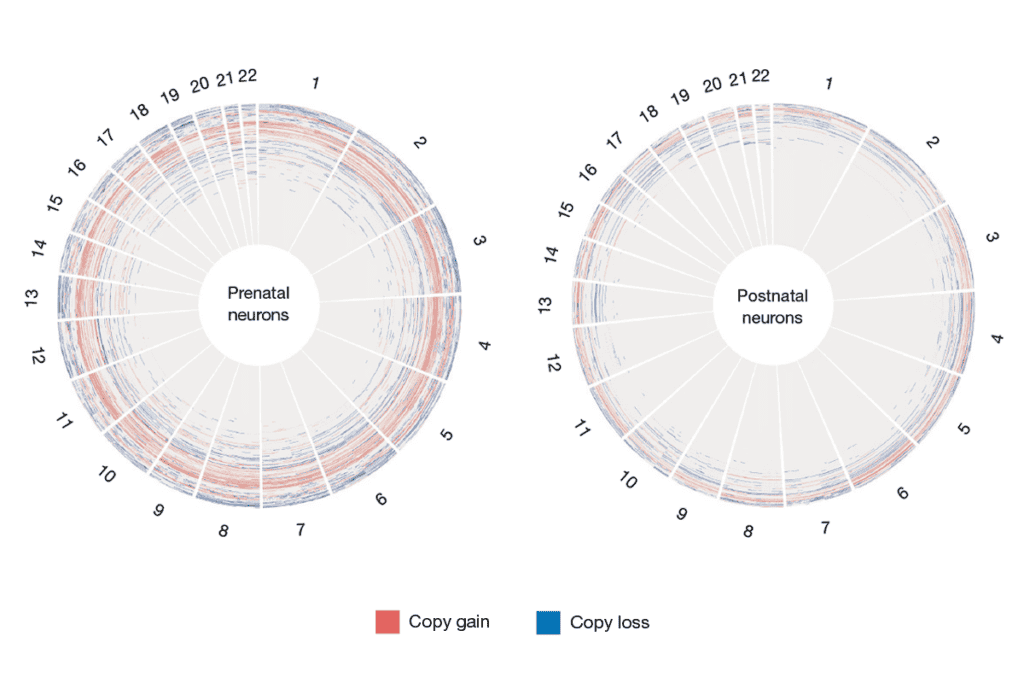
Prenatal pruning of neurons with copy number variants; and more
Here is a roundup of autism-related news and research spotted around the web for the week of 2 November.
Prenatal pruning of neurons with copy number variants; and more
Here is a roundup of autism-related news and research spotted around the web for the week of 2 November.
By
Jill Adams
3 November 2026 | 2 min read
New Stanford initiative aims to build digital twin of human brain
The effort, funded by private donors, seeks to train the model on a trove of MRI and magnetoencephalography data that scientists plan to collect over the next five years—but questions about its scientific utility and feasibility remain.
By
Natalia Mesa
2 November 2026 | 0 min watch