
Amedeo Tumolillo
Web Producer
Spectrum
From this contributor

What teenagers can teach scientists about autism
Examining the teenage years presents a major opportunity for understanding and treating autism.
What teenagers can teach scientists about autism

Why too many children with autism end up in foster care
The foster care system is becoming a critical component of care for children with autism.
Why too many children with autism end up in foster care

To partner with autism community, welcome dissenting opinions
Giving the autism community a voice in research means engaging in meaningful dialogue, not just making token gestures.
To partner with autism community, welcome dissenting opinions

‘Frozen’ offers glimpse of autism in girls
Elsa, the star of the movie “Frozen,” is the poster child for girls with autism.
‘Frozen’ offers glimpse of autism in girls
Questions for Maureen Durkin: Understanding autism’s rise
Autism is undoubtedly on the rise, but we may never be able to fully explain why, says Maureen Durkin.
Questions for Maureen Durkin: Understanding autism’s rise
Explore more from The Transmitter

Creating community through grant support
Fiona Sanderson, a senior program manager at the Brain Canada Foundation, shares how she got into grant administration and how she helps connect researchers with funding and one another.
Creating community through grant support
Fiona Sanderson, a senior program manager at the Brain Canada Foundation, shares how she got into grant administration and how she helps connect researchers with funding and one another.

This paper changed my life: A first glimpse into the ‘middle’ of brain processing
Work by Jeffrey Moran and Robert Desimone showed that monkeys could focus their attention on different stimuli in their visual field without shifting their gaze. Their work marked a key milestone in the emergence of cognitive neuroscience.
This paper changed my life: A first glimpse into the ‘middle’ of brain processing
Work by Jeffrey Moran and Robert Desimone showed that monkeys could focus their attention on different stimuli in their visual field without shifting their gaze. Their work marked a key milestone in the emergence of cognitive neuroscience.
Acetaminophen effects on developing brain organoids; and more
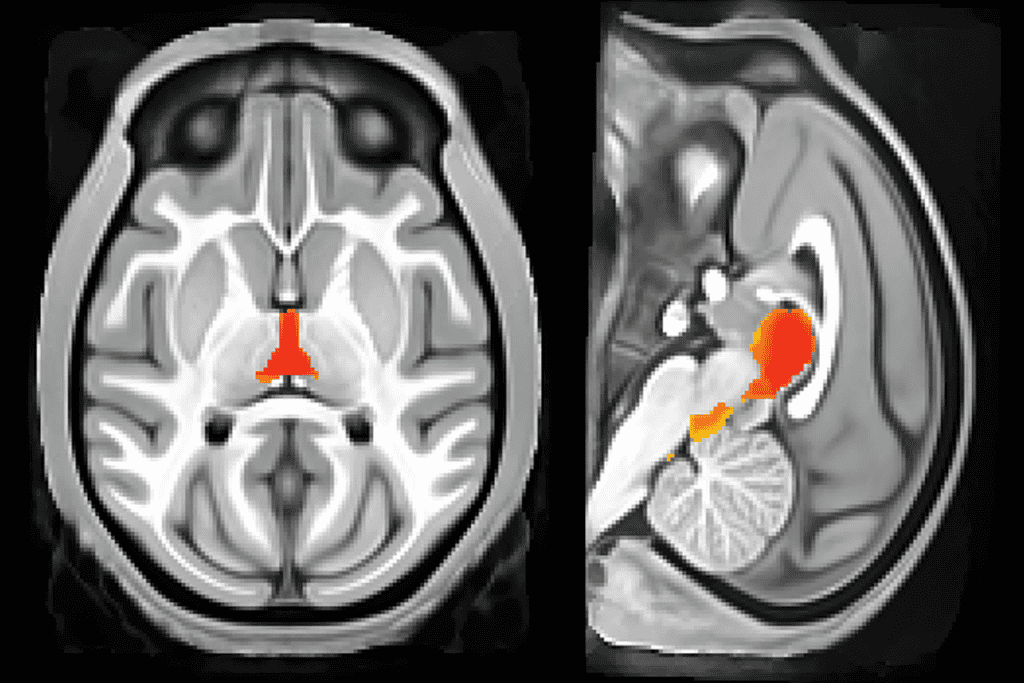
Here is a roundup of autism-related news and research spotted around the web for the week of 12 October.
Acetaminophen effects on developing brain organoids; and more
Here is a roundup of autism-related news and research spotted around the web for the week of 12 October.