Anna Goshua is an editorial intern at Spectrum. Previously, she interned at Medscape. She is a medical student at Stanford University and a journalism student in the Science, Health and Environmental Reporting Program at New York University.
Anna Goshua
Intern
Spectrum
From this contributor
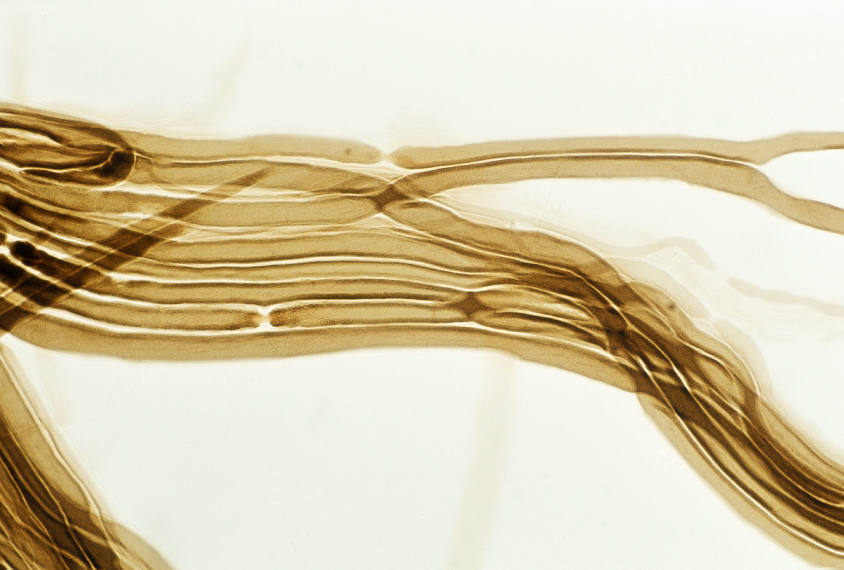
Cluster of traits tied to rare mutations in autism-linked gene
Developmental delay, intellectual disability and behavioral issues are common among people who have mutations in MYT1L, a gene with strong ties to autism.
Cluster of traits tied to rare mutations in autism-linked gene
By
Anna Goshua
20 December 2021 | 3 min read
Pitfalls in using autism claims data: Q&A with Lindsay Shea
Insurance claims data are useful for autism research, but the field needs to standardize how they are mined, Shea says.
Pitfalls in using autism claims data: Q&A with Lindsay Shea
By
Anna Goshua
14 December 2021 | 6 min read
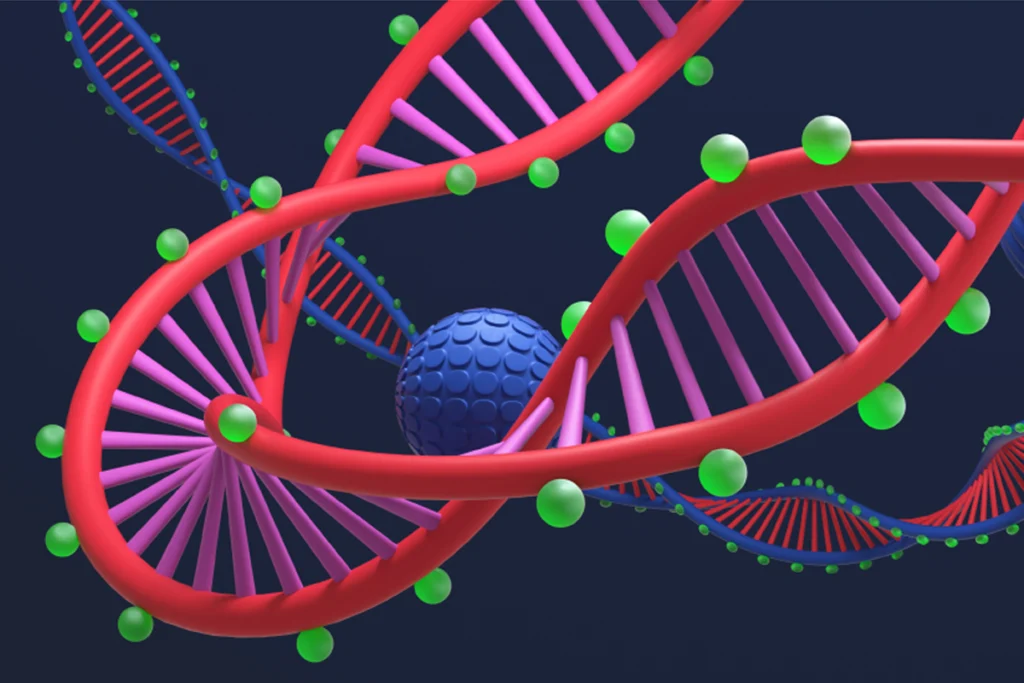
DNA methylation in autism, explained
How chemical tags called methyl groups position themselves on genetic sequences may hint at some of the causes of autism.
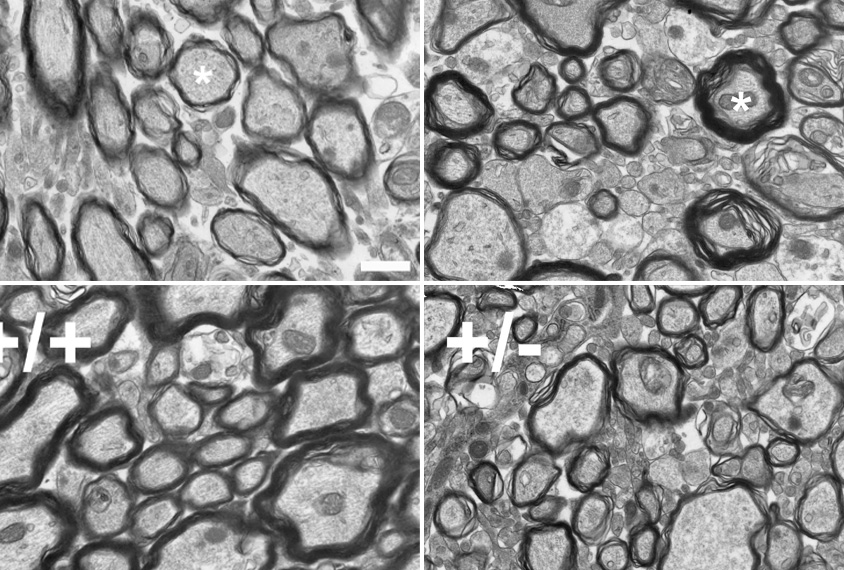
Myelin loss may explain how autism-linked DNA deletion affects cognition
Deleting a copy of the gene TBX1 depletes the fatty myelin insulation that surrounds neurons and reduces cognitive speed in mice.
Myelin loss may explain how autism-linked DNA deletion affects cognition
By
Anna Goshua
8 December 2021 | 3 min read
Dispatches from SfN 2021: Mitochondria, Rett therapy and oxytocin
These short reports from Spectrum journalists highlight some of the autism-related findings that caught our attention at the meeting this past week.
Dispatches from SfN 2021: Mitochondria, Rett therapy and oxytocin
By
Angie Voyles Askham, Laura Dattaro, Anna Goshua, Peter Hess
11 November 2021 | 9 min read
Explore more from The Transmitter
Lipids enter brain mapping limelight
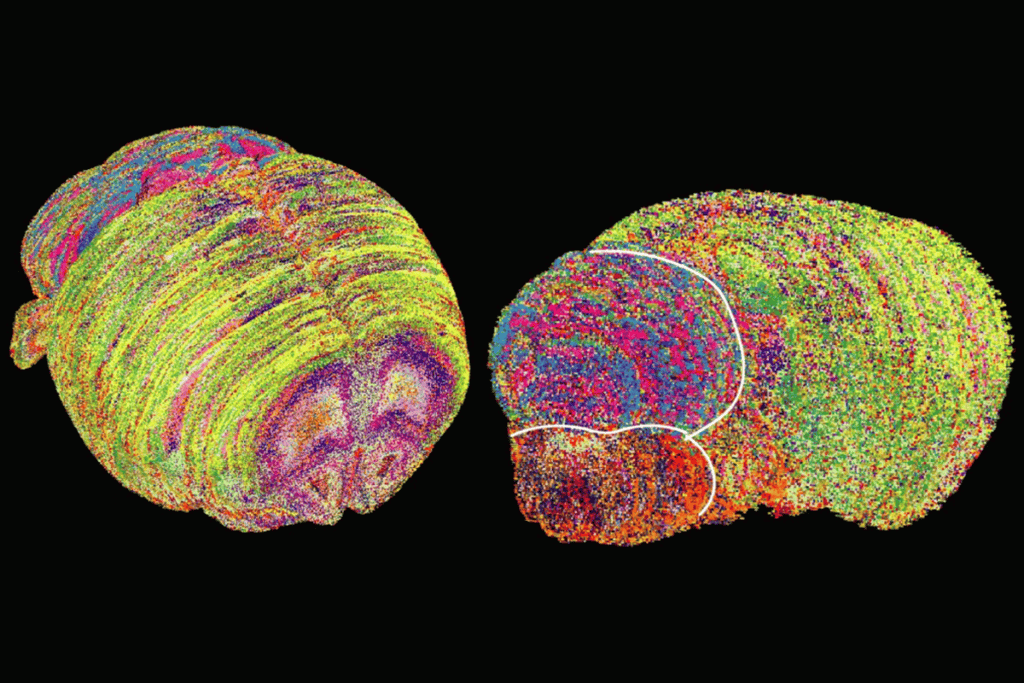
Two new studies, including the first whole-brain lipid atlas in mice, uncover unforeseen complexity and influence during pregnancy and aging.
Lipids enter brain mapping limelight
Two new studies, including the first whole-brain lipid atlas in mice, uncover unforeseen complexity and influence during pregnancy and aging.
By
Lauren Schenkman
27 October 2026 | 6 min read
Behavioral phenomics in zebrafish; and more
Here is a roundup of autism-related news and research spotted around the web for the week of 26 October.
Behavioral phenomics in zebrafish; and more
Here is a roundup of autism-related news and research spotted around the web for the week of 26 October.
By
Jill Adams
27 October 2026 | 2 min read

Neuroscience gave AI its start. What happens now?
David Sussillo maps the two fields' divergent paths, and where they might still meet.
Neuroscience gave AI its start. What happens now?
David Sussillo maps the two fields' divergent paths, and where they might still meet.
By
Emily Singer
27 October 2026 | 10 min read