Brady Huggett was features editor at The Transmitter, where he wrote and edited features and long-form projects, from 2022 to 2026. He is also the creator and host of the “Synaptic” podcast. Before joining The Transmitter he served as business editor at Nature Biotechnology, and prior to that was the managing editor of BioWorld.
Brady Huggett
Former features editor
The Transmitter
From this contributor
Sylvia Fogel, reshaping U.S. autism research strategy
By
Brady Huggett
17 September 2026 | 77 min watch
When autistic kids grow up, Chapter 5: The war dial
By
Brady Huggett
2 July 2026 | 42 min listen
When autistic kids grow up, Chapter 4: How did things unfold?
By
Brady Huggett
25 June 2026 | 27 min listen
When autistic kids grow up, Chapter 3: Would there be data?
By
Brady Huggett
18 June 2026 | 27 min listen
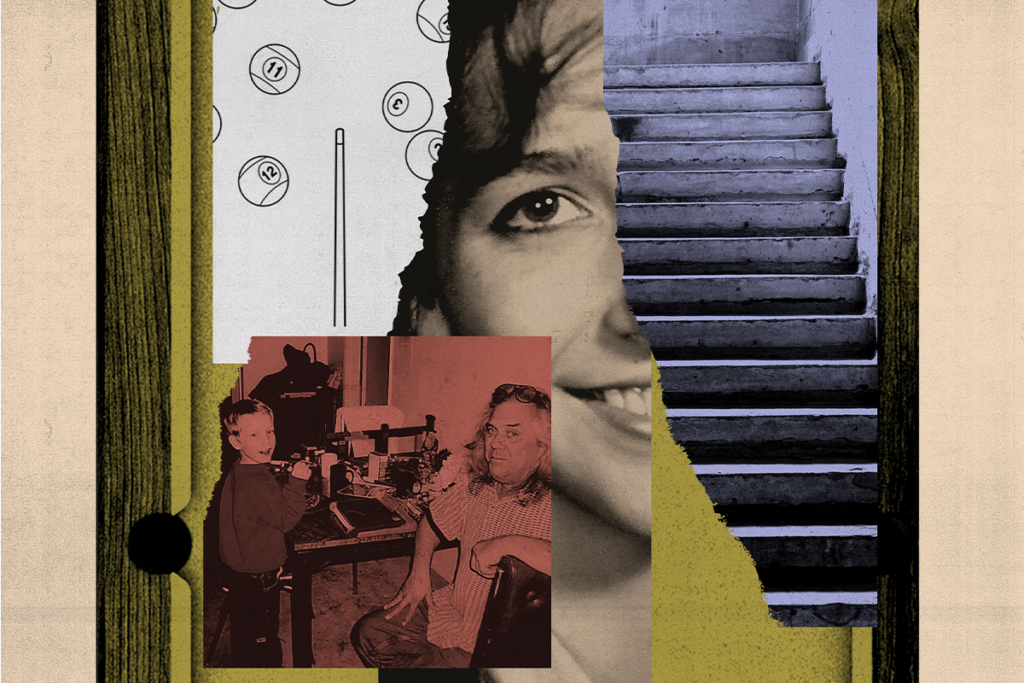
When autistic kids grow up, Chapter 2: “You need to go to college”
By
Brady Huggett
11 June 2026 | 28 min listen
Education
- M.A. in creative writing, The New School
- M.A. in journalism, University of North Carolina at Chapel Hill
- B.S. in biology from Wake Forest University in Winston-Salem, North Carolina
Explore more from The Transmitter
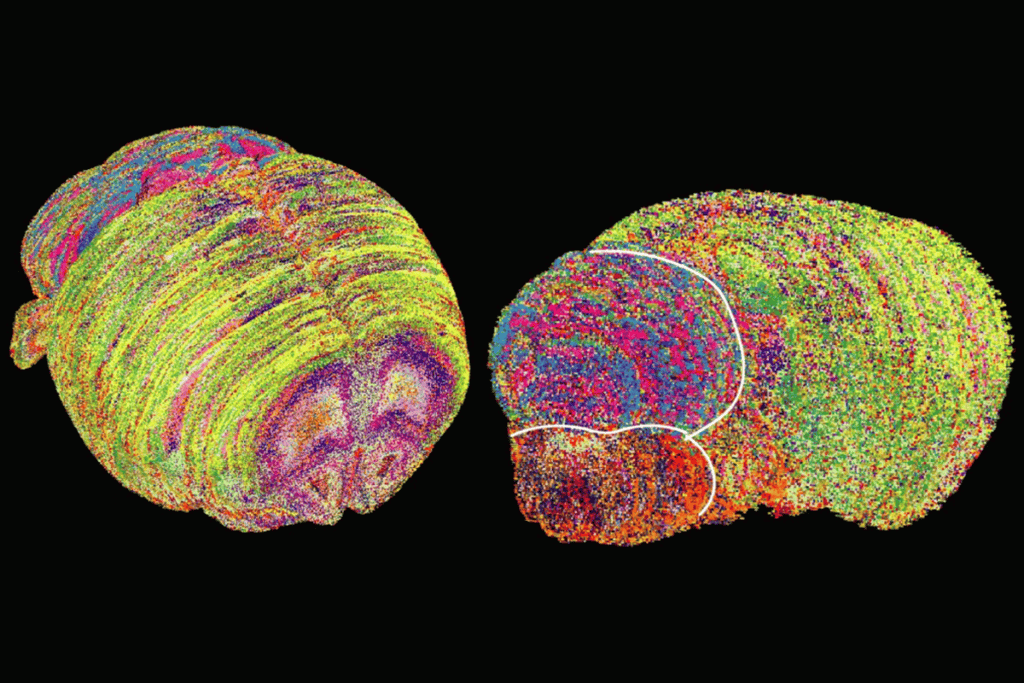
Lipids enter brain mapping limelight
Two new studies, including the first whole-brain lipid atlas in mice, uncover unforeseen complexity and influence during pregnancy and aging.
Lipids enter brain mapping limelight
Two new studies, including the first whole-brain lipid atlas in mice, uncover unforeseen complexity and influence during pregnancy and aging.
By
Lauren Schenkman
27 October 2026 | 6 min read
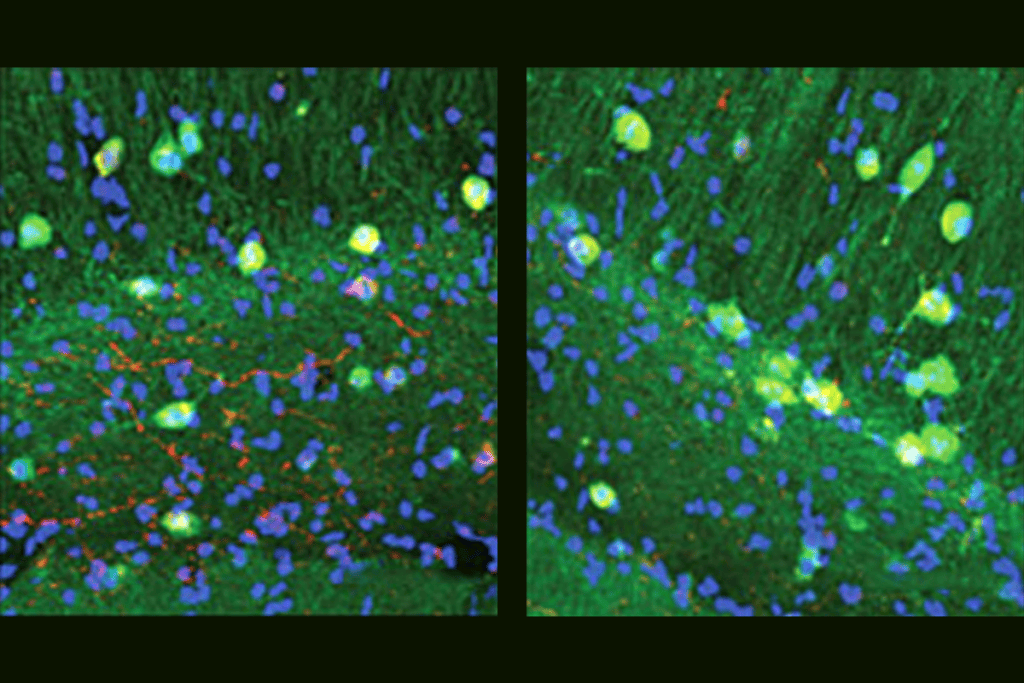
Behavioral phenomics in zebrafish; and more
Here is a roundup of autism-related news and research spotted around the web for the week of 26 October.
Behavioral phenomics in zebrafish; and more
Here is a roundup of autism-related news and research spotted around the web for the week of 26 October.
By
Jill Adams
27 October 2026 | 2 min read
Neuroscience gave AI its start. What happens now?
David Sussillo maps the two fields' divergent paths, and where they might still meet.
Neuroscience gave AI its start. What happens now?
David Sussillo maps the two fields' divergent paths, and where they might still meet.
By
Emily Singer
27 October 2026 | 10 min read