Cayce Clifford
photographer
From this contributor
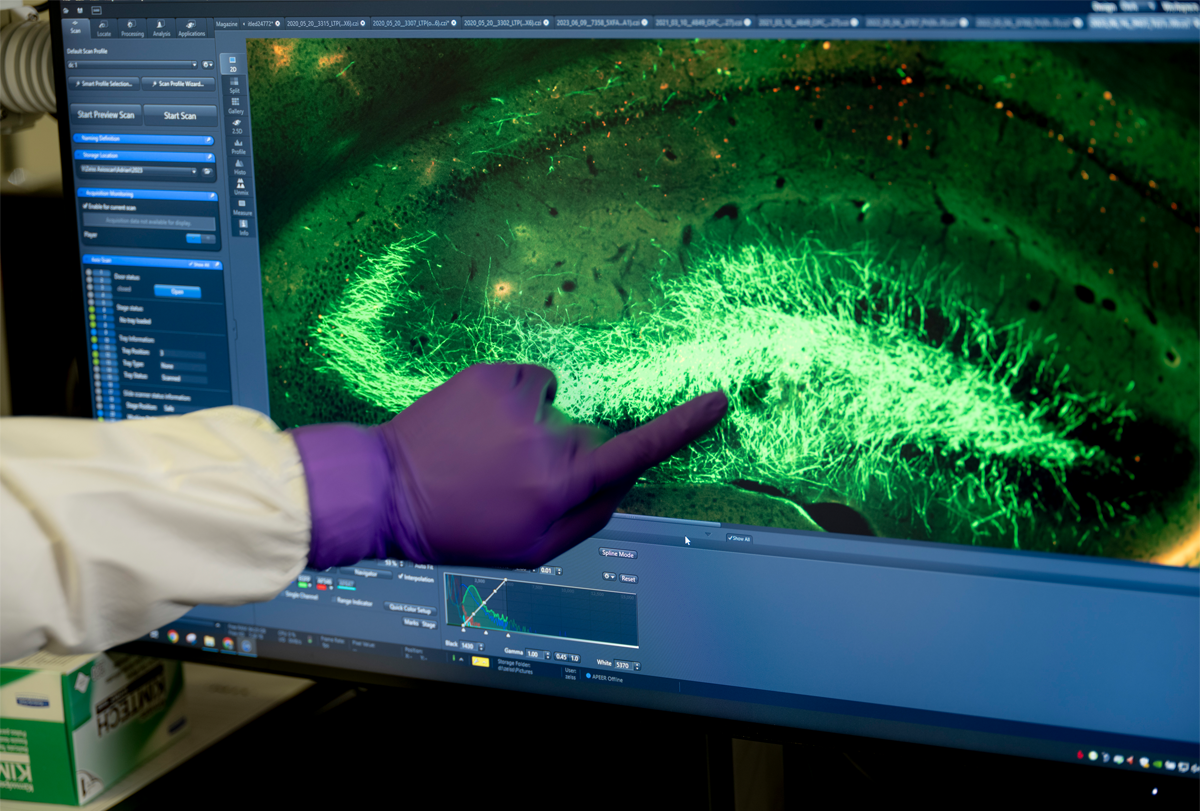
Going deep: The Transmitter’s top long-form stories in 2023
Our favorite features and book excerpts from the past year delved into the neurobiology of cancer; problems with survey data; free will; mathematical minds; and questions around one startup’s quest to treat brain conditions with cell therapies.
Going deep: The Transmitter’s top long-form stories in 2023
Uncertainty and excitement surround one company’s cell therapy for epilepsy
After 10 years of work, Neurona may have the data to quiet its skeptics. But its ongoing clinical trial will be the ultimate test.
Uncertainty and excitement surround one company’s cell therapy for epilepsy
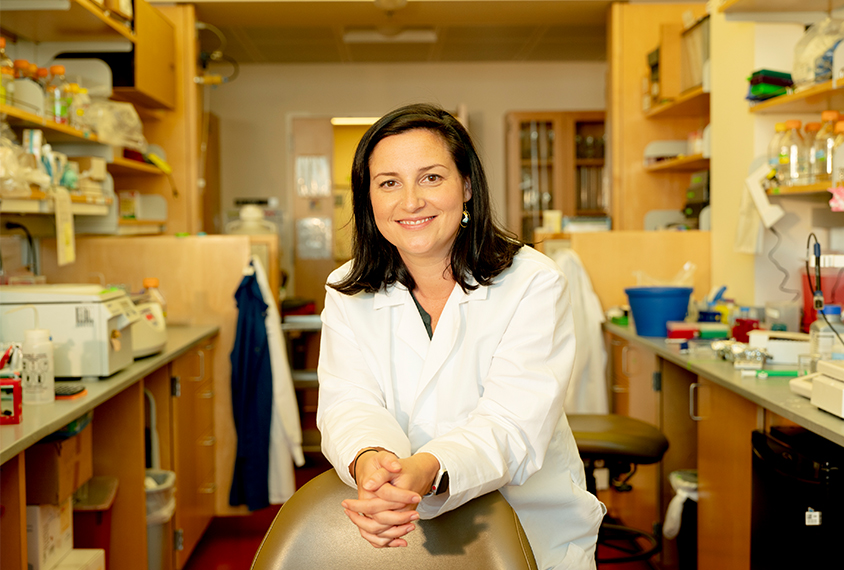
How Helen Willsey broke new ground, frogs in hand
A young researcher faces down the skeptics.
How Helen Willsey broke new ground, frogs in hand
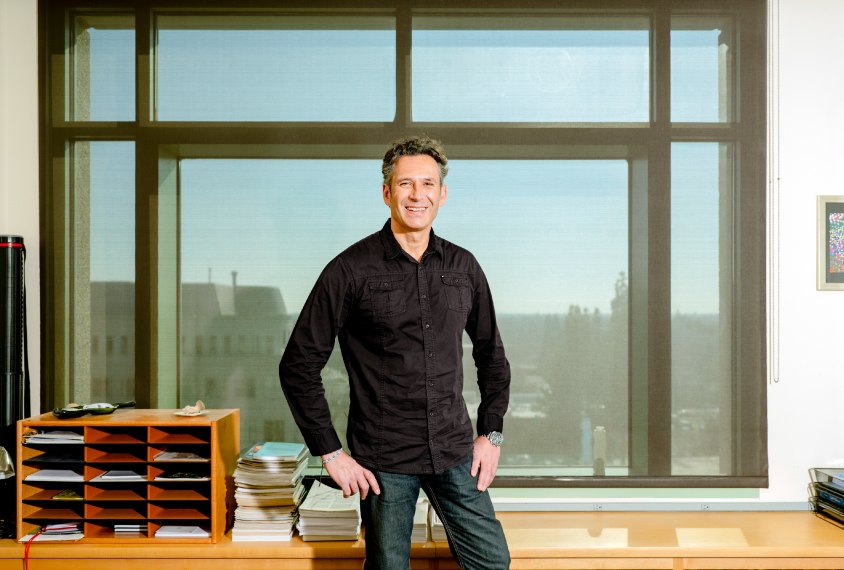
Beyond the bench: A conversation with Konstantinos Zarbalis
Konstantinos “Kostas” Zarbalis talks about the upside of unexpected experimental results, and why he eats just one meal per day.
Beyond the bench: A conversation with Konstantinos Zarbalis
Explore more from The Transmitter
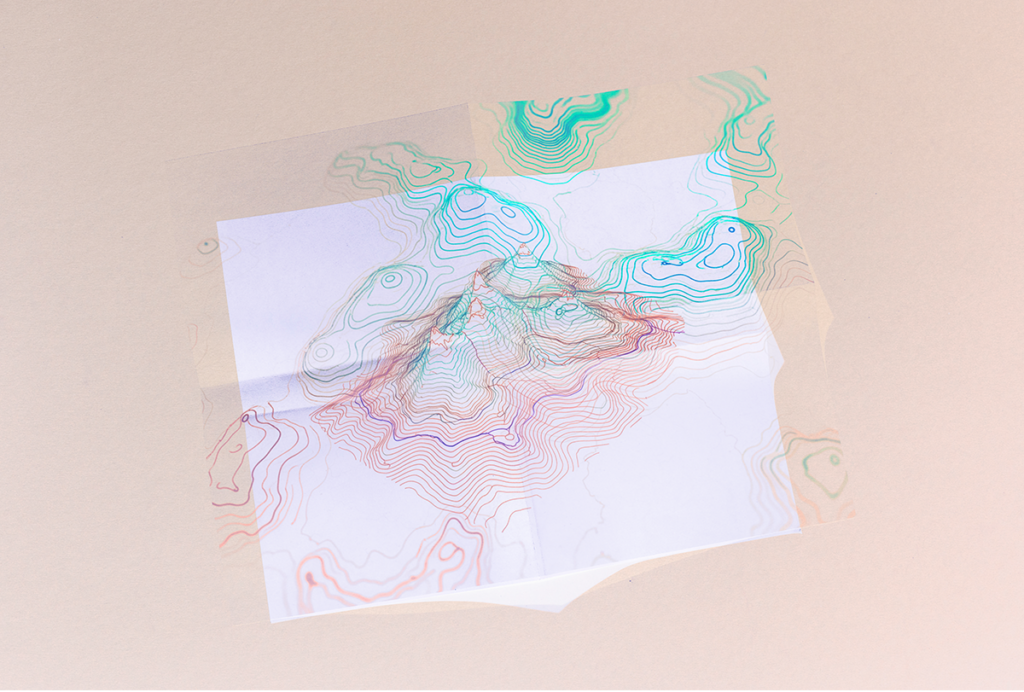
Why neural foundation models work, and what they might—and might not—teach us about the brain
These models can partly generalize across species, brain regions and tasks, suggesting that a set of machine-learnable rules govern neural population activity. But will we be able to understand them?
Why neural foundation models work, and what they might—and might not—teach us about the brain
These models can partly generalize across species, brain regions and tasks, suggesting that a set of machine-learnable rules govern neural population activity. But will we be able to understand them?
Error equation predicts brain’s ability to generalize
Four statistical measurements of neural network geometry capture how well brains and artificial networks use what they already know to solve new problems, a study suggests.
Error equation predicts brain’s ability to generalize
Four statistical measurements of neural network geometry capture how well brains and artificial networks use what they already know to solve new problems, a study suggests.

Embrace complexity to improve the translatability of basic neuroscience
Researchers must learn to view heterogeneity as an essential feature of the systems they study and a central consideration in experimental design, not a variable to control for or reduce.
Embrace complexity to improve the translatability of basic neuroscience
Researchers must learn to view heterogeneity as an essential feature of the systems they study and a central consideration in experimental design, not a variable to control for or reduce.