Hannah Furfaro was a news writer at Spectrum from 2017 to 2019. Before that, Hannah was an investigative reporting fellow at Columbia University. She previously worked at The Wall Street Journal, The Fresno Bee and the Associated Press. Her work has also appeared in The Guardian and Audubon Magazine.
Hannah Furfaro
From this contributor
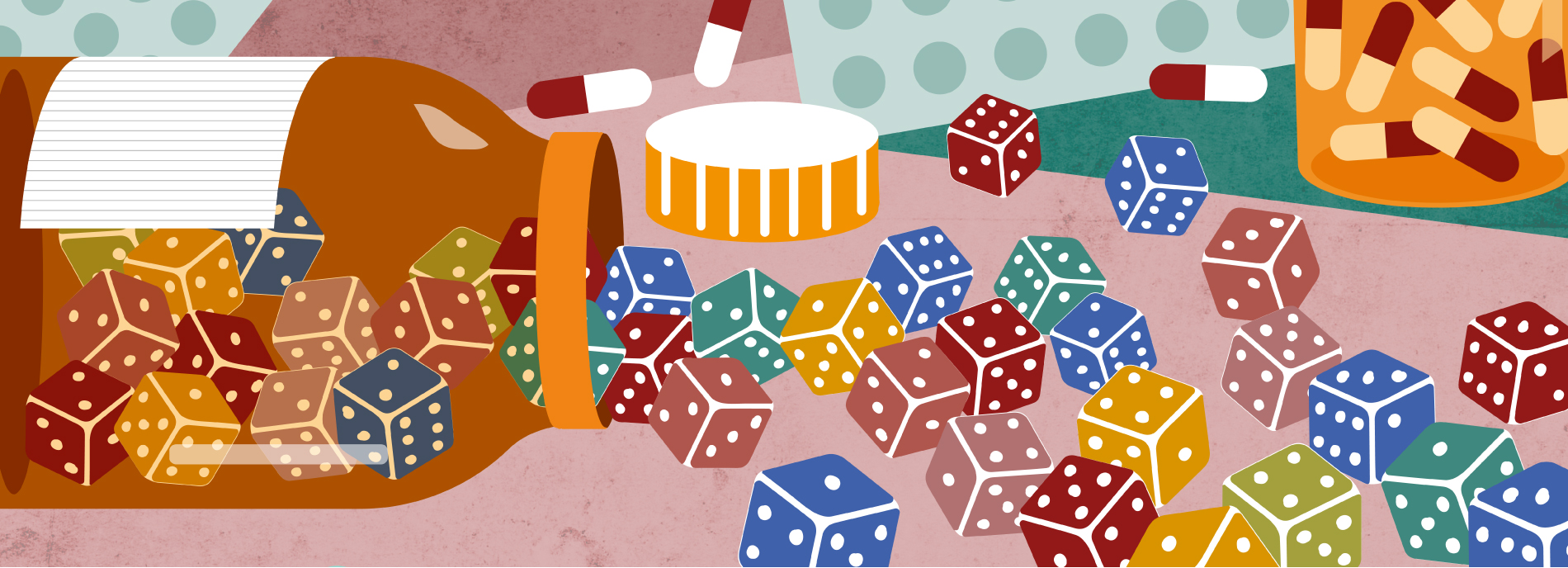
How aripiprazole’s promise for treating autism fell short
Aripiprazole, marketed as Abilify, is widely thought to be safer than risperidone, the only other drug approved for use in autistic children. A decade’s worth of data suggests that is not true.
How aripiprazole’s promise for treating autism fell short
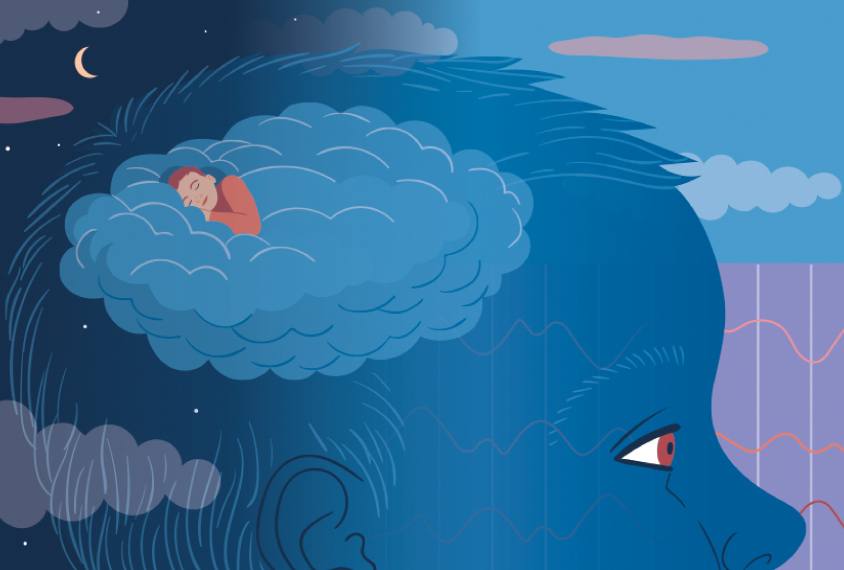
Sleep problems in autism, explained
Many people with autism have difficulty falling and staying asleep, but there may be ways to help them.
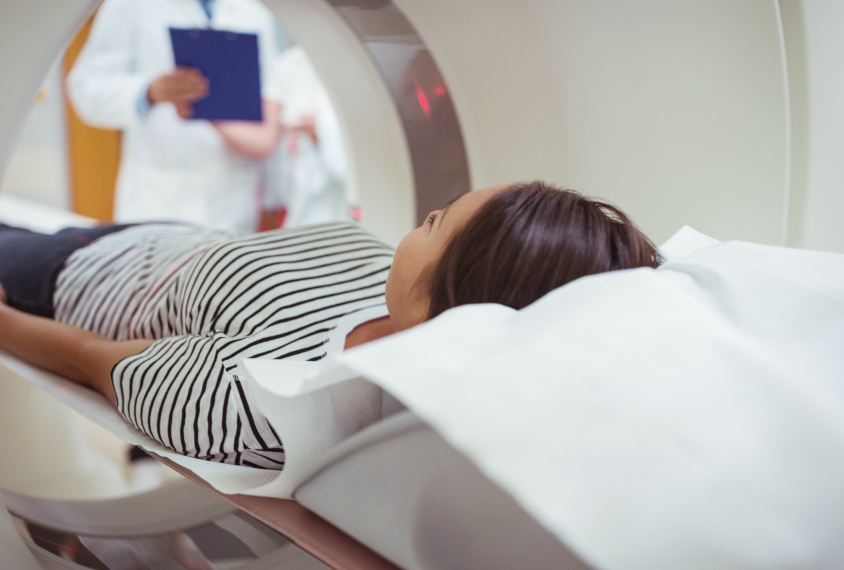
Autistic girls’ brains show distinct anatomical features
Nerve fiber tracts in the brains of autistic girls appear more fragmented than those of typical girls’. Autistic boys’ brains, meanwhile, look like those of typical boys.
Autistic girls’ brains show distinct anatomical features
Beyond the bench: A conversation with Annie Ciernia
Annie Ciernia describes the greenhouse origins of her scientific career and why a unicorn makes a good lab mascot.
Beyond the bench: A conversation with Annie Ciernia
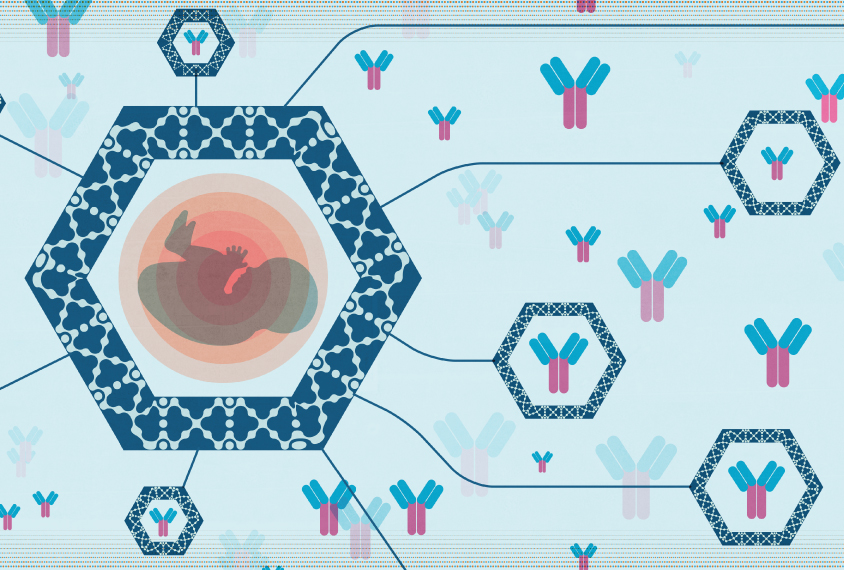
Small sponge may sop up maternal antibody tied to autism
Researchers have created a microscopic particle that traps immune molecules found in a woman that are linked to autism in her child.
Small sponge may sop up maternal antibody tied to autism
Explore more from The Transmitter
This paper changed my life: Ishmail Abdus-Saboor on balancing the study of pain and pleasure
A 2013 Nature paper from David Anderson’s lab revealed a group of sensory neurons involved in pleasurable touch and led Abdus-Saboor down a new research path.
This paper changed my life: Ishmail Abdus-Saboor on balancing the study of pain and pleasure
A 2013 Nature paper from David Anderson’s lab revealed a group of sensory neurons involved in pleasurable touch and led Abdus-Saboor down a new research path.
Sex bias in autism drops as age at diagnosis rises
The disparity begins to level out after age 10, raising questions about why so many autistic girls go undiagnosed earlier in childhood.
Sex bias in autism drops as age at diagnosis rises
The disparity begins to level out after age 10, raising questions about why so many autistic girls go undiagnosed earlier in childhood.
Microglia implicated in infantile amnesia
The glial cells could explain the link between maternal immune activation and autism-like behaviors in mice.
Microglia implicated in infantile amnesia
The glial cells could explain the link between maternal immune activation and autism-like behaviors in mice.