Helen Pearson is a science writer based in New York City.
Helen Pearson
Freelance writer
Simons Foundation
From this contributor

Father’s advanced age feeds autism risk
Are older fathers more likely to have children with autism? A series of epidemiological studies is giving credence to the idea, suggesting that, with age, sperm may accumulate damage that increases risk in the next generation.
Sense of ‘self’ impaired in autism
People with autism struggle to see their own role in social situations. That's the conclusion from the first study to scan individualsʼ brains while they interact with another person - a technique that could lead to a diagnostic tool.
Explore more from The Transmitter
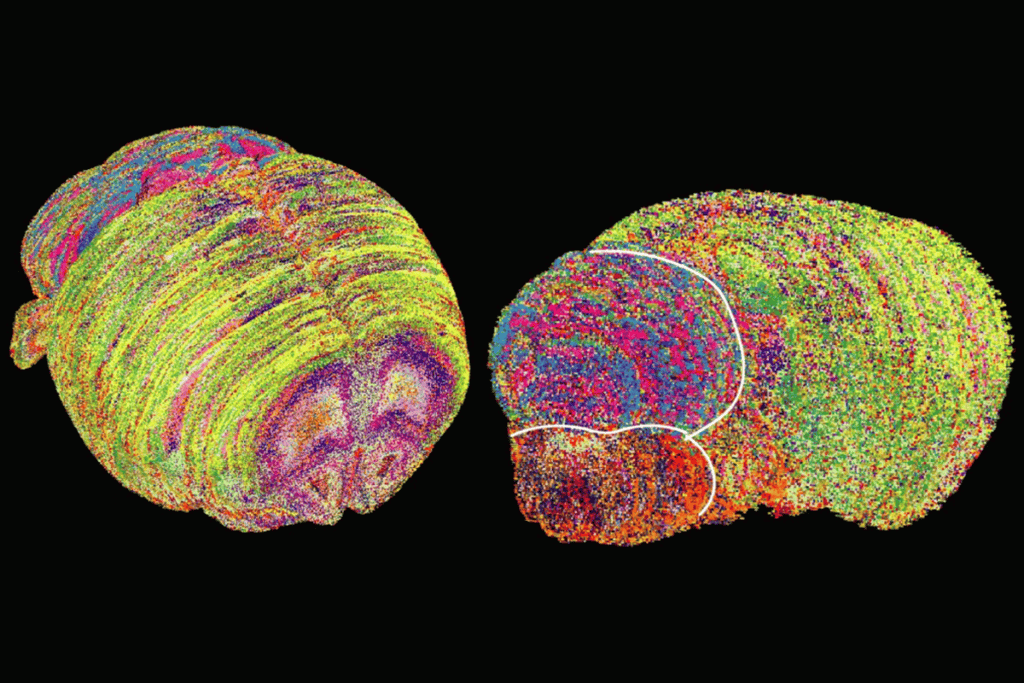
Lipids enter brain mapping limelight
Two new studies, including the first whole-brain lipid atlas in mice, uncover unforeseen complexity and influence during pregnancy and aging.
Lipids enter brain mapping limelight
Two new studies, including the first whole-brain lipid atlas in mice, uncover unforeseen complexity and influence during pregnancy and aging.
By
Lauren Schenkman
27 October 2026 | 6 min read
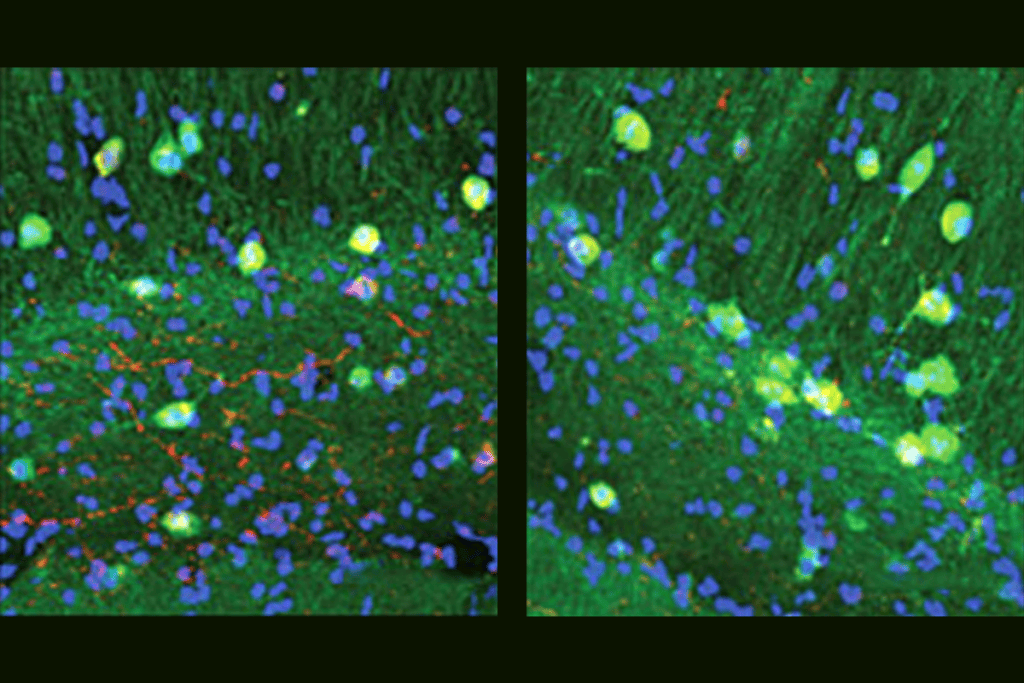
Behavioral phenomics in zebrafish; and more
Here is a roundup of autism-related news and research spotted around the web for the week of 26 October.
Behavioral phenomics in zebrafish; and more
Here is a roundup of autism-related news and research spotted around the web for the week of 26 October.
By
Jill Adams
27 October 2026 | 2 min read

Neuroscience gave AI its start. What happens now?
David Sussillo maps the two fields' divergent paths, and where they might still meet.
Neuroscience gave AI its start. What happens now?
David Sussillo maps the two fields' divergent paths, and where they might still meet.
By
Emily Singer
27 October 2026 | 10 min read