Jeanne Erdmann is an award-winning health and science writer based in Wentzville, Mo. A member of Association of
Health Care Journalists board of directors, she is the chair of the organization’s Freelance Committee. Her work has appeared in Discover, Women’s Health, Aeon, Slate, The Washington Post, Nature, Nature Medicine and other publications. You can follow her at @jeanne_erdmann.
Jeanne Erdmann
From this contributor
Analysis pins down prevalence of mental health conditions in autism
Eight mental health conditions occur unusually often in autistic people, a new analysis suggests.
Analysis pins down prevalence of mental health conditions in autism
By
Jeanne Erdmann
7 October 2019 | 2 min read
Drug screen reveals potential treatments for Rett syndrome
An experimental leukemia drug and a chemical in black pepper ease breathing and movement problems in a mouse model of Rett syndrome.
Drug screen reveals potential treatments for Rett syndrome
By
Jeanne Erdmann
11 September 2019 | 4 min read
Explore more from The Transmitter
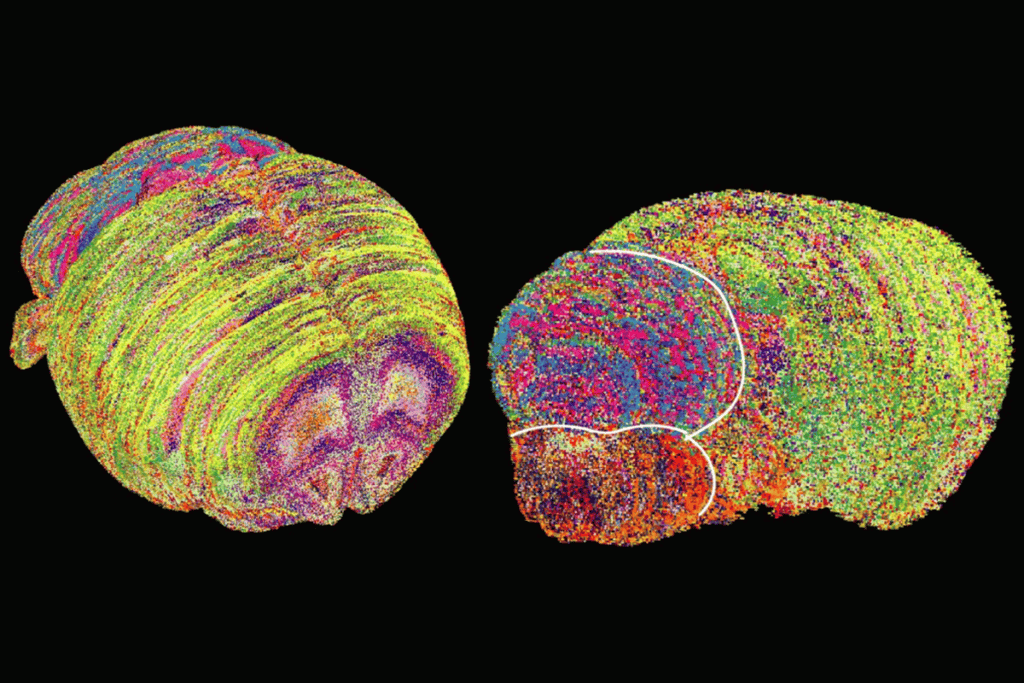
Lipids enter brain mapping limelight
Two new studies, including the first whole-brain lipid atlas in mice, uncover unforeseen complexity and influence during pregnancy and aging.
Lipids enter brain mapping limelight
Two new studies, including the first whole-brain lipid atlas in mice, uncover unforeseen complexity and influence during pregnancy and aging.
By
Lauren Schenkman
27 October 2026 | 6 min read
Behavioral phenomics in zebrafish; and more
Here is a roundup of autism-related news and research spotted around the web for the week of 26 October.
Behavioral phenomics in zebrafish; and more
Here is a roundup of autism-related news and research spotted around the web for the week of 26 October.
By
Jill Adams
27 October 2026 | 2 min read

Neuroscience gave AI its start. What happens now?
David Sussillo maps the two fields' divergent paths, and where they might still meet.
Neuroscience gave AI its start. What happens now?
David Sussillo maps the two fields' divergent paths, and where they might still meet.
By
Emily Singer
27 October 2026 | 10 min read