How to teach this paper
Recent articles
This column by Ashley Juavinett guides educators and self-learners through recent seminal neuroscience papers.

How to teach programming in the age of AI
Scientists and educators are concerned about students using artificial intelligence to shortcut their learning. But there are also opportunities, especially when it comes to teaching neuroscience students how to code.
How to teach programming in the age of AI
Scientists and educators are concerned about students using artificial intelligence to shortcut their learning. But there are also opportunities, especially when it comes to teaching neuroscience students how to code.
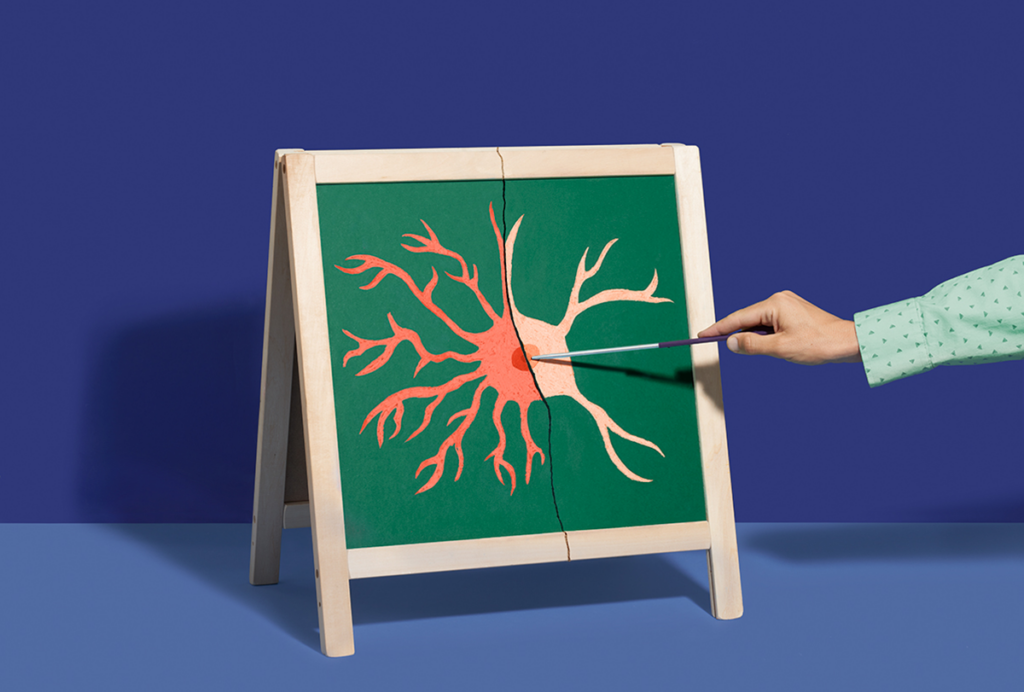
How to teach this paper: ‘Neurotoxic reactive astrocytes are induced by activated microglia,’ by Liddelow et al. (2017)
Shane Liddelow and his collaborators identified the factors that transform astrocytes from their helpful to harmful form. Their work is a great choice if you want to teach students about glial cell types, cell culture, gene expression or protein measurement.
How to teach this paper: ‘Neurotoxic reactive astrocytes are induced by activated microglia,’ by Liddelow et al. (2017)
Shane Liddelow and his collaborators identified the factors that transform astrocytes from their helpful to harmful form. Their work is a great choice if you want to teach students about glial cell types, cell culture, gene expression or protein measurement.
How to teach students about science funding
As researchers reel over the uncertain state of U.S. federal funding, educating students on the business of science is more important than ever.
How to teach students about science funding
As researchers reel over the uncertain state of U.S. federal funding, educating students on the business of science is more important than ever.

How to teach this paper: ‘Coordination of entorhinal-hippocampal ensemble activity during associative learning,’ by Igarashi et al. (2014)
Kei Igarashi and his colleagues established an important foundation in memory research: the premise that brain regions oscillate together to form synaptic connections and, ultimately, memories.
How to teach this paper: ‘Coordination of entorhinal-hippocampal ensemble activity during associative learning,’ by Igarashi et al. (2014)
Kei Igarashi and his colleagues established an important foundation in memory research: the premise that brain regions oscillate together to form synaptic connections and, ultimately, memories.

How to teach this paper: ‘Behavioral time scale synaptic plasticity underlies CA1 place fields,’ by Bittner and Milstein et al. (2017)
Katie Bittner, Aaron Milstein and their colleagues found that cellular learning can happen over longer timescales than Hebb’s rule predicts. How long should we wait to teach students about this phenomenon?
How to teach this paper: ‘Behavioral time scale synaptic plasticity underlies CA1 place fields,’ by Bittner and Milstein et al. (2017)
Katie Bittner, Aaron Milstein and their colleagues found that cellular learning can happen over longer timescales than Hebb’s rule predicts. How long should we wait to teach students about this phenomenon?
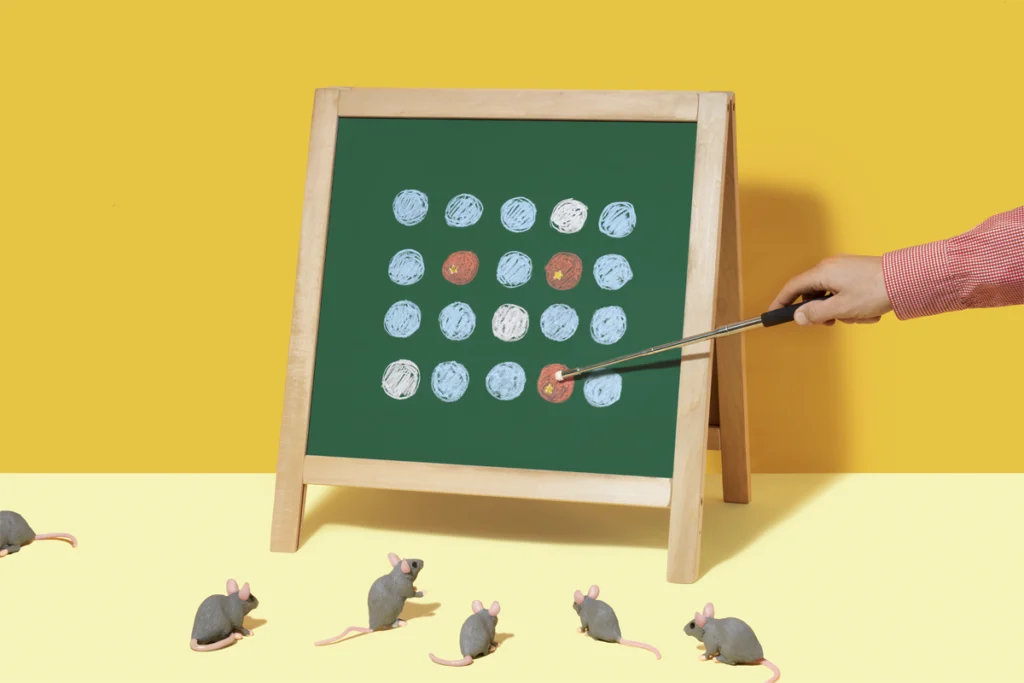
How to teach this paper: ‘Creating a false memory in the hippocampus,’ by Ramirez and Liu et al. (2013)
We’ve known how to implant memories in mouse minds for a decade. Can we implant these ideas in our students?
How to teach this paper: ‘Creating a false memory in the hippocampus,’ by Ramirez and Liu et al. (2013)
We’ve known how to implant memories in mouse minds for a decade. Can we implant these ideas in our students?
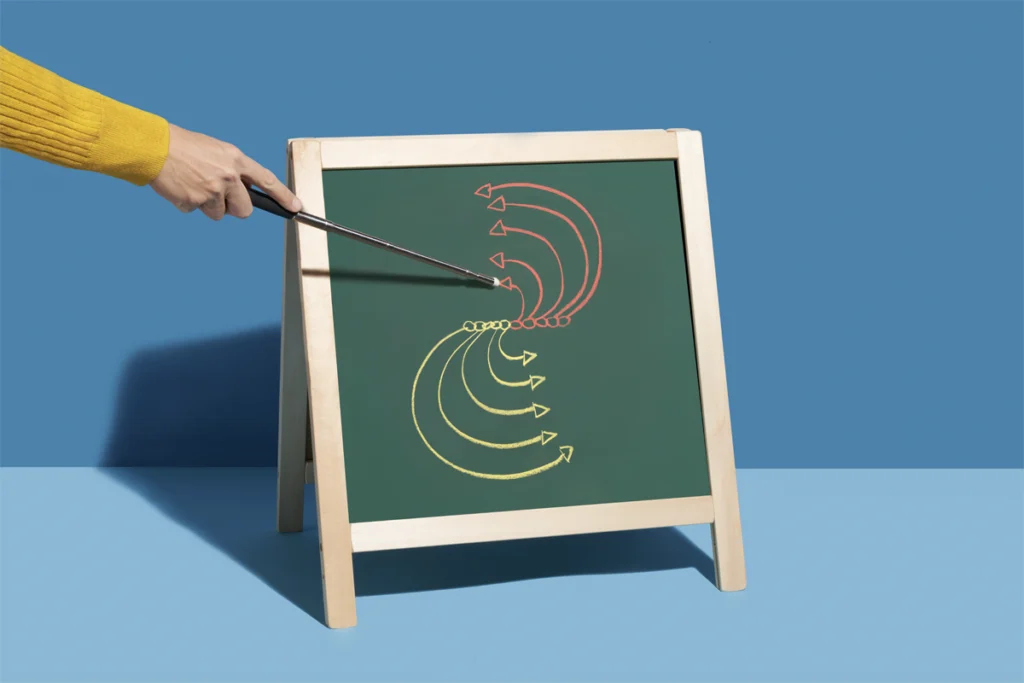
How to teach this paper: ‘Neural population dynamics during reaching,’ by Churchland & Cunningham et al. (2012)
This foundational paper, with more than 1,500 citations, is an important departure from early neuroscience research. Don’t be afraid of the math in the first paragraph.
How to teach this paper: ‘Neural population dynamics during reaching,’ by Churchland & Cunningham et al. (2012)
This foundational paper, with more than 1,500 citations, is an important departure from early neuroscience research. Don’t be afraid of the math in the first paragraph.
Explore more from The Transmitter
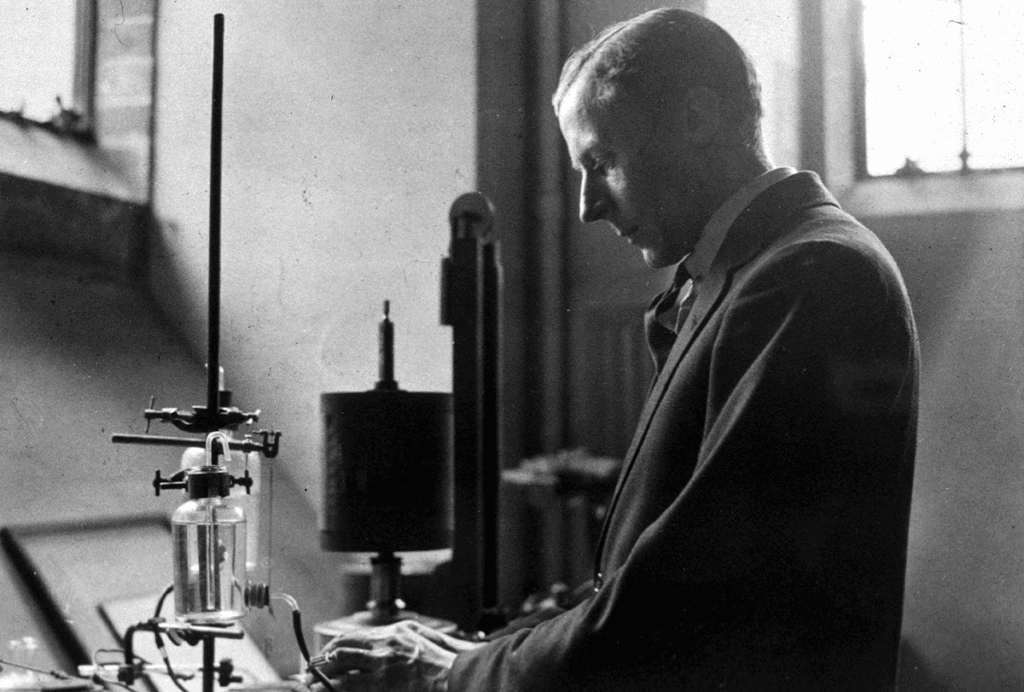
The neural code at 100
In two 1926 articles, Edgar Douglas Adrian revealed that neurons communicate through trains of spikes.
The neural code at 100
In two 1926 articles, Edgar Douglas Adrian revealed that neurons communicate through trains of spikes.
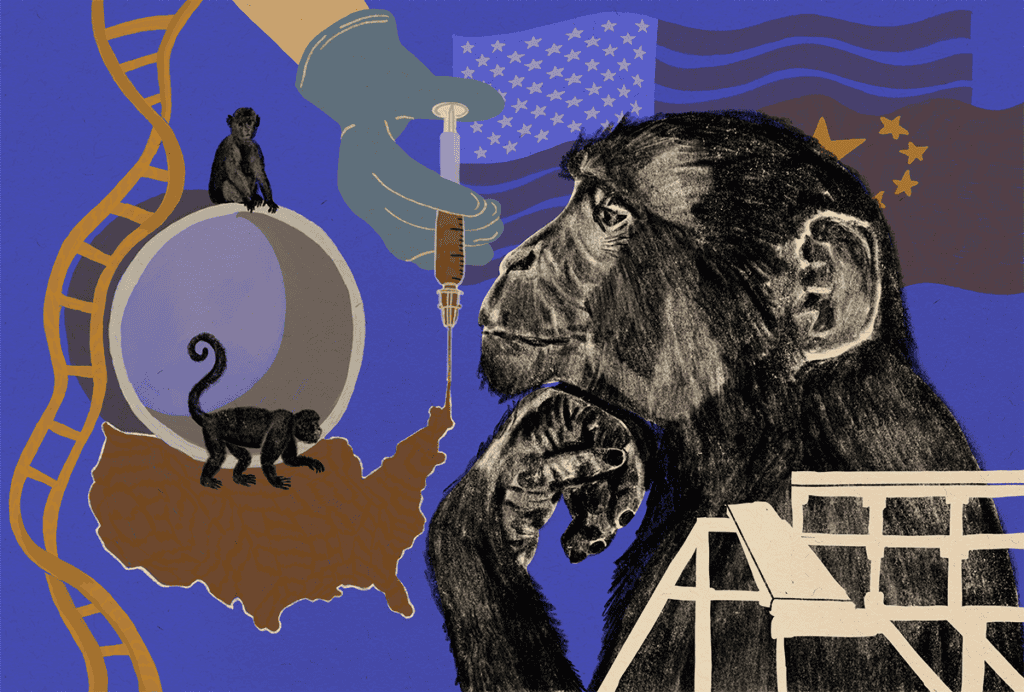
U.S. national primate research centers face an uncertain future
The facilities were meant to last 100 years. Four decades shy of that mark, amid flatlined funds and mounting political pressure, their directors are trying to find a path forward.
U.S. national primate research centers face an uncertain future
The facilities were meant to last 100 years. Four decades shy of that mark, amid flatlined funds and mounting political pressure, their directors are trying to find a path forward.
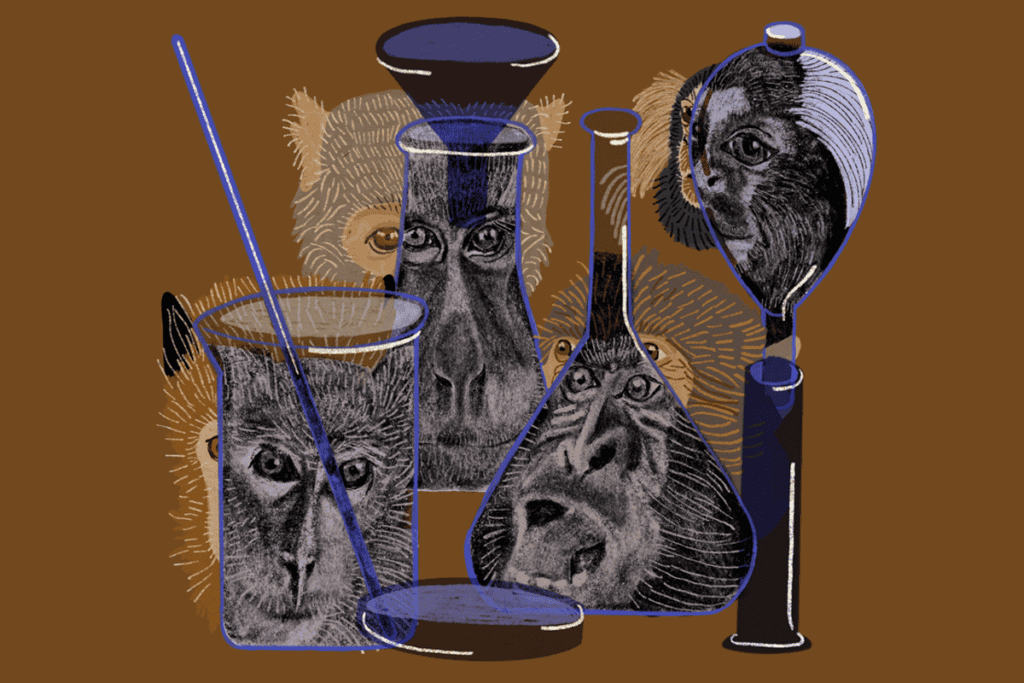
What if nonhuman primate research goes away?
As the U.S. government takes steps to stop using nonhuman primates in research, The Transmitter investigates what that shift could mean for neuroscience.
What if nonhuman primate research goes away?
As the U.S. government takes steps to stop using nonhuman primates in research, The Transmitter investigates what that shift could mean for neuroscience.