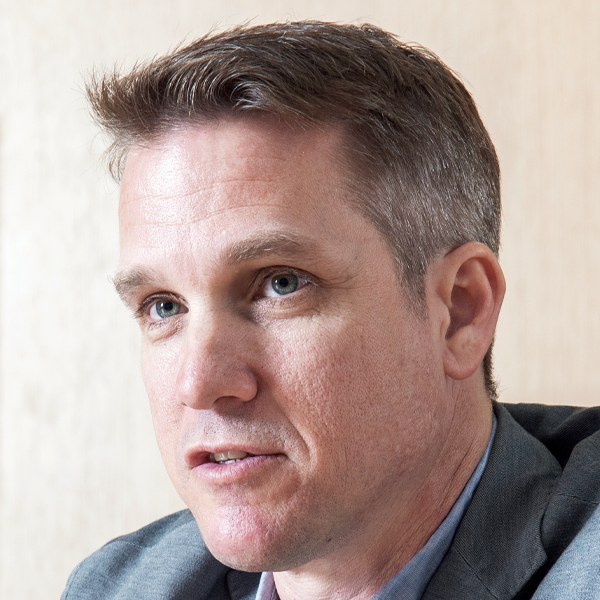
Joshua P. Johansen earned his B.A. in psychology at the University of Colorado Boulder and then worked with Howard Fields at the University of California, San Francisco, where he began studying how pain-related experiences form memories that shape adaptive behavior. He earned his Ph.D. with Tad Blair at the University of California, Los Angeles, and completed postdoctoral training with Joseph LeDoux at New York University, examining how aversive experiences are encoded in the brain’s emotion systems to guide learning and memory.
Since 2011, he has been team director of the Laboratory for the Neural Circuitry of Learning and Memory at the RIKEN Center for Brain Science. The Johansen Lab aims to clarify the neural circuits and coding mechanisms that support emotional learning and memory, and how these processes become disrupted in anxiety- and trauma-related psychiatric disorders. His group has identified brain mechanisms by which innately aversive events generate emotional states that instruct memory formation and has described an organizational principle for how brainstem noradrenergic circuits regulate diverse functions, including emotional learning and behavioral flexibility. More recently, the lab has investigated higher-order emotions and found that the medial prefrontal cortex encodes internal models of emotion that support inference.