Natasha Marrus is a board-certified child and adolescent psychiatrist and associate professor of psychiatry at Washington University School of Medicine in St. Louis. She has more than 10 years of experience in developmental neuroimaging and applying novel phenotyping of autism-relevant behaviors in infancy to quantify their relationship to later autism outcomes.
Natasha Marrus
Associate professor of psychiatry
Washington University School of Medicine in St. Louis
From this contributor
By
Sneha Chaturvedi, John Constantino, Natasha Marrus, Sven Sandin, Benjamin Yip
19 September 2024
6 min read

Autism is more heritable in boys than in girls
If boys have greater inherited liability for autism, the female protective effect may not fully explain the sex difference in prevalence.
Autism is more heritable in boys than in girls
By
Sneha Chaturvedi, John Constantino, Natasha Marrus, Sven Sandin, Benjamin Yip
19 September 2024 | 6 min read
Explore more from The Transmitter
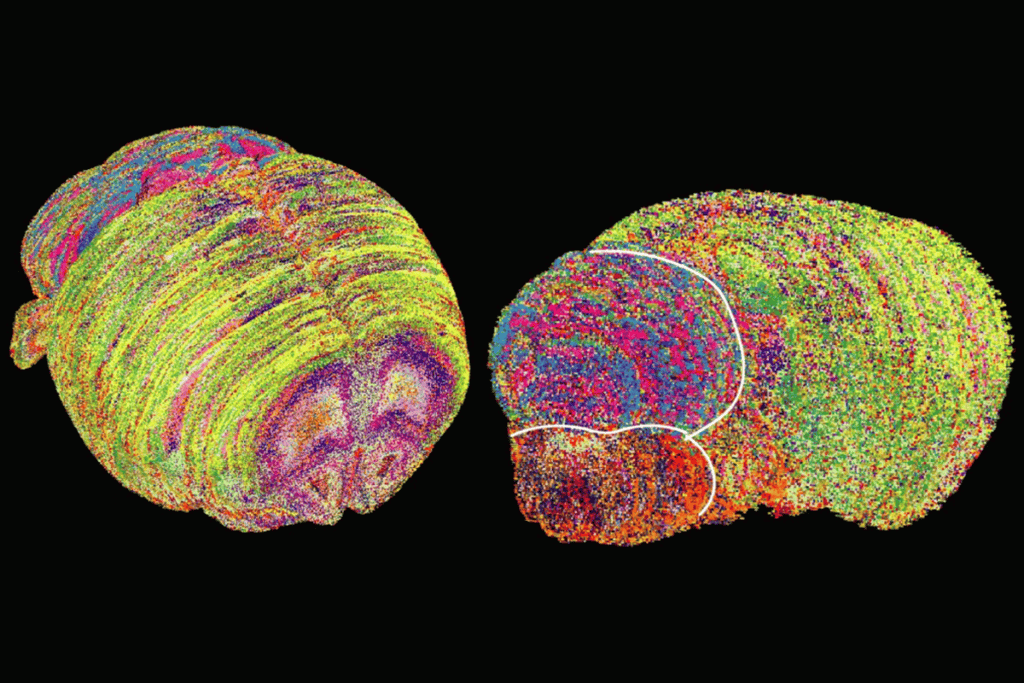
Lipids enter brain mapping limelight
Two new studies, including the first whole-brain lipid atlas in mice, uncover unforeseen complexity and influence during pregnancy and aging.
Lipids enter brain mapping limelight
Two new studies, including the first whole-brain lipid atlas in mice, uncover unforeseen complexity and influence during pregnancy and aging.
By
Lauren Schenkman
27 October 2026 | 6 min read
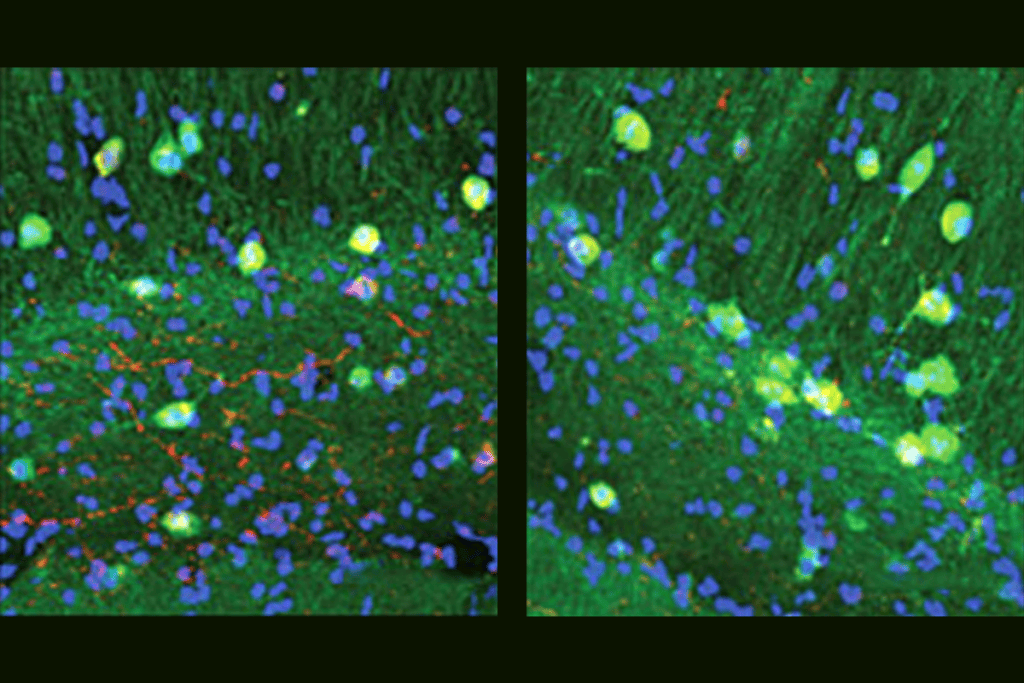
Behavioral phenomics in zebrafish; and more
Here is a roundup of autism-related news and research spotted around the web for the week of 26 October.
Behavioral phenomics in zebrafish; and more
Here is a roundup of autism-related news and research spotted around the web for the week of 26 October.
By
Jill Adams
27 October 2026 | 2 min read

Neuroscience gave AI its start. What happens now?
David Sussillo maps the two fields' divergent paths, and where they might still meet.
Neuroscience gave AI its start. What happens now?
David Sussillo maps the two fields' divergent paths, and where they might still meet.
By
Emily Singer
27 October 2026 | 10 min read