Benjamin Yip is associate professor of public health and statistics at the Chinese University of Hong Kong. He is an epidemiologist who has led the development and application of statistical models to disentangle the genetic and environmental underpinnings of autism and other neuropsychiatric conditions.

Benjamin Yip
Associate professor of public health and statistics
Chinese University of Hong Kong
From this contributor
By
Sneha Chaturvedi, John Constantino, Natasha Marrus, Sven Sandin, Benjamin Yip
19 September 2024
6 min read

Autism is more heritable in boys than in girls
If boys have greater inherited liability for autism, the female protective effect may not fully explain the sex difference in prevalence.
Autism is more heritable in boys than in girls
By
Sneha Chaturvedi, John Constantino, Natasha Marrus, Sven Sandin, Benjamin Yip
19 September 2024 | 6 min read
Explore more from The Transmitter
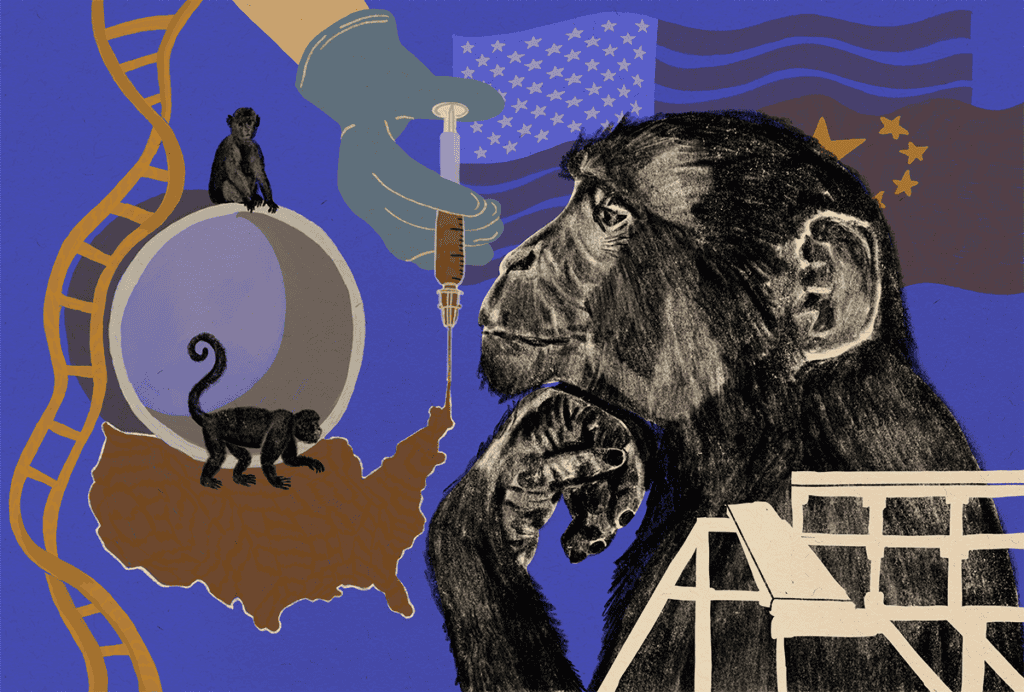
U.S. national primate research centers face an uncertain future
The facilities were meant to last 100 years. Four decades shy of that mark, amid flatlined funds and mounting political pressure, their directors are trying to find a path forward.
U.S. national primate research centers face an uncertain future
The facilities were meant to last 100 years. Four decades shy of that mark, amid flatlined funds and mounting political pressure, their directors are trying to find a path forward.
By
Calli McMurray
9 October 2026 | 12 min read
What if nonhuman primate research goes away?
As the U.S. government takes steps to stop using nonhuman primates in research, The Transmitter investigates what that shift could mean for neuroscience.
What if nonhuman primate research goes away?
As the U.S. government takes steps to stop using nonhuman primates in research, The Transmitter investigates what that shift could mean for neuroscience.
By
The Transmitter
9 October 2026 | 2 min read
The neuroscience questions that need nonhuman primates
The Transmitter asked 17 neuroscientists what questions might remain unanswered if support for nonhuman primate research continues to decline.
The neuroscience questions that need nonhuman primates
The Transmitter asked 17 neuroscientists what questions might remain unanswered if support for nonhuman primate research continues to decline.
By
Alissa de Chassey
9 October 2026 | 10 min read