Sue Carter is executive director of the Kinsey Institute at Indiana University.
Sue Carter
Executive director
Kinsey Institute, Indiana University
From this contributor

Oxytocin’s power
A new study shows that long-term treatment with oxytocin, a hormone that typically enhances social bonds, can have unexpected consequences, says Sue Carter, a research scientist at RTI International.
Explore more from The Transmitter
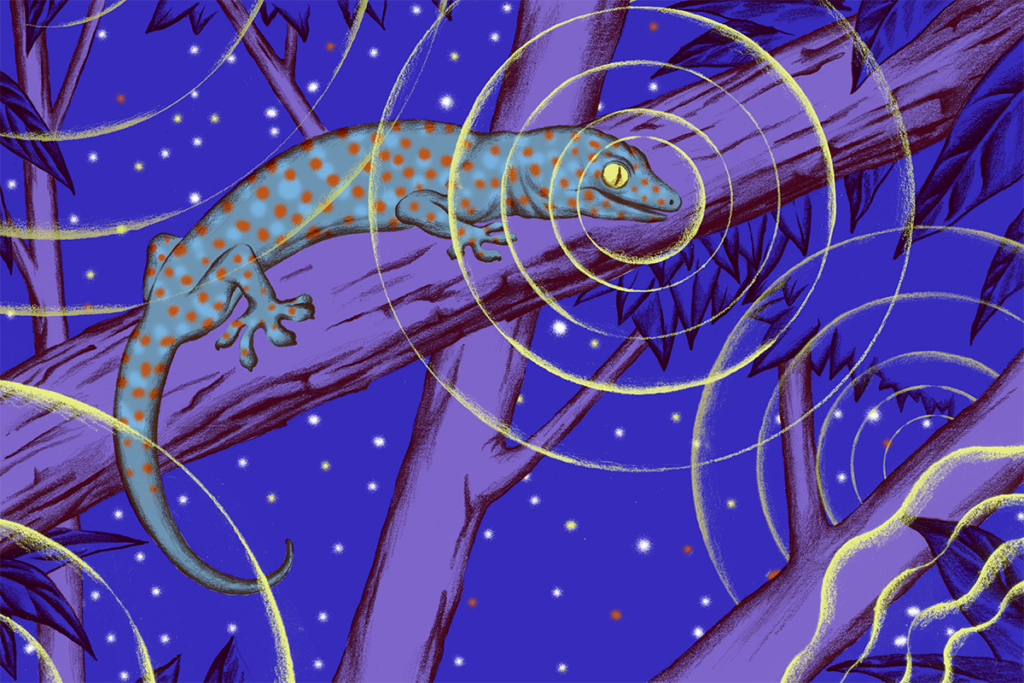
Neuro’s ark: Sounding out the evolution of hearing with geckos
Catherine Carr explains her discovery that geckos retain a vibration-sensing pathway previously thought to be lost when animals moved onto land.
Neuro’s ark: Sounding out the evolution of hearing with geckos
Catherine Carr explains her discovery that geckos retain a vibration-sensing pathway previously thought to be lost when animals moved onto land.
By
Helena Kudiabor
1 April 2026 | 5 min read
Researchers retract multisensory learning paper after failed replications
Even though one set of experiments did not hold up, the authors stand by the original conclusions of the work and plan to resubmit it as a new paper.
Researchers retract multisensory learning paper after failed replications
Even though one set of experiments did not hold up, the authors stand by the original conclusions of the work and plan to resubmit it as a new paper.
By
Calli McMurray
31 March 2026 | 4 min read
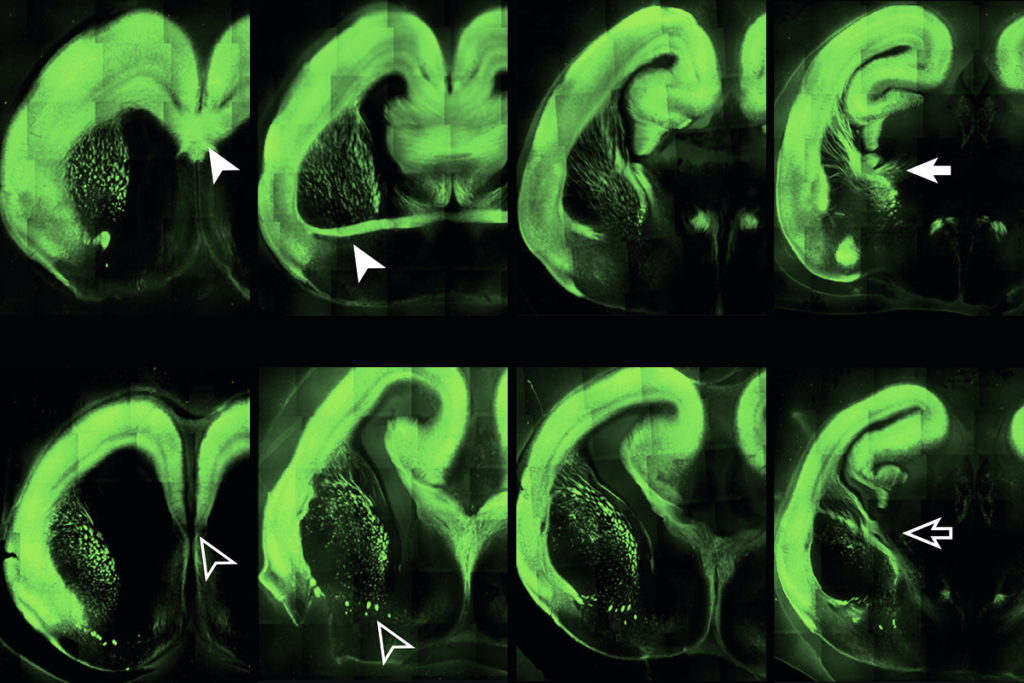
Cortical evolution, ZBTB18, and more
Here is a roundup of autism-related news and research spotted around the web for the week of 30 March.
Cortical evolution, ZBTB18, and more
Here is a roundup of autism-related news and research spotted around the web for the week of 30 March.
By
Jill Adams
31 March 2026 | 2 min read