Sue Fletcher-Watson is professor of developmental psychology at the University of Edinburgh in Scotland.
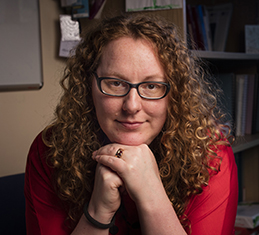
Sue Fletcher-Watson
Chancellor’s fellow in developmental psychology
University of Edinburgh
From this contributor
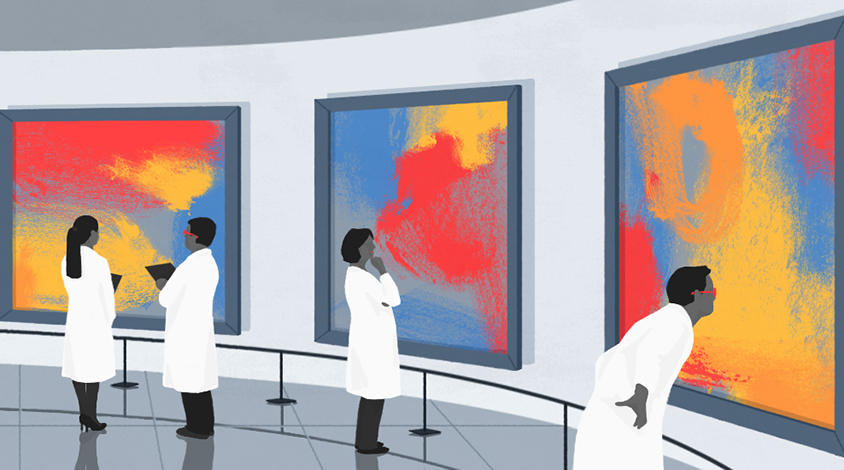
Autism research needs a dose of social science
Academics in disciplines such as law, history and the arts have the potential to make extensive contributions to the lives of people with autism.
Autism research needs a dose of social science
By
Sue Fletcher-Watson
18 July 2017 | 6 min read
Explore more from The Transmitter
University probe leads to retraction of four neural tube studies
The University of Maryland conducted an internal investigation that identified image duplications and other data integrity issues in the studies, according to the retraction notices.
University probe leads to retraction of four neural tube studies
The University of Maryland conducted an internal investigation that identified image duplications and other data integrity issues in the studies, according to the retraction notices.
By
Claudia López Lloreda
16 October 2026 | 6 min read

Highly cited autism paper earns expression of concern over data duplications
The notice, published in Nature last week, also addressed an image duplication identified by a prominent research-integrity sleuth.
Highly cited autism paper earns expression of concern over data duplications
The notice, published in Nature last week, also addressed an image duplication identified by a prominent research-integrity sleuth.
By
Madeline Shaw
16 October 2026 | 4 min read
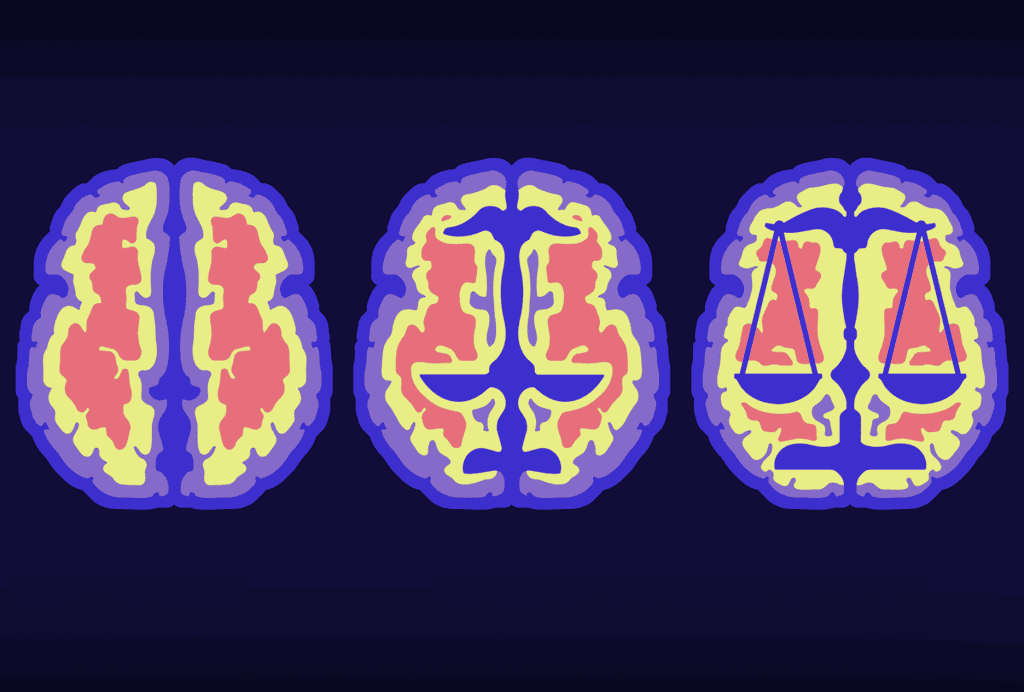
Govern neurodata by how it’s used, not where it’s from
New neurodata laws will shape how researchers gather, share and reuse brain data. A use-based governance protects basic researchers and those whose data are being used, without freezing science.
Govern neurodata by how it’s used, not where it’s from
New neurodata laws will shape how researchers gather, share and reuse brain data. A use-based governance protects basic researchers and those whose data are being used, without freezing science.
By
José M. Muñoz
16 October 2026 | 7 min read