Sarah DeWeerdt is a Seattle-based freelance science writer specializing in biology, medicine and the environment. Her work has appeared in publications including Nature, Newsweek, Conservation and Nautilus. She has been a regular contributor to The Transmitter since 2010, writing conference reports, news and Deep Dive articles.

Sarah DeWeerdt
Contributing writer
From this contributor
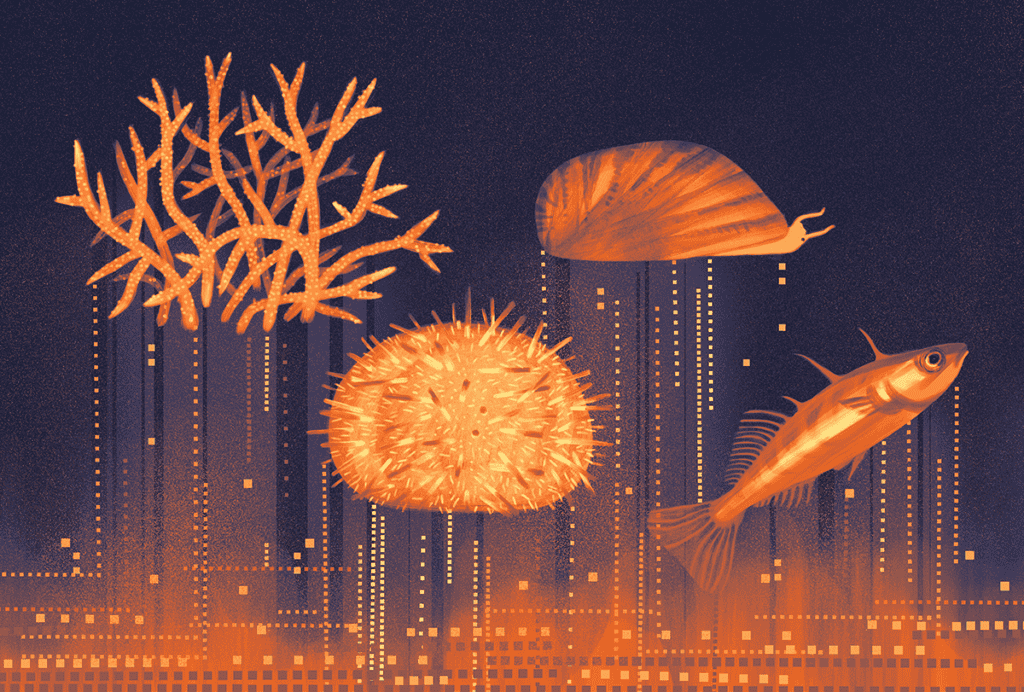
Climate neuroscience needs ‘integration’ and ‘guided’ research
Five years after a groundbreaking paper, can a young field move beyond piecemeal studies?
Climate neuroscience needs ‘integration’ and ‘guided’ research
By
Sarah DeWeerdt
21 August 2026 | 8 min read
Novel assembloid illuminates serotonin changes linked to 22q11.2 deletion
The combination of a serotonin-producing organoid with an organoid based on the developing cerebral cortex offers a new way to investigate neuromodulation.
Novel assembloid illuminates serotonin changes linked to 22q11.2 deletion
By
Sarah DeWeerdt
30 April 2026 | 0 min watch
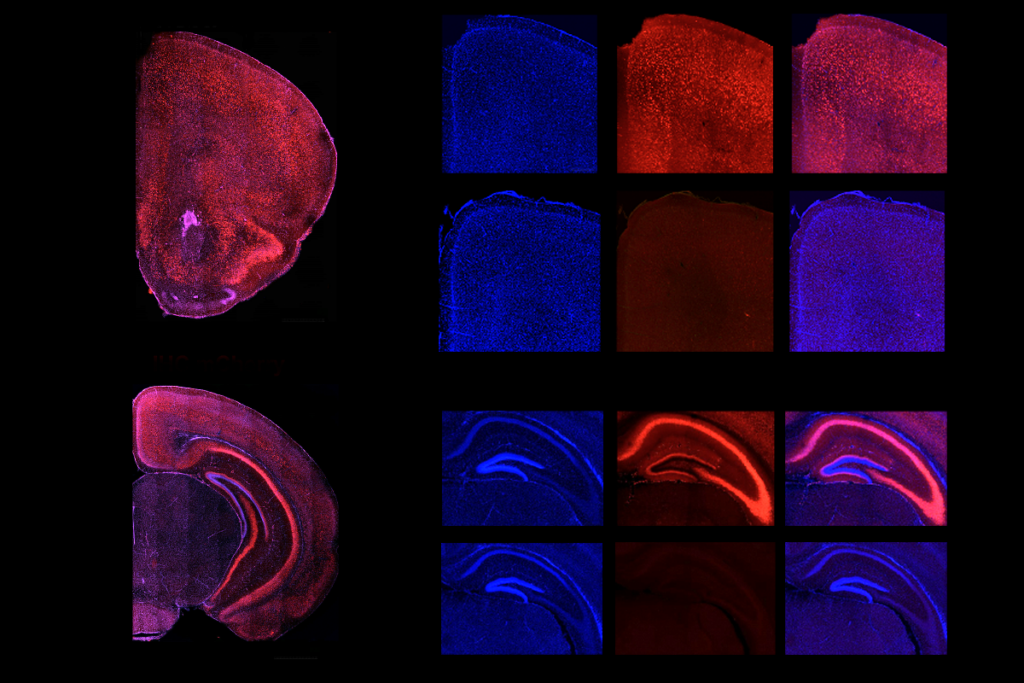
Ramping up cortical activity in early life sparks autism-like behaviors in mice
The findings add fuel to the long-running debate over how an imbalance in excitatory and inhibitory signaling contributes to the autism.
Ramping up cortical activity in early life sparks autism-like behaviors in mice
By
Sarah DeWeerdt
30 October 2025 | 6 min read
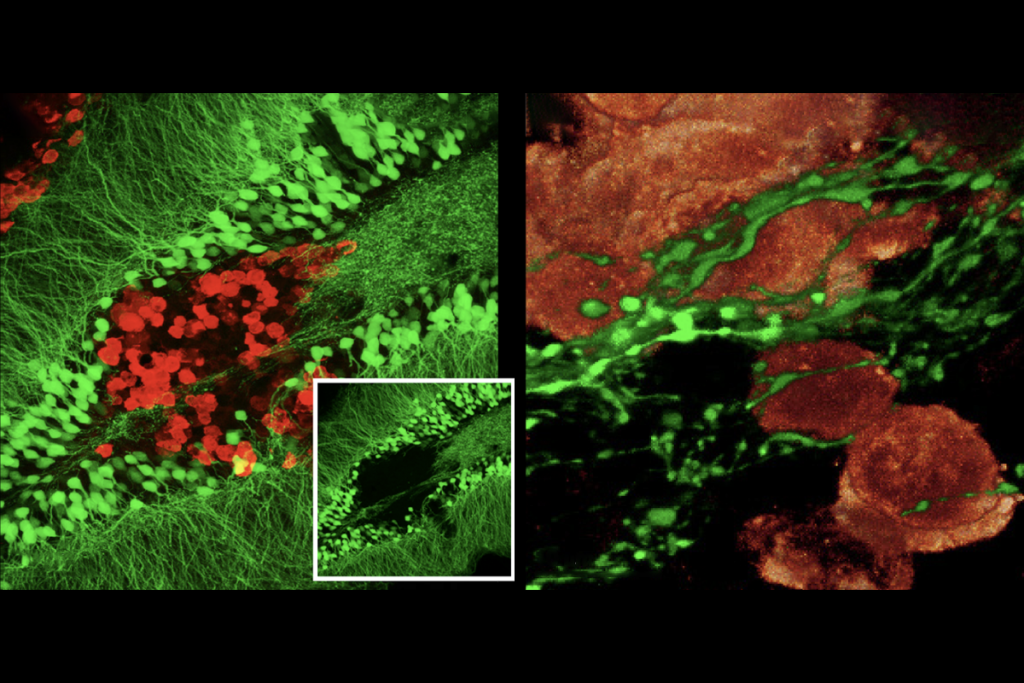
Neurons fuel lung tumors that have spread to brain
Functional synapses between brain cells and cancer cells are key to the metastatic growth, according to new findings from two independent teams.
Neurons fuel lung tumors that have spread to brain
By
Sarah DeWeerdt
6 October 2025 | 6 min read
Assembloids illuminate circuit-level changes linked to autism, neurodevelopment
These complex combinations of organoids afford a closer look at how gene alterations affect certain brain networks.
Assembloids illuminate circuit-level changes linked to autism, neurodevelopment
By
Sarah DeWeerdt
19 December 2024 | 0 min watch
Explore more from The Transmitter
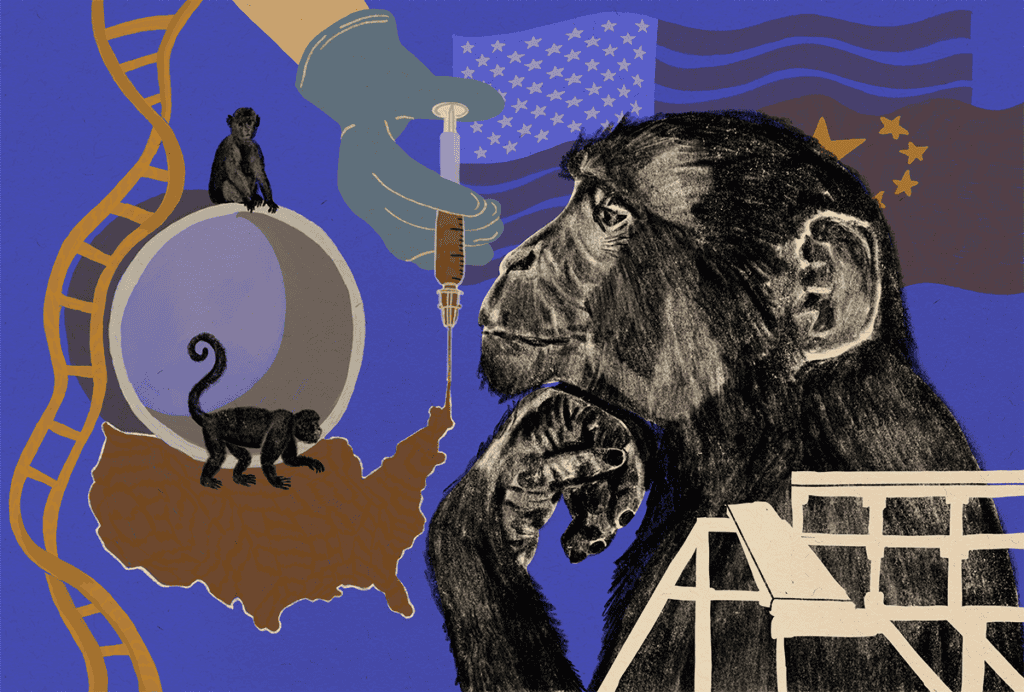
U.S. national primate research centers face an uncertain future
The facilities were meant to last 100 years. Four decades shy of that mark, amid flatlined funds and mounting political pressure, their directors are trying to find a path forward.
U.S. national primate research centers face an uncertain future
The facilities were meant to last 100 years. Four decades shy of that mark, amid flatlined funds and mounting political pressure, their directors are trying to find a path forward.
By
Calli McMurray
9 October 2026 | 12 min read
What if nonhuman primate research goes away?
As the U.S. government takes steps to stop using nonhuman primates in research, The Transmitter investigates what that shift could mean for neuroscience.
What if nonhuman primate research goes away?
As the U.S. government takes steps to stop using nonhuman primates in research, The Transmitter investigates what that shift could mean for neuroscience.
By
The Transmitter
9 October 2026 | 2 min read
The neuroscience questions that need nonhuman primates
The Transmitter asked 17 neuroscientists what questions might remain unanswered if support for nonhuman primate research continues to decline.
The neuroscience questions that need nonhuman primates
The Transmitter asked 17 neuroscientists what questions might remain unanswered if support for nonhuman primate research continues to decline.
By
Alissa de Chassey
9 October 2026 | 10 min read