Tim Requarth is director of graduate science writing and research assistant professor of neuroscience at the NYU Grossman School of Medicine, where he studies how artificial intelligence is changing the way scientists think, learn and write. He writes “The Third Hemisphere,” a newsletter that explores AI’s effects on cognition from a neuroscientist’s perspective.His essays and reporting have appeared in The New York Times, The Atlantic, and Slate, where he is a contributing writer.
Tim Requarth
Director of graduate science writing, Research Assistant Professor of Neuroscience and Physiology
NYU Grossman School of Medicine
From this contributor

The next unit of science: Is the scientific paper due to be replaced?
Artificial intelligence is pushing scientific publishing to the brink. For a field as sprawling as neuroscience, the crisis may also be an opportunity to finally connect findings across subfields.
The next unit of science: Is the scientific paper due to be replaced?
By
Tim Requarth
11 May 2026 | 12 min read

Why expertise won’t protect you from AI’s influence
When writing a grant or reasoning about a problem, artificial intelligence can exert a subtle bias that often goes undetected, even if we’re doing our best to be aware of it.
Why expertise won’t protect you from AI’s influence
By
Tim Requarth
4 May 2026 | 6 min read
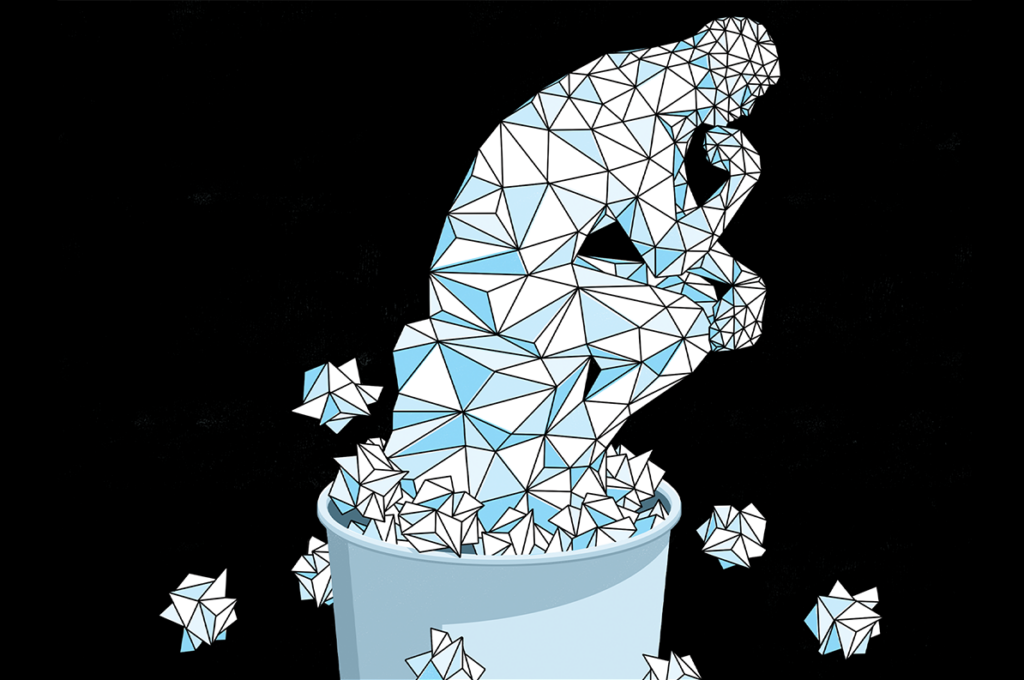
Betting blind on AI and the scientific mind
If the struggle to articulate an idea is part of how you come to understand it, then tools that bypass that struggle might degrade your capacity for the kind of thinking that matters most for actual discovery.
Betting blind on AI and the scientific mind
By
Tim Requarth
2 February 2026 | 11 min read

From bench to bot: Why AI-powered writing may not deliver on its promise
Efficiency isn’t everything. The cognitive work of struggling with prose may be a crucial part of what drives scientific progress.
From bench to bot: Why AI-powered writing may not deliver on its promise
By
Tim Requarth
2 September 2025 | 7 min read

Many students want to learn to use artificial intelligence responsibly. But their professors are struggling to meet that need.
Effectively teaching students how to employ AI in their writing assignments requires clear guidelines—and detailed, case-specific examples.
Explore more from The Transmitter

Measuring plastic in the brain: Improving, but incomplete
Meanwhile, researchers are publishing papers without “sufficient quality control,” says analytical chemist Dušan Materić.
Measuring plastic in the brain: Improving, but incomplete
Meanwhile, researchers are publishing papers without “sufficient quality control,” says analytical chemist Dušan Materić.
By
Amber Dance
18 September 2026 | 9 min read
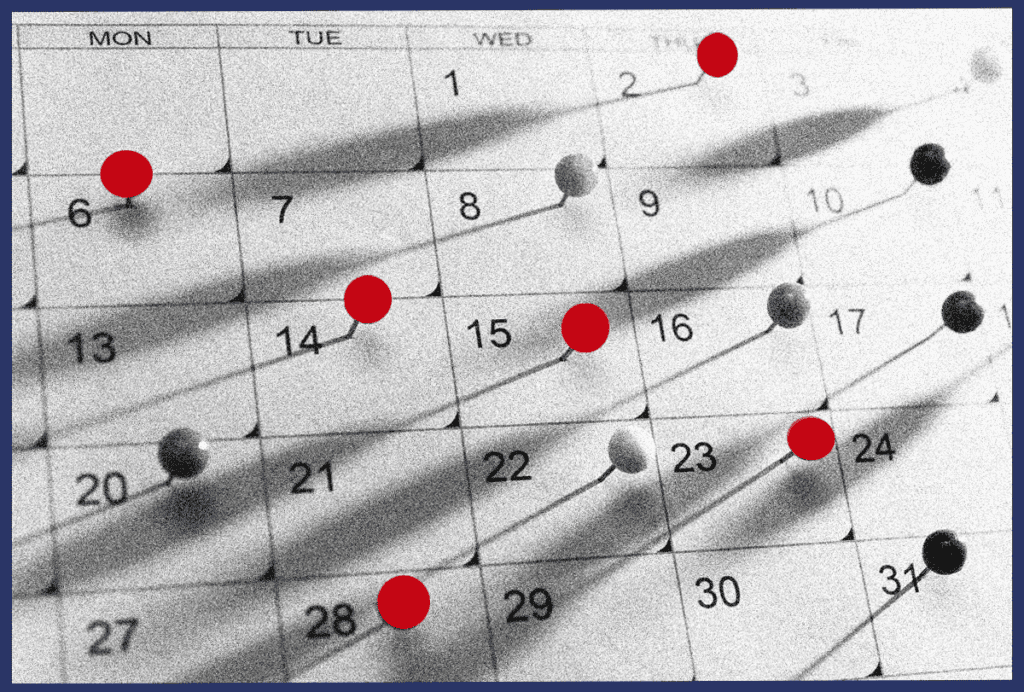
Incredible shrinking grant deadlines at the BRAIN Initiative
“A month is crazy,” says one former recipient, referring to a new funding opportunity’s timeline.
Incredible shrinking grant deadlines at the BRAIN Initiative
“A month is crazy,” says one former recipient, referring to a new funding opportunity’s timeline.
By
Brendan Borrell
17 September 2026 | 4 min read
Sylvia Fogel, reshaping U.S. autism research strategy
In a wide-ranging and provocative interview, the chair of the federal Interagency Autism Coordinating Committee shares her views on vaccines, regression, neuroimmune conditions and more.
Sylvia Fogel, reshaping U.S. autism research strategy
In a wide-ranging and provocative interview, the chair of the federal Interagency Autism Coordinating Committee shares her views on vaccines, regression, neuroimmune conditions and more.
By
Brady Huggett
17 September 2026 | 1 min read