DEI
Recent articles
Talking shop: The Transmitter’s top quotes of 2025
Find out what “may be one of the brain’s most underappreciated superpowers” and why it’s so crucial to “talk about our research in our everyday lives.”
Talking shop: The Transmitter’s top quotes of 2025
Find out what “may be one of the brain’s most underappreciated superpowers” and why it’s so crucial to “talk about our research in our everyday lives.”
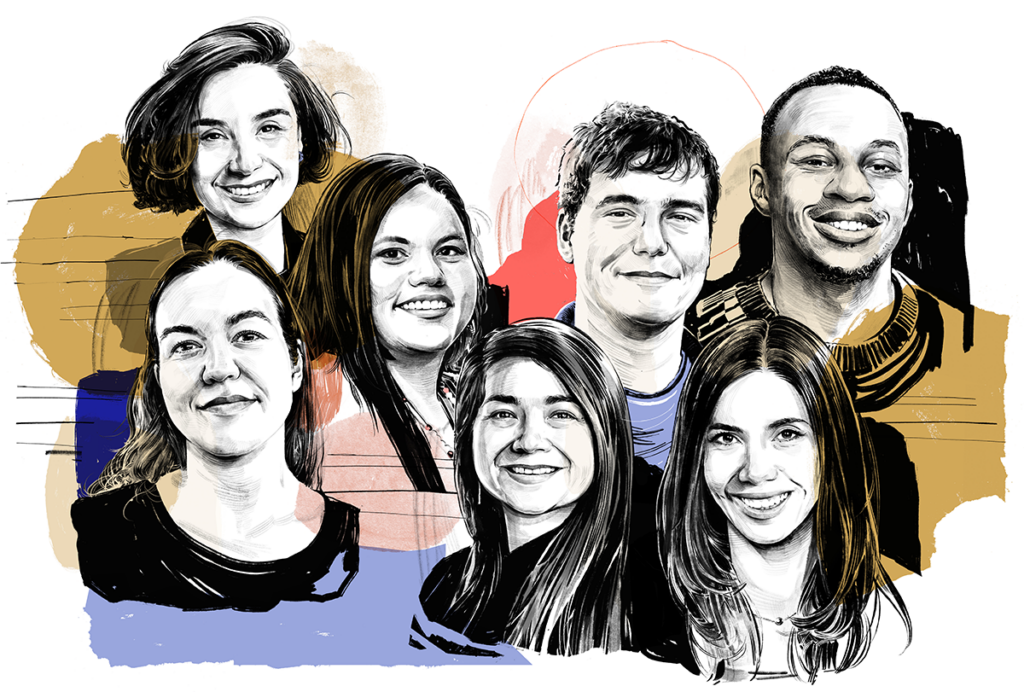
‘We still exist’: How four neuroscience advocacy groups are navigating federal DEI funding cuts
Trainees from underrepresented backgrounds are losing pillars of support in the current funding climate. Grassroots mentorship organizations are stepping in to continue championing early-career researchers.
‘We still exist’: How four neuroscience advocacy groups are navigating federal DEI funding cuts
Trainees from underrepresented backgrounds are losing pillars of support in the current funding climate. Grassroots mentorship organizations are stepping in to continue championing early-career researchers.
Spectrum 2024: Year in review
We round up our most notable autism stories of the past 12 months.
Spectrum 2024: Year in review
We round up our most notable autism stories of the past 12 months.
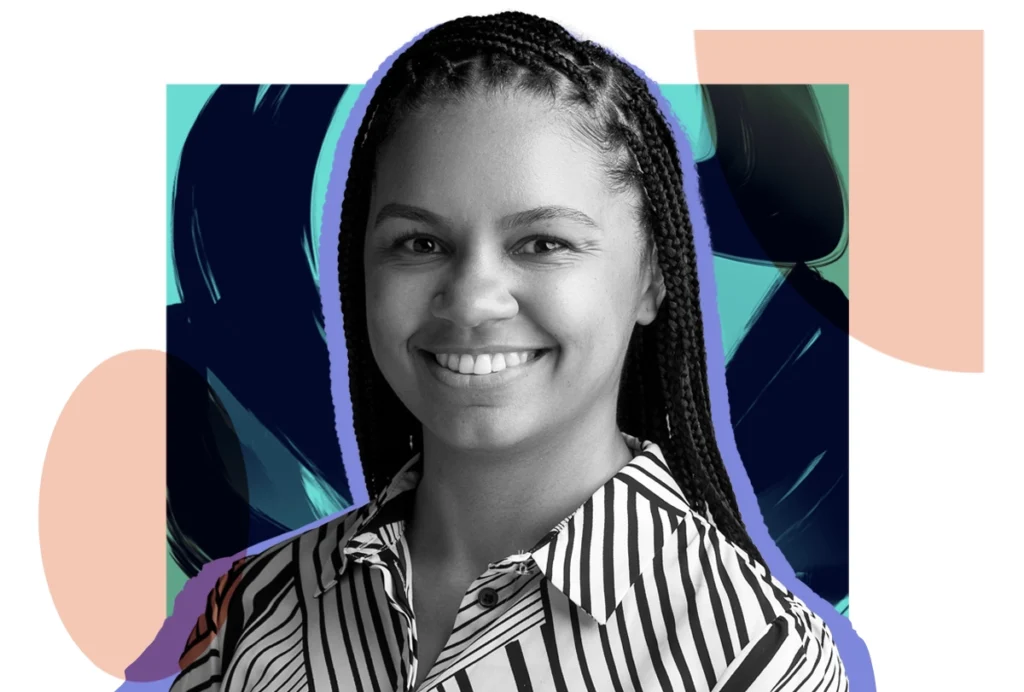
Building a global community: Q&A with Black In Neuro co-founder Clíona Kelly
As Black In Neuro Week 2024 continues through Sunday, Kelly explains how the organization expanded from its humble beginnings as a Slack channel to connect Black neuroscientists across the diaspora.
Building a global community: Q&A with Black In Neuro co-founder Clíona Kelly
As Black In Neuro Week 2024 continues through Sunday, Kelly explains how the organization expanded from its humble beginnings as a Slack channel to connect Black neuroscientists across the diaspora.
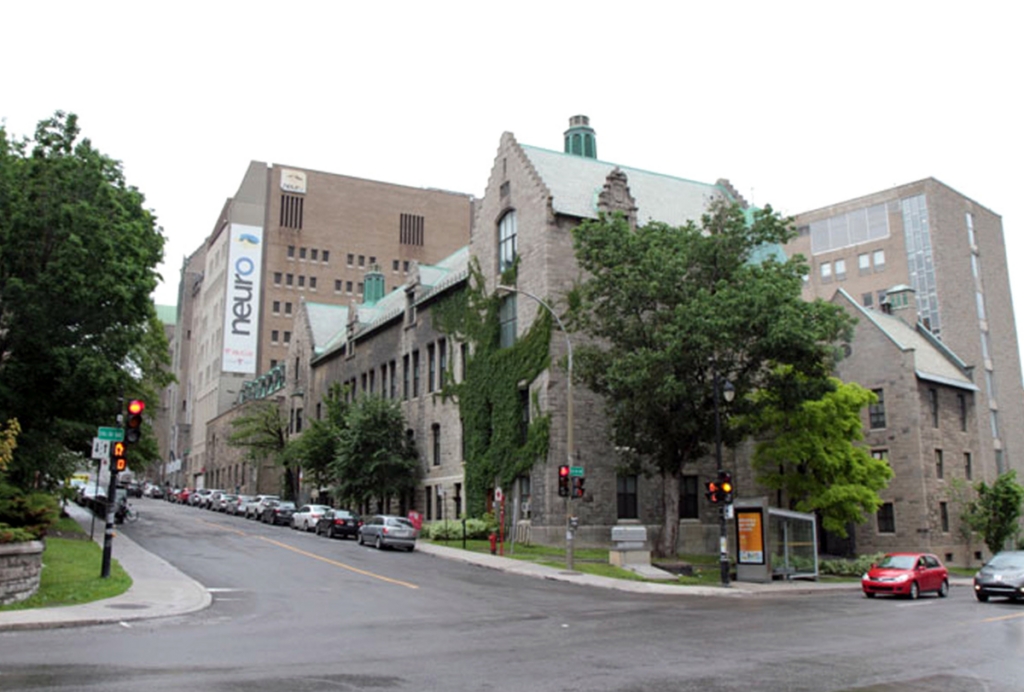
Inclusivity committee disbands in protest at Canadian neuroscience institute
The majority of an 11-person committee resigned from the group this week following news that a staff position overseeing equity, diversity and inclusion would not be renewed.
Inclusivity committee disbands in protest at Canadian neuroscience institute
The majority of an 11-person committee resigned from the group this week following news that a staff position overseeing equity, diversity and inclusion would not be renewed.
Autism research hits the road
Some scientists are thinking creatively about how to collect data in flexible environments and meet communities where they’re at.
Autism research hits the road
Some scientists are thinking creatively about how to collect data in flexible environments and meet communities where they’re at.

Neuroscience group to relocate 2025 meeting slated for Florida
Going forward, the American College of Neuropsychopharmacology plans to gather at “non-discriminatory sites,” following the passage of Florida laws targeting LGBTQ+ people and reproductive rights.
Neuroscience group to relocate 2025 meeting slated for Florida
Going forward, the American College of Neuropsychopharmacology plans to gather at “non-discriminatory sites,” following the passage of Florida laws targeting LGBTQ+ people and reproductive rights.
Black and women researchers are less likely to hold three or more NIH grants simultaneously
A growing proportion of researchers has reached such “super principal investigator” status, but the distribution is not even across demographic groups.
Black and women researchers are less likely to hold three or more NIH grants simultaneously
A growing proportion of researchers has reached such “super principal investigator” status, but the distribution is not even across demographic groups.
Explore more from The Transmitter
‘Slightly unhinged’ federal autism meeting portends unclear research priorities
The meeting last week sparked concerns about the latest Interagency Autism Coordinating Committee’s ability to perform its core function: developing a strategy to support autism research.
‘Slightly unhinged’ federal autism meeting portends unclear research priorities
The meeting last week sparked concerns about the latest Interagency Autism Coordinating Committee’s ability to perform its core function: developing a strategy to support autism research.
Ehud Ahissar offers a new kind of dualism for neuroscience
He explains how “perceptual dualism” can account for the way we communicate via digital symbols and perceive the world via analog brain processes.
Ehud Ahissar offers a new kind of dualism for neuroscience
He explains how “perceptual dualism” can account for the way we communicate via digital symbols and perceive the world via analog brain processes.
Microglia in hypothalamus help kick-start puberty
In a “surprise” role, the cells regulate the neurons that produce gonadotropin-releasing hormone.
Microglia in hypothalamus help kick-start puberty
In a “surprise” role, the cells regulate the neurons that produce gonadotropin-releasing hormone.