Top news
Recent articles

The Transmitter’s top news articles of 2025
Check out some of our most-read stories, covering neuroscience funding and policy changes in the United States, and methodological issues in high-profile neuroscience papers.
The Transmitter’s top news articles of 2025
Check out some of our most-read stories, covering neuroscience funding and policy changes in the United States, and methodological issues in high-profile neuroscience papers.

In case you missed it: Standout news stories from 2024
These five stories—on the pregnant brain, a failed imaging method and more—top our list of some of the most notable neuroscience research findings this year.
In case you missed it: Standout news stories from 2024
These five stories—on the pregnant brain, a failed imaging method and more—top our list of some of the most notable neuroscience research findings this year.
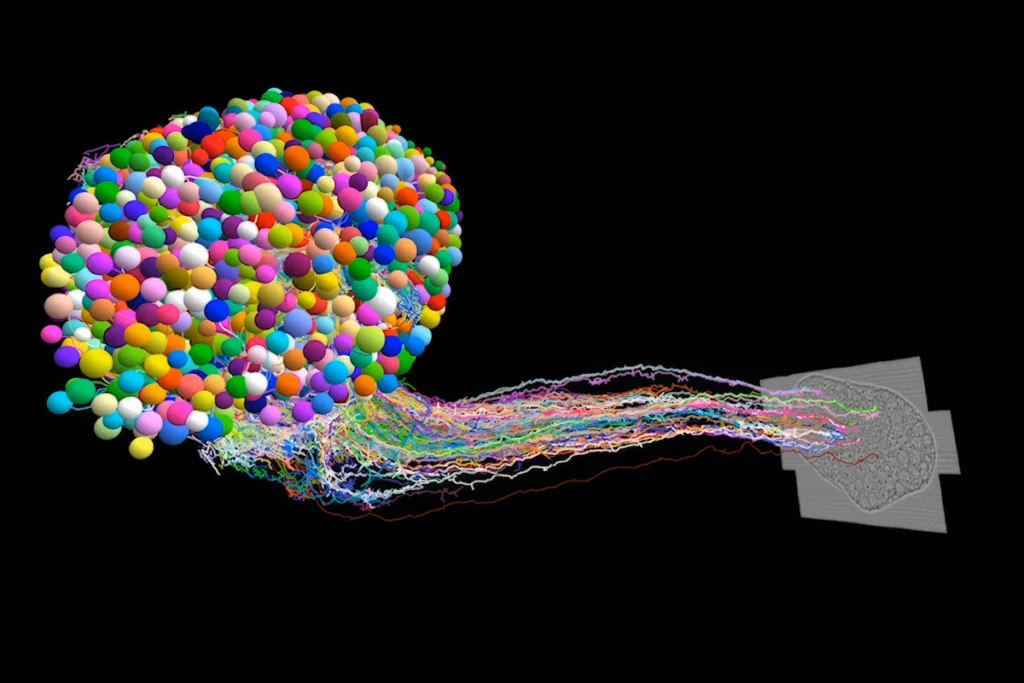
Standout neuroscience news in 2023
Did you miss any of our favorite stories from the past year? Revisit them here.
Standout neuroscience news in 2023
Did you miss any of our favorite stories from the past year? Revisit them here.
Explore more from The Transmitter
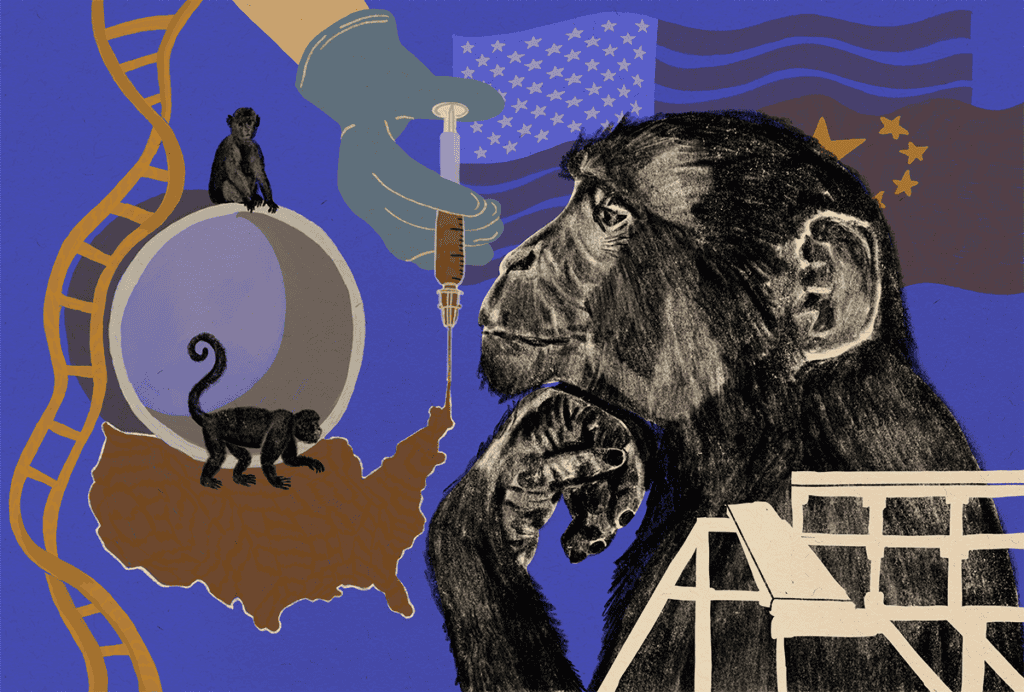
U.S. national primate research centers face an uncertain future
The facilities were meant to last 100 years. Four decades shy of that mark, amid flatlined funds and mounting political pressure, their directors are trying to find a path forward.
U.S. national primate research centers face an uncertain future
The facilities were meant to last 100 years. Four decades shy of that mark, amid flatlined funds and mounting political pressure, their directors are trying to find a path forward.
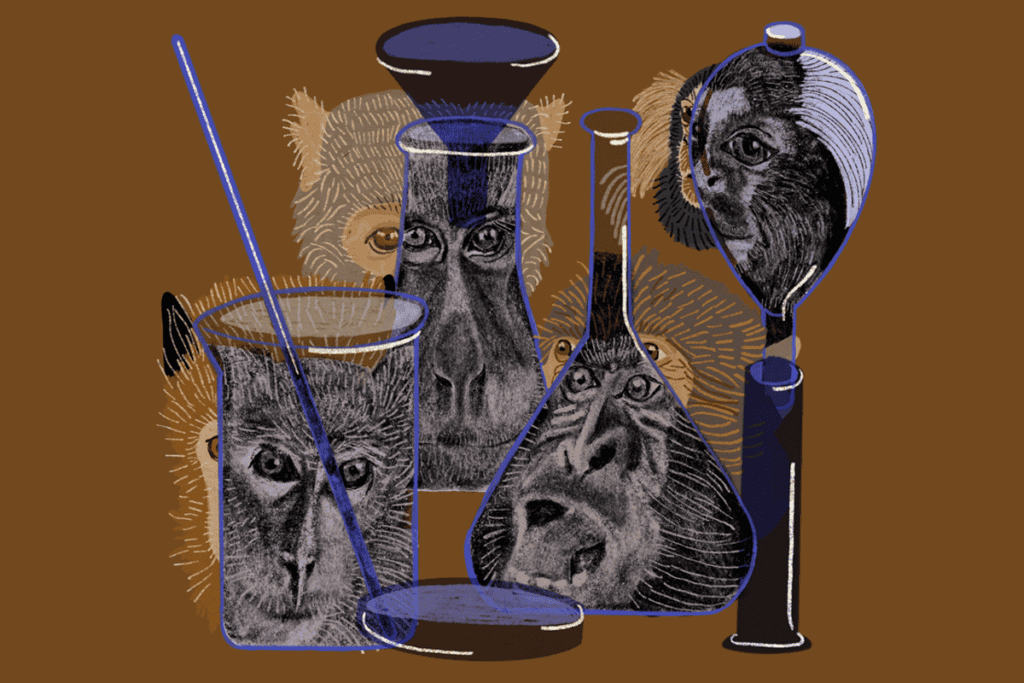
What if nonhuman primate research goes away?
As the U.S. government takes steps to stop using nonhuman primates in research, The Transmitter investigates what that shift could mean for neuroscience.
What if nonhuman primate research goes away?
As the U.S. government takes steps to stop using nonhuman primates in research, The Transmitter investigates what that shift could mean for neuroscience.
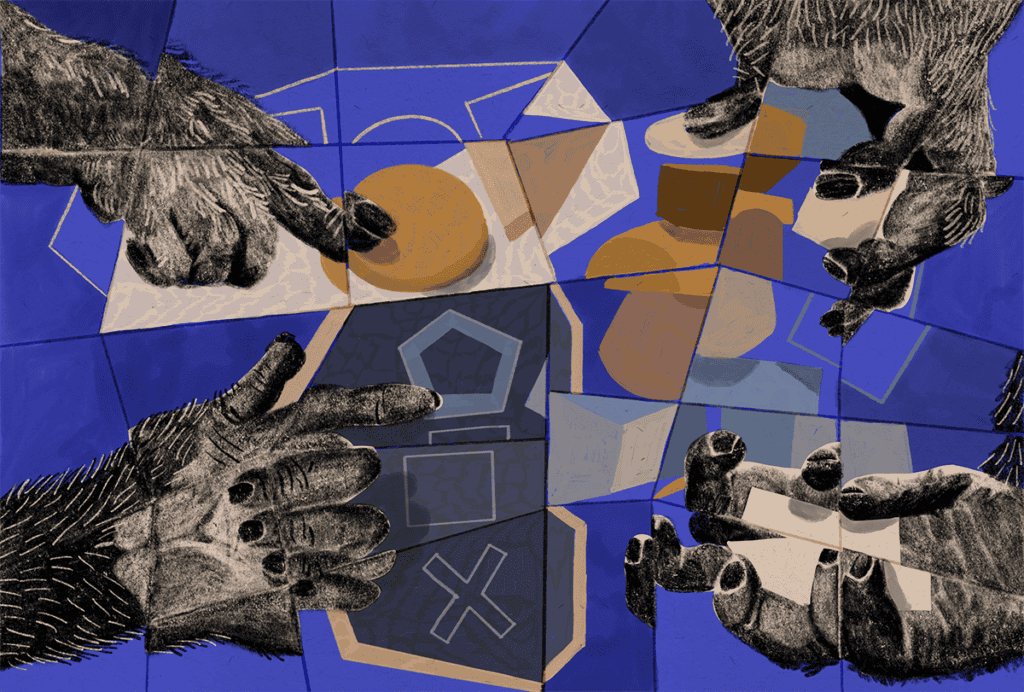
The neuroscience questions that need nonhuman primates
The Transmitter asked 17 neuroscientists what questions might remain unanswered if support for nonhuman primate research continues to decline.
The neuroscience questions that need nonhuman primates
The Transmitter asked 17 neuroscientists what questions might remain unanswered if support for nonhuman primate research continues to decline.