Industry
Recent articles
How will the field’s relationship to industry change over the next decade? Will a larger neurotechnology sector emerge?
Interactions between academic neuroscience and industry will grow, and the neurotech sector will expand, most survey respondents predict. The current funding upheaval in the United States may accelerate this trend as the field searches for new funding models.
How will the field’s relationship to industry change over the next decade? Will a larger neurotechnology sector emerge?
Interactions between academic neuroscience and industry will grow, and the neurotech sector will expand, most survey respondents predict. The current funding upheaval in the United States may accelerate this trend as the field searches for new funding models.
The state of neuroscience in 2025: An overview
The Transmitter presents a portrait of the field through four lenses: its focus, its output, its people and its funding.
The state of neuroscience in 2025: An overview
The Transmitter presents a portrait of the field through four lenses: its focus, its output, its people and its funding.
Explore more from The Transmitter
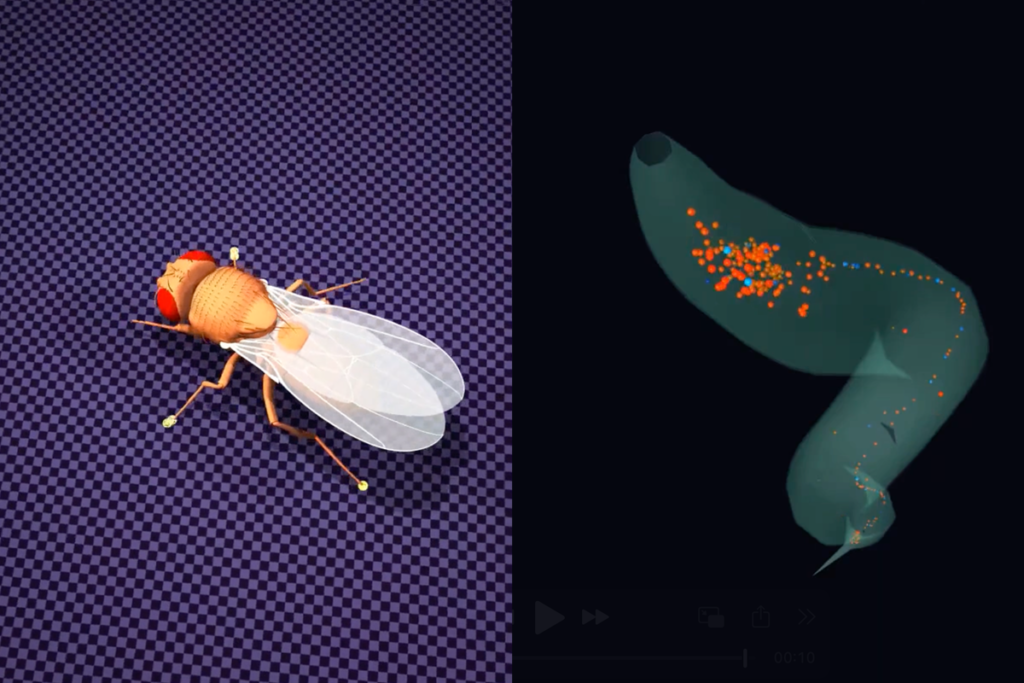
‘Digital sphinx’ raises questions about connectome models
The sphinx, with a worm’s brain and a fly’s body, illustrates the potential pitfalls of using deep-learning techniques to model biological processes.
‘Digital sphinx’ raises questions about connectome models
The sphinx, with a worm’s brain and a fly’s body, illustrates the potential pitfalls of using deep-learning techniques to model biological processes.
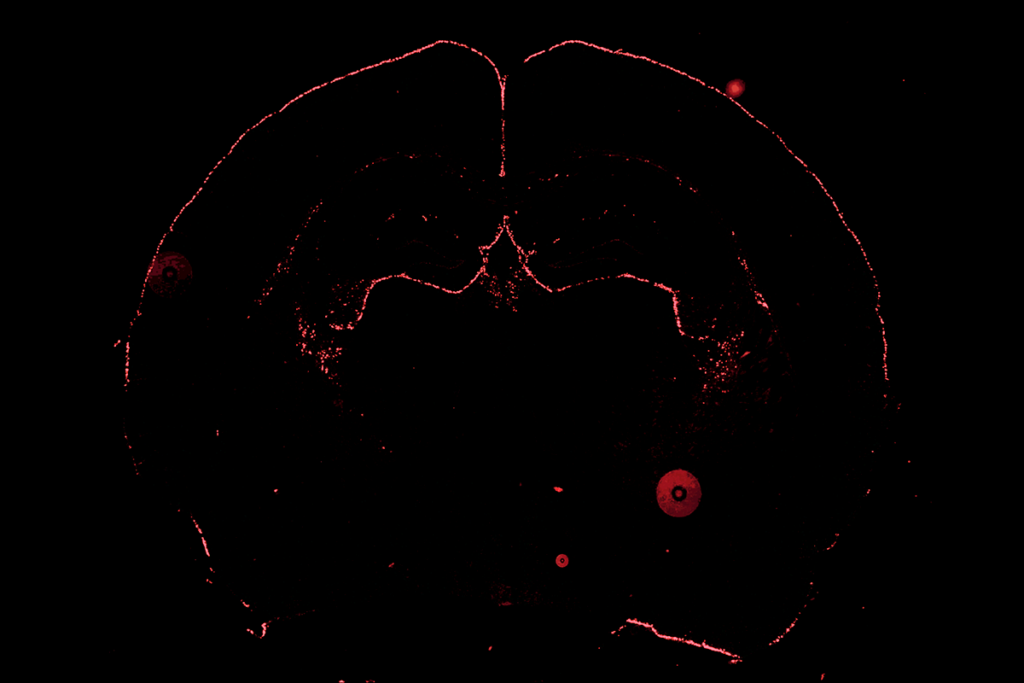
Taking a closer look at astrocytes and autism
These glial cells are increasingly linked to neurodevelopmental conditions and the regulation of social behaviors and anxiety.
Taking a closer look at astrocytes and autism
These glial cells are increasingly linked to neurodevelopmental conditions and the regulation of social behaviors and anxiety.
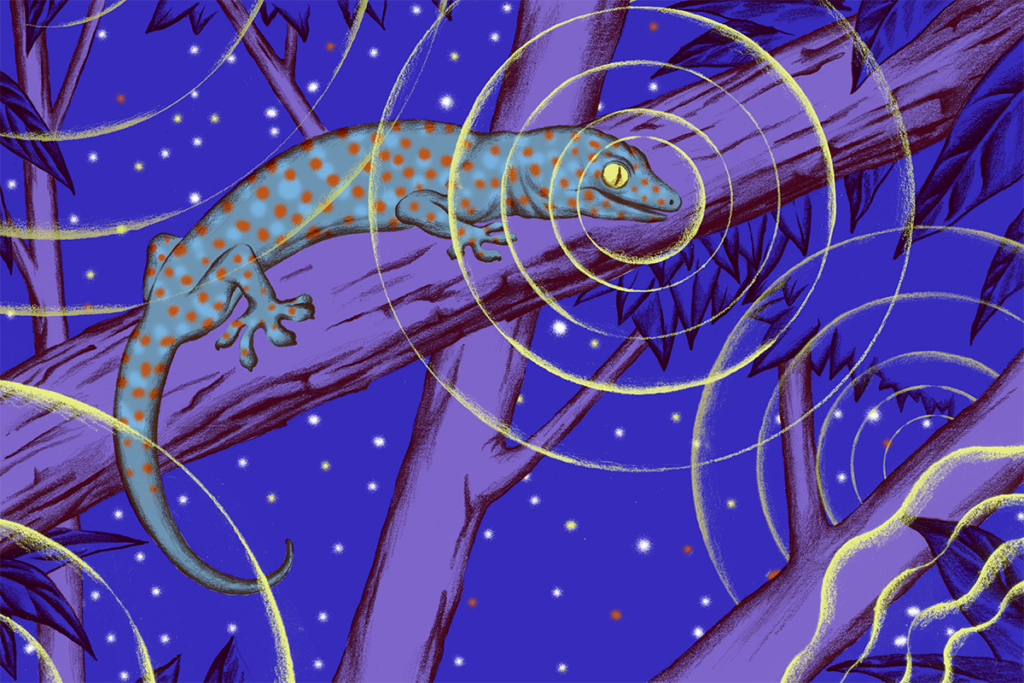
Neuro’s ark: Sounding out the evolution of hearing with geckos
Catherine Carr explains her discovery that geckos retain a vibration-sensing pathway previously thought to be lost when animals moved onto land.
Neuro’s ark: Sounding out the evolution of hearing with geckos
Catherine Carr explains her discovery that geckos retain a vibration-sensing pathway previously thought to be lost when animals moved onto land.