Neuroscience
Recent articles
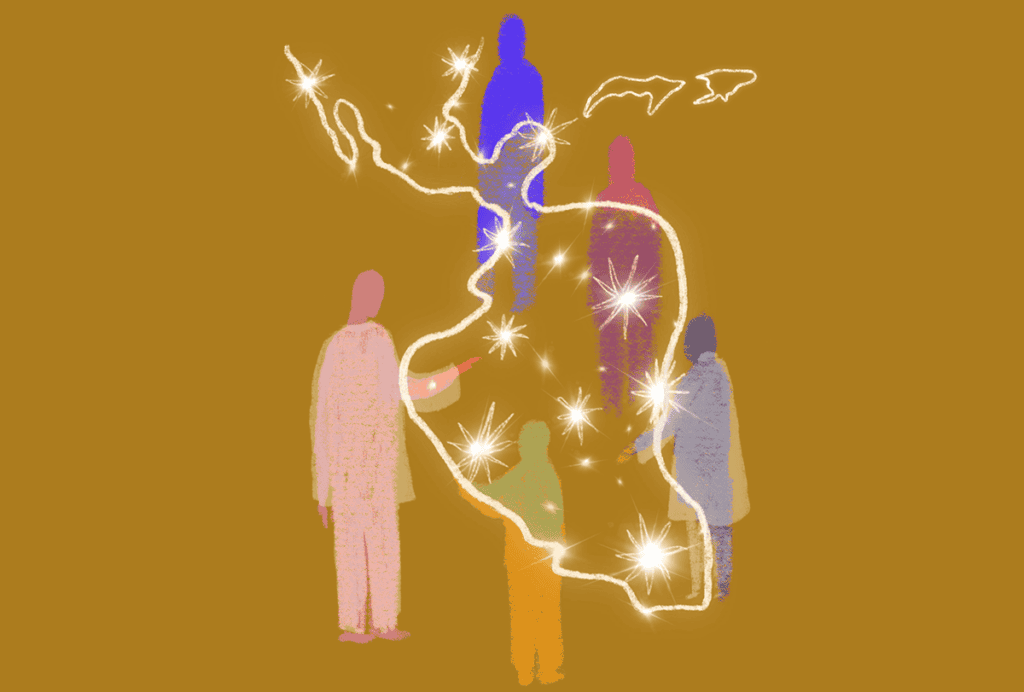
The State of Neuroscience in Latin America
Through interviews with dozens of Latin American neuroscientists, The Transmitter explores how researchers in six countries—Argentina, Brazil, Chile, Colombia, Mexico and Uruguay—conduct high-quality research in the face of numerous obstacles.
The State of Neuroscience in Latin America
Through interviews with dozens of Latin American neuroscientists, The Transmitter explores how researchers in six countries—Argentina, Brazil, Chile, Colombia, Mexico and Uruguay—conduct high-quality research in the face of numerous obstacles.
El Panorama de la Neurociencia en Latinoamérica
A través de entrevistas con decenas de neurocientíficos latinoamericanos, The Transmitter explora cómo los investigadores de seis países —Argentina, Brasil, Chile, Colombia, México y Uruguay— llevan a cabo investigaciones de alta calidad a pesar de numerosos obstáculos.
El Panorama de la Neurociencia en Latinoamérica
A través de entrevistas con decenas de neurocientíficos latinoamericanos, The Transmitter explora cómo los investigadores de seis países —Argentina, Brasil, Chile, Colombia, México y Uruguay— llevan a cabo investigaciones de alta calidad a pesar de numerosos obstáculos.
O estado da neurociência na América Latina
Por meio de entrevistas com dezenas de neurocientistas latino-americanos, a The Transmitter explora como pesquisadores de seis países — Argentina, Brasil, Chile, Colômbia, México e Uruguai — realizam pesquisas de alta qualidade diante de inúmeros obstáculos.
O estado da neurociência na América Latina
Por meio de entrevistas com dezenas de neurocientistas latino-americanos, a The Transmitter explora como pesquisadores de seis países — Argentina, Brasil, Chile, Colômbia, México e Uruguai — realizam pesquisas de alta qualidade diante de inúmeros obstáculos.
What are the fastest-growing areas in neuroscience?
Respondents pointed to computational neuroscience, systems neuroscience, neuroimmunology and neuroimaging, among other subfields.
What are the fastest-growing areas in neuroscience?
Respondents pointed to computational neuroscience, systems neuroscience, neuroimmunology and neuroimaging, among other subfields.
What should the field prioritize over the next 10 years?
Respondents pointed to a range of challenges in basic neuroscience—such as understanding naturalistic behaviors, intelligence and embodied cognition—and called for more circuit-level research, more precise brain recordings and more work in alternative models. Just as many pushed for a translational pivot.
What should the field prioritize over the next 10 years?
Respondents pointed to a range of challenges in basic neuroscience—such as understanding naturalistic behaviors, intelligence and embodied cognition—and called for more circuit-level research, more precise brain recordings and more work in alternative models. Just as many pushed for a translational pivot.
The state of neuroscience in 2025: An overview
The Transmitter presents a portrait of the field through four lenses: its focus, its output, its people and its funding.
The state of neuroscience in 2025: An overview
The Transmitter presents a portrait of the field through four lenses: its focus, its output, its people and its funding.
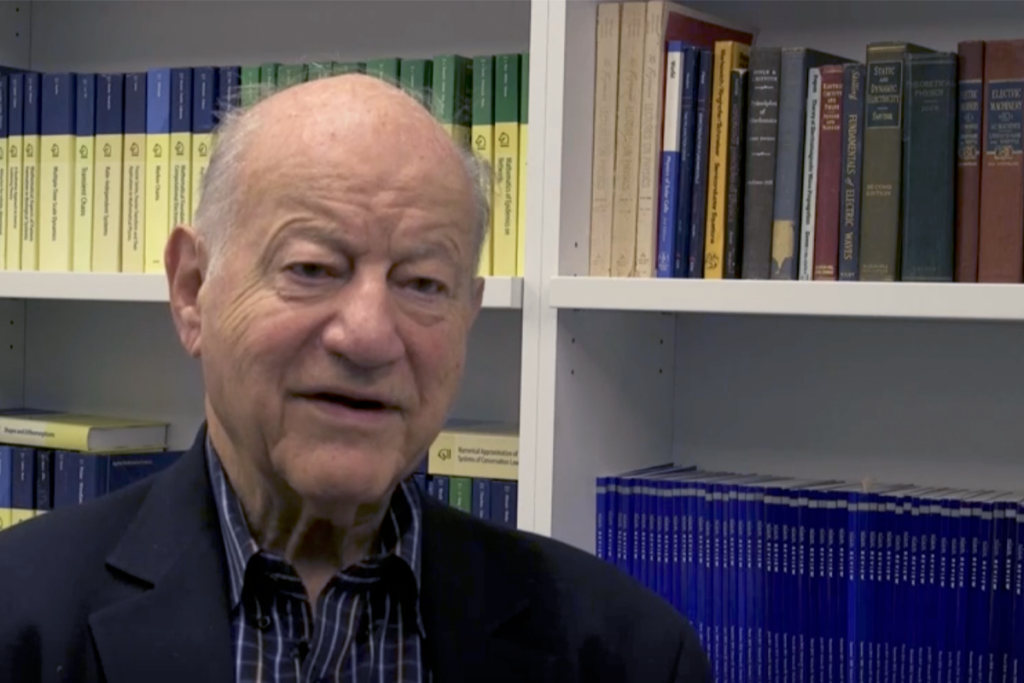
Neuroscientist Gerry Fischbach, in his own words
In 2023, I had the privilege of sitting down with Gerry over the course of several days and listening as he told the story of his life and career—including stints as dean or director of such leading institutions as Columbia University and NINDS—so that we could record it for posterity.
Neuroscientist Gerry Fischbach, in his own words
In 2023, I had the privilege of sitting down with Gerry over the course of several days and listening as he told the story of his life and career—including stints as dean or director of such leading institutions as Columbia University and NINDS—so that we could record it for posterity.
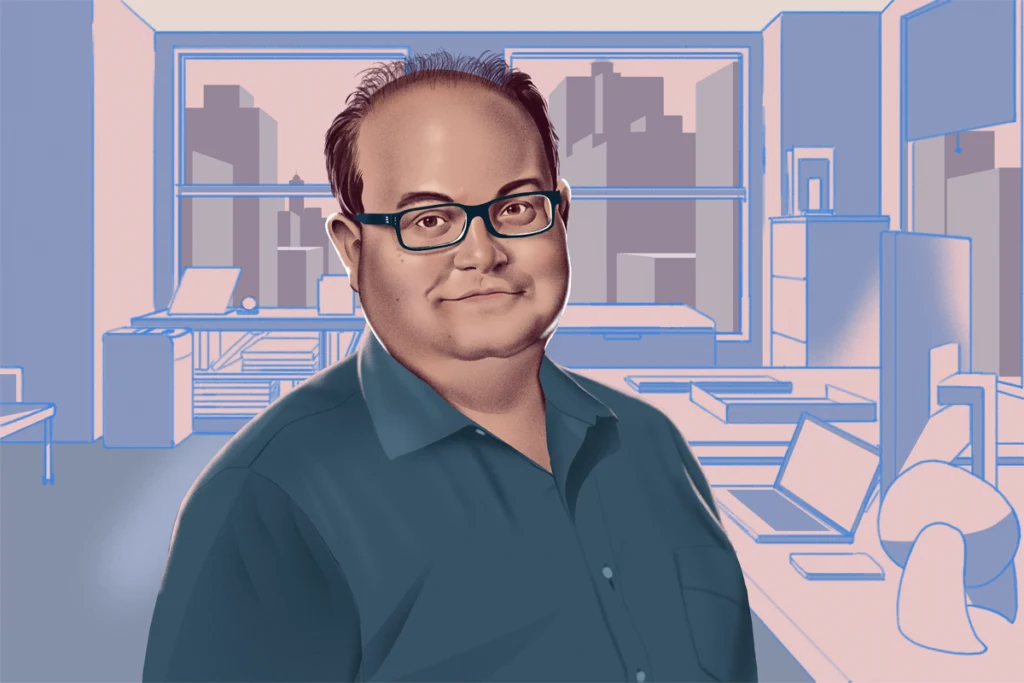
Happy 1st Birthday, The Transmitter!
It takes a village to build something beautiful—and useful.
Happy 1st Birthday, The Transmitter!
It takes a village to build something beautiful—and useful.

Consciously smelling—an edited excerpt from ‘Stinking Philosophy! Smell Perception, Cognition, and Consciousness’
In his new book, published earlier this month, Benjamin Young tackles the debates and central questions surrounding olfactory perception, cognition and consciousness.
Consciously smelling—an edited excerpt from ‘Stinking Philosophy! Smell Perception, Cognition, and Consciousness’
In his new book, published earlier this month, Benjamin Young tackles the debates and central questions surrounding olfactory perception, cognition and consciousness.
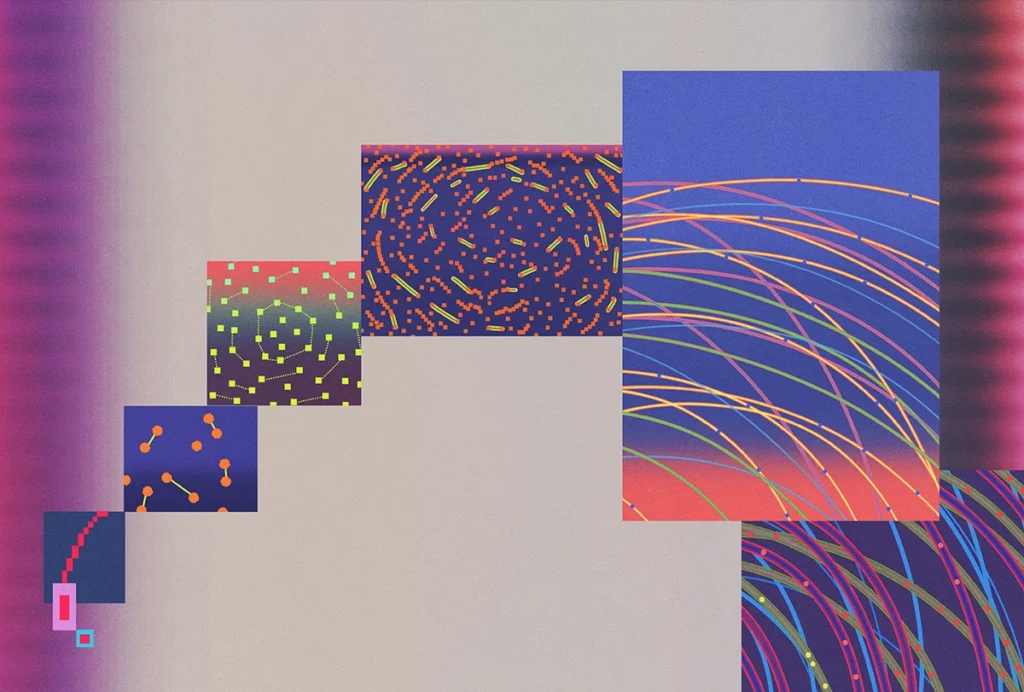
Can an emerging field called ‘neural systems understanding’ explain the brain?
This mashup of neuroscience, artificial intelligence and even linguistics and philosophy of mind aims to crack the deep question of what "understanding" is, however un-brain-like its models may be.
Can an emerging field called ‘neural systems understanding’ explain the brain?
This mashup of neuroscience, artificial intelligence and even linguistics and philosophy of mind aims to crack the deep question of what "understanding" is, however un-brain-like its models may be.
Explore more from The Transmitter

Prevalence of profound autism declines with new definition
The updated, more precise definition used in a CDC study includes adaptive scores.
Prevalence of profound autism declines with new definition
The updated, more precise definition used in a CDC study includes adaptive scores.
Is it time for neuroscience to shift its focus from a computational mind to a navigating mind?
Andrea Hiott explains her navigational approach to the mind, and why now is the time to embrace seemingly paradoxical findings in neuroscience.
Is it time for neuroscience to shift its focus from a computational mind to a navigating mind?
Andrea Hiott explains her navigational approach to the mind, and why now is the time to embrace seemingly paradoxical findings in neuroscience.
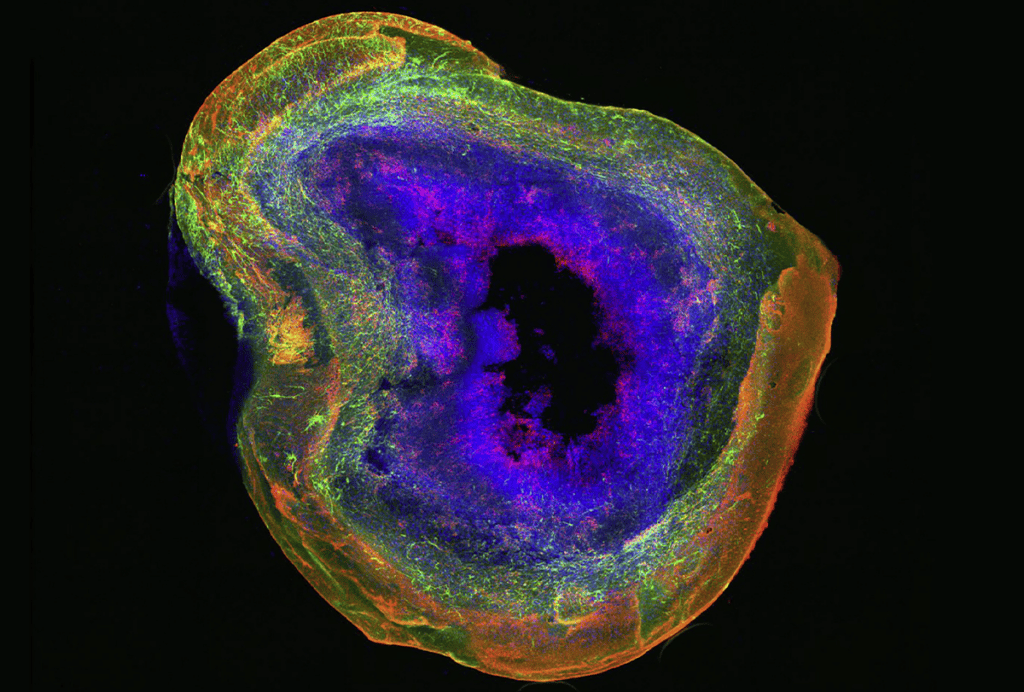
Human brain organoids come of age—but still have room to grow
The U.S. government has touted organoids as an alternative to animals for studying the brain. The model has improved since its debut in 2013, but scientists are still working to overcome key limitations: immaturity, consistency and the lack of vascularization.
Human brain organoids come of age—but still have room to grow
The U.S. government has touted organoids as an alternative to animals for studying the brain. The model has improved since its debut in 2013, but scientists are still working to overcome key limitations: immaturity, consistency and the lack of vascularization.