subtypes
Recent articles
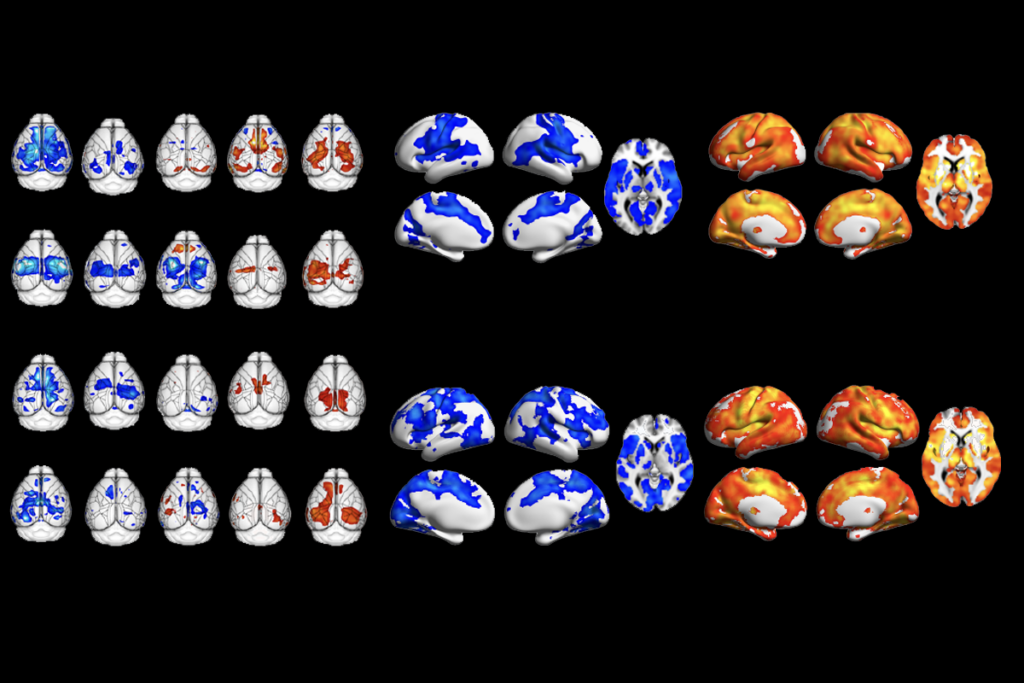
Too much or too little brain synchrony may underlie autism subtypes
Functional connectivity differences in autism mouse models point to two subtypes that correspond to patterns seen in some people with the condition.
Too much or too little brain synchrony may underlie autism subtypes
Functional connectivity differences in autism mouse models point to two subtypes that correspond to patterns seen in some people with the condition.
Explore more from The Transmitter

INSAR takes ‘intentional break’ from annual summer webinar series
The International Society for Autism Research cited a need to “thoughtfully reimagine” its popular online program before resuming it in 2026.
INSAR takes ‘intentional break’ from annual summer webinar series
The International Society for Autism Research cited a need to “thoughtfully reimagine” its popular online program before resuming it in 2026.
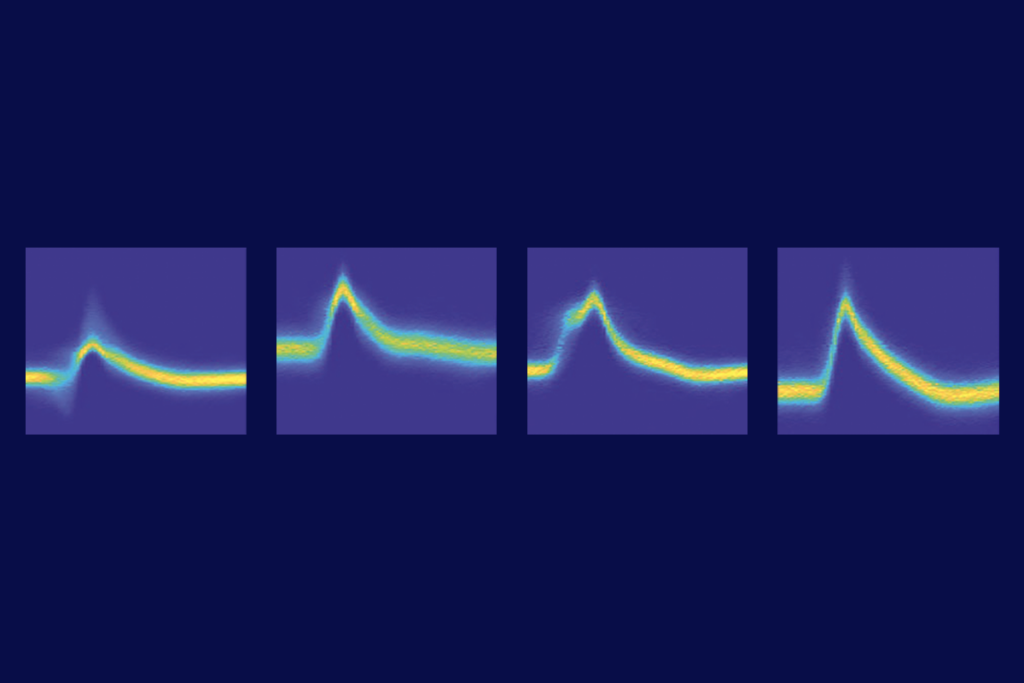
Null and Noteworthy: Neurons tracking sequences don’t fire in order
Instead, neurons encode the position of sequential items in working memory based on when they fire during ongoing brain wave oscillations—a finding that challenges a long-standing theory.
Null and Noteworthy: Neurons tracking sequences don’t fire in order
Instead, neurons encode the position of sequential items in working memory based on when they fire during ongoing brain wave oscillations—a finding that challenges a long-standing theory.
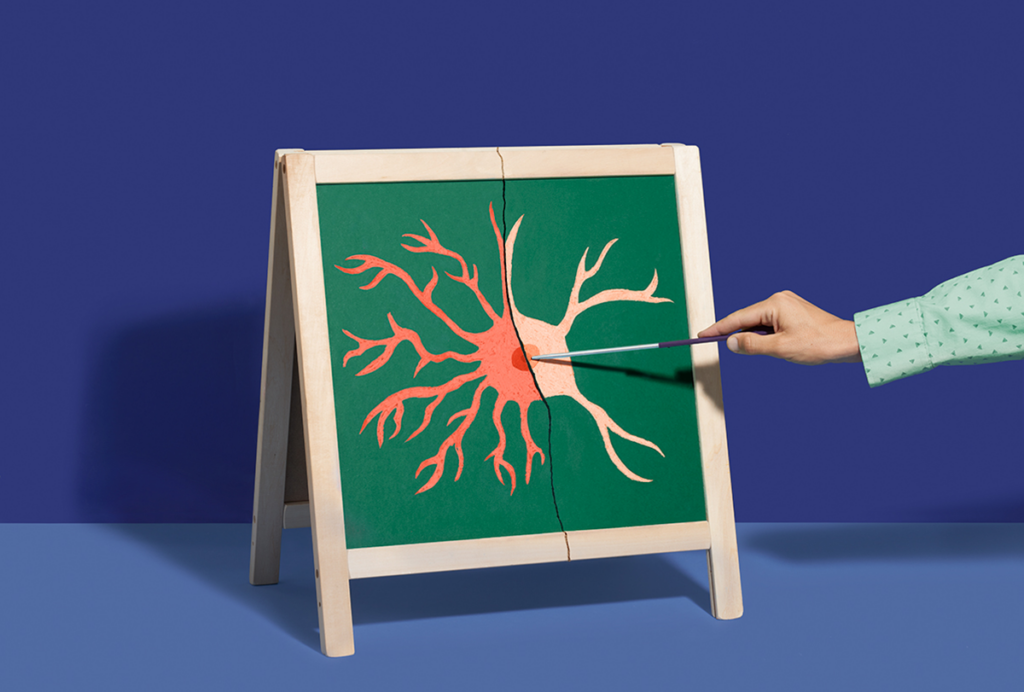
How to teach this paper: ‘Neurotoxic reactive astrocytes are induced by activated microglia,’ by Liddelow et al. (2017)
Shane Liddelow and his collaborators identified the factors that transform astrocytes from their helpful to harmful form. Their work is a great choice if you want to teach students about glial cell types, cell culture, gene expression or protein measurement.
How to teach this paper: ‘Neurotoxic reactive astrocytes are induced by activated microglia,’ by Liddelow et al. (2017)
Shane Liddelow and his collaborators identified the factors that transform astrocytes from their helpful to harmful form. Their work is a great choice if you want to teach students about glial cell types, cell culture, gene expression or protein measurement.